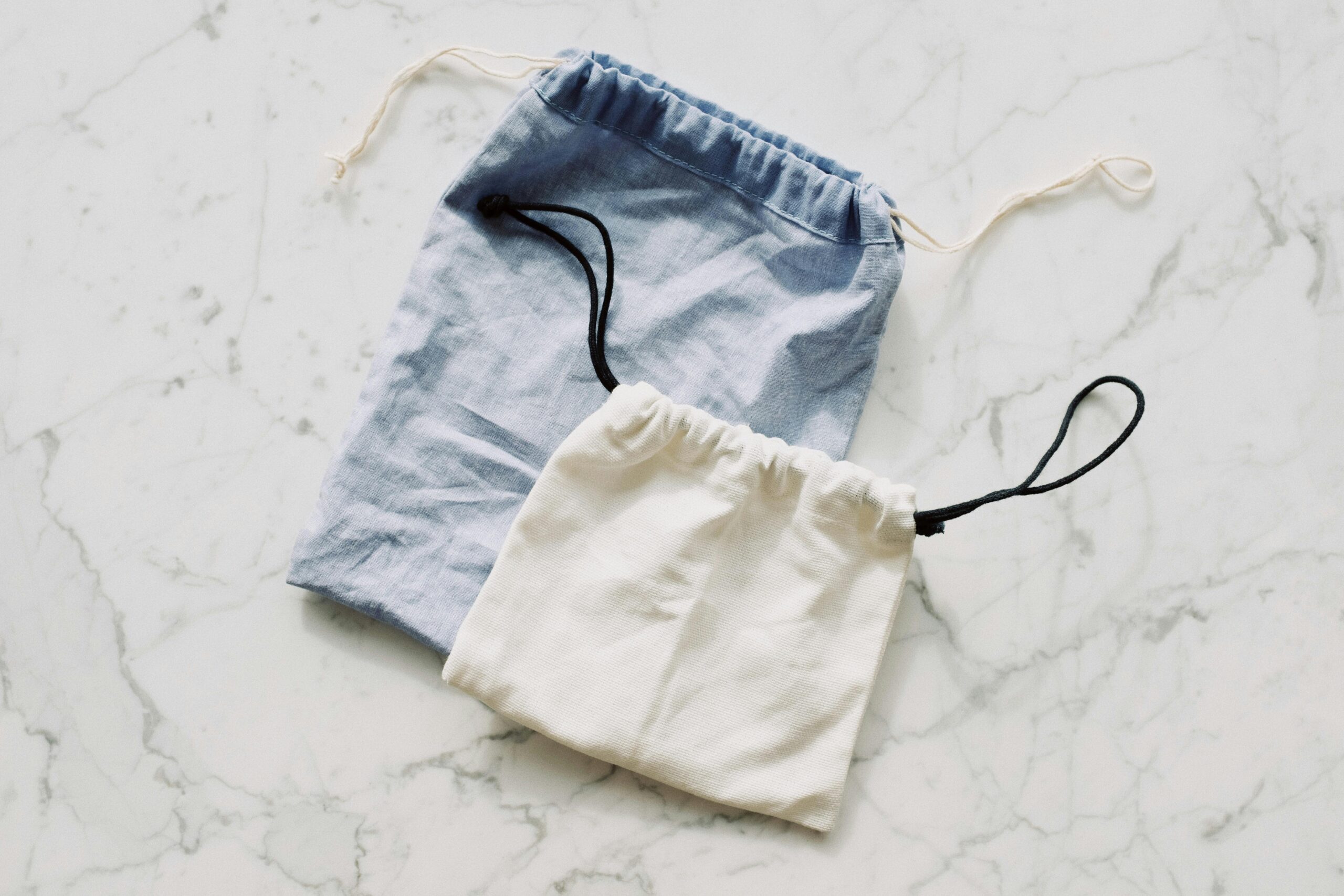
Creating a beautiful home that honors both style and the planet is no longer a distant dream. Eco-chic living merges aesthetic appeal with environmental consciousness, proving sustainability can be glamorous.

Modern homeowners are increasingly seeking ways to reduce their environmental footprint without sacrificing design sophistication. The intersection of sustainable practices and stylish interiors represents a growing movement that challenges the misconception that eco-friendly means boring or compromised. This comprehensive guide will walk you through transforming your living space into a stunning sanctuary that reflects your values while minimizing environmental impact.
🌿 Understanding the Foundation of Eco-Chic Philosophy
Eco-chic living represents more than just a decorating trend—it’s a lifestyle commitment that considers the entire lifecycle of products in your home. This approach evaluates materials from sourcing through manufacturing, transportation, use, and eventual disposal or recycling. The philosophy encourages mindful consumption, prioritizing quality over quantity and longevity over temporary trends.
The sustainable home decor movement gained momentum as consumers became more aware of how interior design choices impact carbon footprints, waste generation, and resource depletion. Today’s eco-conscious decorators recognize that beautiful spaces can emerge from reclaimed wood, organic textiles, and locally-sourced materials that tell authentic stories while protecting planetary resources.
Starting Your Sustainable Design Journey: Key Principles
Before diving into specific products and projects, establishing core principles will guide your eco-chic transformation. These foundational concepts help maintain consistency throughout your design process while ensuring genuine environmental benefits rather than greenwashed alternatives.
Prioritize Natural and Renewable Materials
Natural materials form the backbone of sustainable interior design. Bamboo, cork, reclaimed wood, organic cotton, linen, hemp, and jute offer renewable alternatives to synthetic options. These materials typically require less energy to produce, biodegrade naturally, and often improve indoor air quality by avoiding off-gassing chemicals common in conventional furnishings.
When selecting natural materials, verify their certifications and sourcing practices. FSC-certified wood ensures responsible forest management, while GOTS-certified organic textiles guarantee environmentally and socially responsible production. These certifications provide assurance that your beautiful pieces genuinely support sustainability rather than simply appearing natural.
Embrace Secondhand and Vintage Treasures
The most sustainable product is often the one already manufactured. Vintage and secondhand furniture eliminates the environmental costs of new production while adding unique character impossible to replicate with mass-produced items. Thrift stores, estate sales, online marketplaces, and architectural salvage yards offer treasure troves of distinctive pieces waiting for new life.
Mixing vintage finds with contemporary elements creates layered, collected-over-time aesthetics that feel more personal than catalog-perfect rooms. A mid-century modern credenza, restored Victorian mirror, or industrial factory cart brings history and craftsmanship that elevates any space beyond cookie-cutter design.
🎨 Color Palettes That Connect with Nature
Eco-chic color schemes draw inspiration directly from natural environments, creating harmonious spaces that feel inherently calming and grounded. Earth tones, botanical greens, ocean blues, and neutral shades reminiscent of sand, stone, and clay form the foundation of sustainable design aesthetics.
When selecting paints, choose low-VOC or zero-VOC formulations that eliminate harmful volatile organic compounds. Many eco-friendly paint brands now offer extensive color ranges rivaling conventional options, proving environmental responsibility doesn’t limit creative expression. Natural pigments and mineral-based paints provide additional alternatives with minimal environmental impact.
Texture plays an equally important role in eco-chic palettes. Natural materials inherently provide visual interest through their organic variations—wood grain patterns, linen weaves, stone striations, and woven textures add depth without requiring bold colors or synthetic finishes.
Furniture Selection: Investing in Quality and Longevity
Sustainable furniture choices consider durability, repairability, and timeless design. Fast furniture—the interior design equivalent of fast fashion—contributes significantly to landfill waste as cheaply constructed pieces break quickly and fall out of style. Investment pieces crafted from quality materials by skilled artisans provide long-term value both economically and environmentally.
Materials That Matter
Solid wood furniture constructed with traditional joinery techniques can last generations with proper care. Look for pieces made from sustainably harvested hardwoods like oak, maple, or walnut rather than particleboard or MDF, which rely on formaldehyde-based adhesives and have limited lifespans.
Metal furniture offers exceptional durability and complete recyclability. Steel, aluminum, and iron pieces withstand decades of use, and when their design life eventually ends, they can be melted down and reformed without quality degradation. Powder-coated finishes provide chemical-free color options superior to traditional paints.
Upholstered furniture requires careful material selection. Natural latex foam, organic cotton batting, and sustainably sourced down provide comfortable, non-toxic cushioning. Fabric choices should emphasize natural fibers like organic cotton, linen, wool, or innovative materials like Tencel made from sustainably harvested wood pulp.
Modular and Adaptable Design
Furniture that adapts to changing needs extends usability and reduces replacement frequency. Modular sofas reconfigure for different spaces, expandable dining tables accommodate varying guest counts, and convertible pieces serve multiple functions. This flexibility proves particularly valuable as life circumstances evolve—growing families, downsizing, or room repurposing.
🌱 Bringing Nature Indoors: Biophilic Design Elements
Biophilic design integrates natural elements into interiors, satisfying innate human connections to nature while improving air quality and mental wellbeing. This approach extends beyond simply adding houseplants, though greenery certainly plays an important role in sustainable, healthy homes.
Living walls and vertical gardens make dramatic statements while maximizing oxygen production in limited square footage. Smaller spaces benefit from clustering plants at varying heights, creating lush corners that soften hard architectural lines. Select low-maintenance varieties suited to your lighting conditions—pothos, snake plants, and ZZ plants thrive in lower light, while succulents and cacti prefer bright exposures.
Natural light maximization reduces artificial lighting needs while supporting circadian rhythms and mood. Sheer organic cotton or linen curtains provide privacy while allowing sunlight penetration. Strategic mirror placement amplifies available light, making spaces feel larger and brighter without electrical consumption.
Water features, natural wood elements, stone accents, and nature-inspired artwork reinforce biophilic connections. Even representations of nature—botanical prints, landscape photography, or abstract pieces evoking natural forms—provide psychological benefits associated with outdoor environments.
Textiles and Soft Furnishings: Comfort Meets Consciousness
Textiles significantly impact both room aesthetics and environmental footprints. Conventional cotton production consumes enormous water quantities and relies heavily on pesticides, while synthetic fabrics shed microplastics with every wash. Eco-chic alternatives provide beauty without these environmental costs.
Sustainable Fabric Choices
Organic cotton eliminates pesticides and often uses less water through efficient farming practices. Linen made from flax requires minimal irrigation and pesticides while producing naturally beautiful, durable fabric perfect for curtains, upholstery, and bedding. Hemp grows rapidly without chemicals, creates exceptionally strong fibers, and improves soil health.
Innovative materials expand sustainable options beyond traditional natural fibers. Recycled polyester diverts plastic bottles from landfills while providing performance characteristics useful for outdoor cushions. Lyocell and modal fabrics derived from sustainably harvested wood pulp offer silky textures and excellent drape for elegant curtains and throws.
Wool provides renewable, biodegradable warmth with natural stain resistance and fire retardancy. Ethically sourced wool from farms prioritizing animal welfare ensures your cozy throws and area rugs support humane practices alongside environmental responsibility.
Layering for Visual Interest
Textile layering creates depth and coziness while allowing seasonal rotation that extends product life. Summer months might feature lightweight linen throws and cotton cushions, while winter brings wool blankets and heavier textures. This rotation prevents excessive wear on any single piece while refreshing room aesthetics without purchasing entirely new items.
⚡ Energy-Efficient Lighting Design
Lighting dramatically affects both ambiance and energy consumption. Eco-chic lighting strategies combine LED technology with thoughtful fixture selection, creating beautiful illumination that minimizes electrical demand and bulb replacement waste.
LED bulbs consume 75% less energy than incandescent alternatives while lasting 25 times longer. Modern LEDs offer warm color temperatures indistinguishable from traditional bulbs, eliminating the cold, harsh light that initially gave LED technology a bad reputation. Dimmable options provide flexibility for different activities and moods.
Fixture materials matter as much as bulb technology. Reclaimed wood pendant lights, recycled glass sconces, and metal fixtures with powder-coated finishes provide sustainable alternatives to plastic-heavy conventional lighting. Artisan-crafted pieces from local makers reduce transportation emissions while supporting community economies.
Layered lighting plans combining ambient, task, and accent sources improve functionality while allowing lower overall light levels. Table lamps for reading areas, under-cabinet lighting for kitchen tasks, and adjustable track lighting for artwork create purposeful illumination exactly where needed rather than over-lighting entire rooms.
🛠️ DIY Projects: Personalizing Your Sustainable Space
Do-it-yourself projects inject personality while maximizing sustainability by repurposing existing items and avoiding new purchases. These creative endeavors range from simple afternoon projects to ambitious weekend undertakings, each offering opportunities to customize your space while developing new skills.
Upcycling Furniture Transformations
Tired furniture gains new life through creative refinishing. Sanding and applying natural oils rejuvenates wood pieces, while chalk paint provides matte finishes in trendy colors without intensive prep work. Reupholstering chairs with sustainable fabrics completely transforms their appearance while maintaining quality frames that might otherwise reach landfills.
Architectural salvage becomes functional art with imagination—vintage doors convert into headboards or tabletops, reclaimed wood creates floating shelves, and old windows frame mirrors or artwork. These projects preserve materials while creating conversation pieces impossible to purchase retail.
Handmade Textile Projects
Sewing custom pillow covers from vintage fabrics or remnant pieces allows perfect color coordination while using existing materials. Macramé plant hangers crafted from organic cotton rope add bohemian charm with minimal environmental impact. Even non-sewers can create no-sew window treatments, blanket ladders, or fabric wall hangings with basic supplies and online tutorials.
Minimalist Approaches: Less Truly Becomes More
Minimalism and sustainability naturally align—reduced consumption, thoughtful curation, and quality prioritization characterize both philosophies. Eco-chic spaces embrace breathing room, allowing fewer carefully selected pieces to shine rather than overwhelming rooms with excessive accessories.
This approach doesn’t demand stark, cold interiors. Instead, minimalism in eco-chic contexts means purposeful selection where each item serves functional or aesthetic roles worth the resources required for its production. Empty surfaces, clear sightlines, and uncluttered storage create calm environments that showcase your favorite sustainable pieces.
The editing process itself proves sustainable—before adding anything new, evaluate existing possessions for items no longer serving your needs. Donate functional pieces to extend their usefulness, recycle materials appropriately, and compost truly worn textiles when possible. This circulation keeps quality items in use while preventing unnecessary new purchases.
🌍 Supporting Ethical and Local Artisans
Purchasing decisions represent powerful votes for the practices you wish to support. Choosing products from ethical manufacturers, fair-trade cooperatives, and local artisans ensures your money supports sustainable business practices, fair wages, and skilled craftsmanship.
Local makers offer multiple advantages—reduced transportation emissions, opportunities to verify production methods firsthand, and support for community economies. Farmers markets, craft fairs, and artisan cooperatives provide direct connections to creators, often allowing custom orders that perfectly suit your needs without mass production waste.
Fair-trade certifications guarantee producers receive fair compensation and work under safe conditions. These products, particularly textiles, baskets, and ceramics from developing nations, support traditional skills while providing economic opportunities that might otherwise disappear under pressure from cheaper, exploitative alternatives.
Maintaining Your Eco-Chic Home
Sustainable living extends beyond initial purchases to ongoing maintenance practices. Natural cleaning products protect indoor air quality while preventing harsh chemicals from entering water systems. Vinegar, baking soda, castile soap, and essential oils handle most household cleaning needs effectively and inexpensively.
Furniture care using natural oils and waxes maintains wood beauty while avoiding synthetic polishes containing petroleum derivatives and artificial fragrances. Proper care extends product life dramatically—conditioning leather, treating wood, rotating cushions, and promptly addressing minor repairs prevents small issues from becoming disposal-worthy problems.
Seasonal deep cleaning provides opportunities to reassess your space. Are all items still serving purposes? Does anything need repair? Could rearranging refresh the space without new purchases? This regular evaluation maintains the intentionality central to eco-chic living.
Budget-Friendly Sustainable Decorating Strategies
Eco-chic living doesn’t require unlimited funds. Many sustainable choices actually reduce long-term costs through durability, energy efficiency, and reduced replacement frequency. Strategic planning maximizes impact while respecting budget constraints.
Prioritize investments in frequently used items where quality matters most—mattresses, sofas, dining tables. These pieces justify higher initial costs through years of daily use. Supplement investment pieces with budget-friendly secondhand finds, DIY projects, and natural elements like branches, stones, and found objects that cost nothing but imagination.
Patience proves valuable in sustainable decorating. Rather than purchasing complete room sets immediately, gradually acquire quality pieces as budget allows. This approach actually creates more interesting, collected aesthetics than instant room transformations while spreading costs over time.
Creating Timeless Style That Transcends Trends
The most sustainable design choices remain beautiful across decades rather than dating quickly. Classic silhouettes, neutral foundations, and quality materials create enduring appeal that doesn’t require frequent updates to feel current. Timeless doesn’t mean boring—strong architectural elements, interesting textures, and carefully chosen statement pieces provide personality without trend dependence.
Small, easily changed elements introduce current influences without committing entire rooms to fleeting trends. Pillow covers, artwork, plants, and accessories can reflect seasonal interests while foundational pieces maintain consistency. This approach satisfies desires for freshness and change without the waste and expense of frequent major overhauls.
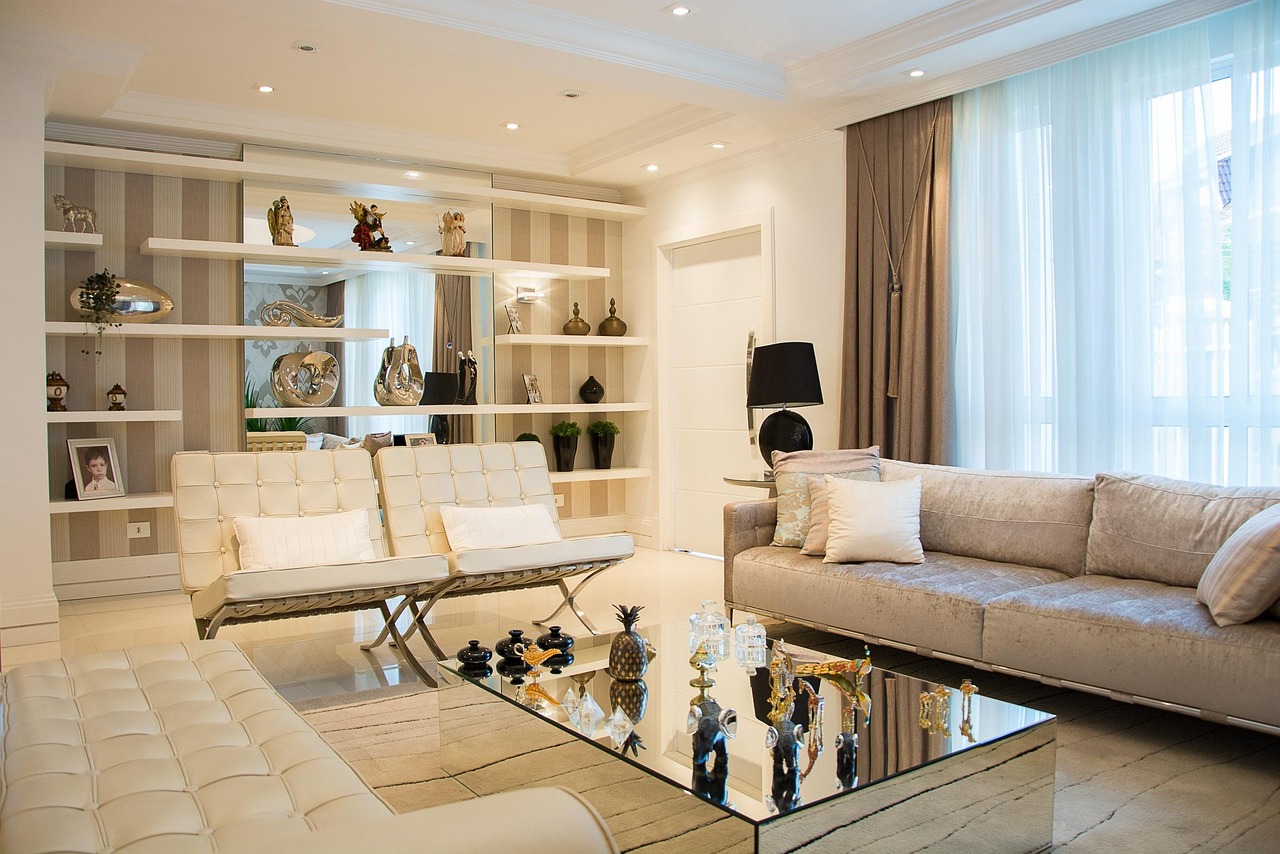
🌟 Your Personal Eco-Chic Journey
Transforming your home into an eco-chic sanctuary happens gradually through intentional choices aligned with your values. Each sustainable decision contributes to healthier indoor environments, reduced environmental impact, and spaces reflecting your authentic aesthetic. The journey itself—researching options, discovering artisans, completing DIY projects, and hunting vintage treasures—often proves as rewarding as the finished results.
Start with single rooms or even corners, building confidence and understanding before tackling entire homes. Celebrate progress rather than pursuing perfection. Every sustainable choice matters, and your increasingly eco-chic home will inspire others while proving that environmental responsibility and beautiful design are not just compatible but inseparable in creating truly exceptional living spaces.