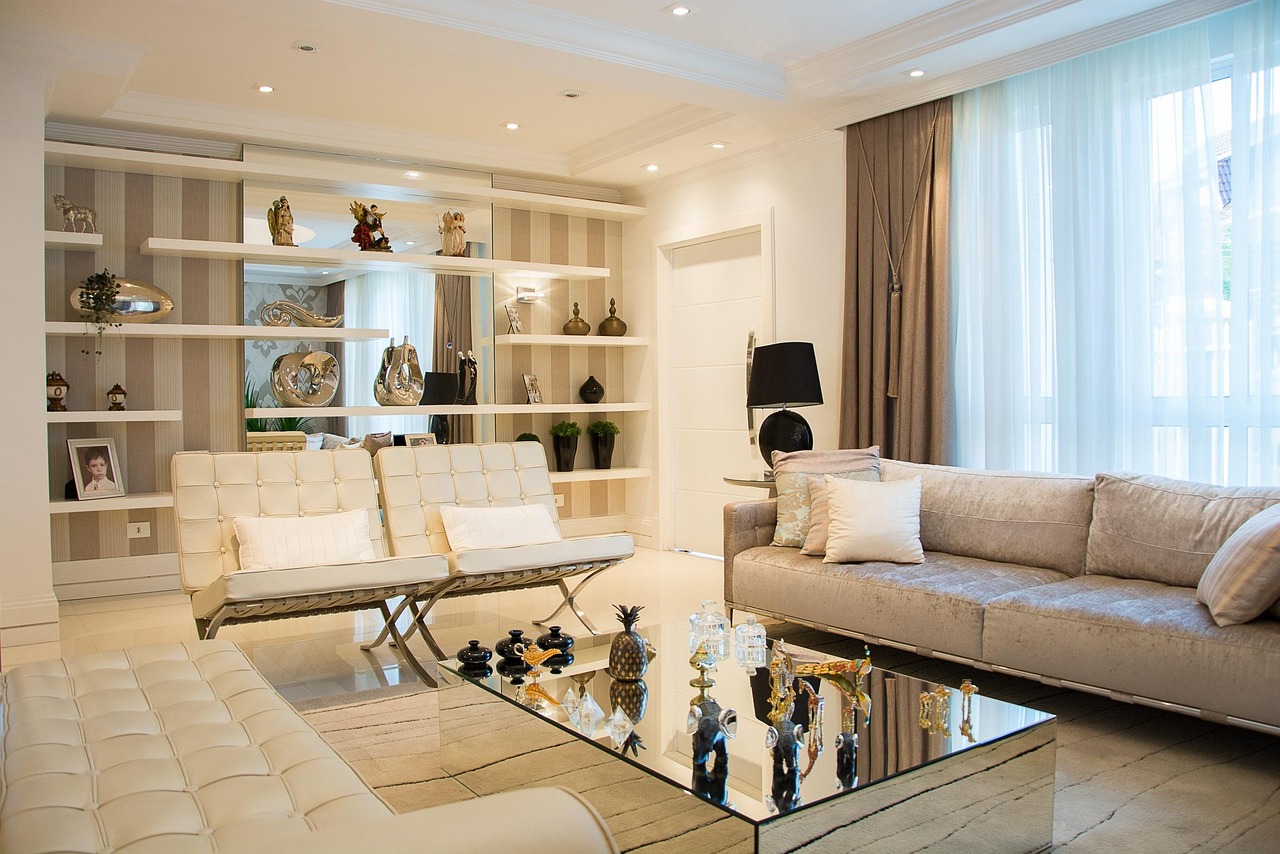
Creating a beautiful home doesn’t mean compromising the planet. Sustainable décor materials offer elegant solutions that transform your living spaces while honoring environmental responsibility and personal well-being.

The modern homeowner faces an exciting challenge: designing interiors that reflect personal style while making conscious choices for our planet’s future. Sustainable décor represents more than a passing trend—it embodies a fundamental shift in how we approach interior design. By choosing eco-friendly materials, you’re investing in quality pieces that tell meaningful stories, support ethical practices, and create healthier indoor environments for your family.
🌿 Understanding Sustainable Décor Materials
Sustainable décor materials are resources harvested, manufactured, or repurposed with minimal environmental impact. These materials prioritize renewable sources, ethical production methods, and long-term durability over disposable fast-furniture trends. The beauty of sustainable design lies in its versatility—from reclaimed wood to organic textiles, these materials offer aesthetic richness that synthetic alternatives simply cannot match.
When evaluating whether a material qualifies as truly sustainable, consider its entire lifecycle. This includes extraction or harvesting methods, manufacturing processes, transportation distances, longevity, and eventual disposal or recyclability. Authentic eco-friendly materials excel across multiple categories, offering transparent sourcing information and third-party certifications that verify environmental claims.
Reclaimed and Recycled Wood: Character with Conscience
Reclaimed wood stands as one of the most popular sustainable décor materials, and for good reason. Salvaged from old barns, factories, wine barrels, and deconstructed buildings, this material carries unique character marks—nail holes, saw marks, and weathering patterns—that give each piece distinctive personality. Beyond aesthetic appeal, choosing reclaimed wood prevents deforestation and diverts usable materials from landfills.
The structural integrity of reclaimed wood often surpasses newly harvested timber. Old-growth forests produced denser, more durable wood than today’s fast-growing plantation trees. This superior quality translates to furniture and architectural elements that withstand decades of use while developing richer patinas over time.
Incorporating Reclaimed Wood in Your Space
Reclaimed wood adapts beautifully to various design applications. Consider accent walls that create dramatic focal points, floating shelves that blend function with artistry, or statement furniture pieces like dining tables and headboards. The wood’s natural variations pair wonderfully with both rustic farmhouse aesthetics and sleek contemporary designs, proving sustainable materials never limit creative expression.
When sourcing reclaimed wood, verify the supplier’s practices to ensure authentic salvaged materials rather than artificially distressed new wood marketed as “reclaimed.” Reputable dealers provide provenance information and properly treat wood to eliminate pests while preserving character.
Bamboo: The Fast-Growing Design Powerhouse 🎋
Bamboo revolutionizes sustainable design as one of nature’s most renewable resources. Technically a grass rather than wood, bamboo reaches maturity in just three to five years compared to hardwoods requiring 25-70 years. This rapid growth rate, combined with bamboo’s ability to regenerate from its root system without replanting, makes it exceptionally eco-friendly.
The material’s strength rivals steel in tensile strength while remaining surprisingly lightweight. Modern manufacturing techniques transform bamboo into flooring, furniture, textiles, and decorative accessories that showcase warm honey tones and subtle grain patterns. Bamboo’s natural antimicrobial properties also contribute to healthier indoor air quality.
Bamboo Applications Throughout Your Home
Bamboo flooring offers durability comparable to traditional hardwoods with easier maintenance and moisture resistance. In kitchens and bathrooms, bamboo cabinetry and countertops withstand humidity while adding organic warmth. Smaller accents like bamboo blinds, lighting fixtures, and organizers introduce sustainable elements without major renovations.
When selecting bamboo products, prioritize those certified by the Forest Stewardship Council (FSC) or using formaldehyde-free adhesives, as some manufacturing processes compromise bamboo’s natural sustainability through chemical treatments.
Cork: Versatile Texture from Renewable Bark
Cork delivers unexpected elegance while ranking among the most sustainable materials available. Harvested from the bark of cork oak trees without harming the tree itself, cork regenerates completely within nine years. This renewable harvest cycle means cork oak forests actually benefit from commercial production, providing protected habitats for endangered species while sequestering carbon dioxide.
The material’s cellular structure creates natural insulation, sound absorption, and cushioning properties. Cork feels warm underfoot, reduces noise transmission between rooms, and provides subtle textural interest that adds depth to minimalist and maximalist designs alike.
Creative Cork Applications
Beyond traditional wine stoppers and bulletin boards, contemporary cork products include flooring tiles, wall panels, furniture upholstery, and decorative accessories. Cork’s natural color variations range from light tan to rich chocolate, with manufacturers offering additional finishes that enhance durability without toxic chemicals.
Cork flooring particularly suits households with children or pets, as its resilient surface withstands impacts while providing comfortable standing surfaces. The material’s hypoallergenic and antimicrobial properties make it ideal for individuals with sensitivities to traditional flooring materials.
🌾 Natural Fiber Textiles: Organic Comfort and Style
Textile choices significantly impact both interior aesthetics and environmental footprints. Conventional cotton production consumes enormous water quantities and relies heavily on pesticides, while synthetic fabrics shed microplastics into waterways. Natural fiber alternatives offer sustainable luxury without these environmental costs.
Organic cotton, linen, hemp, and wool represent time-tested textiles experiencing renewed appreciation. These materials breathe naturally, regulate temperature, and develop softer textures with age rather than deteriorating. Their cultivation supports biodiversity and soil health while providing livelihoods for farmers practicing regenerative agriculture.
Selecting Sustainable Textiles
Look for certifications like Global Organic Textile Standard (GOTS) or OEKO-TEX that verify organic cultivation and non-toxic processing. Linen, derived from flax plants, requires minimal water and pesticides while producing elegant drapery, upholstery, and bedding. Hemp grows rapidly without irrigation, naturally resisting pests while yielding strong, durable fabric that softens beautifully over time.
Wool from ethically raised sheep offers incomparable warmth and natural flame resistance, making it ideal for area rugs and throw blankets. Seek wool certified by the Responsible Wool Standard to ensure animal welfare and land management practices align with your values.
Recycled Metal and Glass: Industrial Chic Meets Sustainability
Metal and glass recycling saves tremendous energy compared to virgin material production—recycled aluminum requires 95% less energy than new aluminum production. These materials endure infinite recycling cycles without quality degradation, making them permanent resources when properly managed.
Recycled metals bring industrial sophistication to lighting fixtures, furniture frames, and architectural details. The slight imperfections in recycled materials add authentic character that mass-produced items lack, celebrating the material’s history rather than concealing it.
Incorporating Recycled Metal and Glass
Statement lighting crafted from recycled metals creates stunning focal points while supporting circular economy principles. Glass tiles made from recycled bottles introduce color and luminosity to backsplashes and accent walls. Even smaller touches like recycled glass vases, metal planters, and mixed-material furniture pieces demonstrate commitment to sustainable design.
Many artisans specialize in transforming salvaged industrial materials into functional art, offering one-of-a-kind pieces that serve as conversation starters while embodying environmental stewardship.
Low-VOC and Natural Paints: Color Without Compromise 🎨
Wall color dramatically influences room atmosphere, but conventional paints release volatile organic compounds (VOCs) that degrade indoor air quality and contribute to outdoor pollution. These chemicals off-gas for months after application, causing headaches, respiratory irritation, and long-term health concerns.
Low-VOC and zero-VOC paints formulated from natural ingredients provide vibrant color without toxic side effects. Modern eco-friendly paints perform comparably to conventional options, offering excellent coverage, durability, and color retention while using mineral pigments, plant oils, and natural resins.
Natural Paint Options
Clay paints create matte finishes with subtle texture variations and superior breathability that regulates humidity naturally. Milk paint, made from milk protein, lime, and natural pigments, delivers authentic historic finishes perfect for furniture refinishing. Plant-based paints using linseed or soy oils provide durable finishes for trim and cabinetry.
When selecting paint, review third-party certifications like Green Seal or Environmental Working Group ratings that independently verify environmental and health claims beyond manufacturer marketing.
Stone and Concrete: Timeless Materials Done Responsibly
Natural stone and concrete offer durability measured in centuries rather than years, making them inherently sustainable through longevity. However, extraction and production processes require careful consideration to minimize environmental impact.
Locally quarried stone reduces transportation emissions while supporting regional economies. Reclaimed stone from deconstructed buildings provides character-rich materials without new extraction. For concrete, seek mixes incorporating recycled aggregate, fly ash, or slag that reduce cement content—cement production contributes significantly to global carbon emissions.
Sustainable Stone and Concrete Applications
Stone countertops, flooring, and accent walls deliver lasting beauty requiring minimal maintenance. Polished concrete floors offer industrial elegance with thermal mass properties that naturally regulate temperature. Concrete furniture pieces make bold statements while lasting generations with proper care.
Emerging concrete alternatives using bio-based binders and carbon-negative formulations promise even more sustainable options as these technologies mature and become commercially available.
Living Elements: Plants as Décor and Function 🌱
Indoor plants transcend decorative status to become functional design elements that purify air, regulate humidity, and enhance psychological well-being. NASA research confirms certain plants effectively remove toxins like formaldehyde and benzene from indoor environments, making them active contributors to healthier homes.
The biophilic design movement recognizes humans’ innate connection to nature, incorporating living elements that reduce stress and increase productivity. From single statement plants to living walls covering entire surfaces, greenery introduces dynamic beauty that evolves with seasons and care.
Incorporating Plants Thoughtfully
Select plants suited to your space’s light conditions and maintenance capacity. Low-light tolerant species like pothos, snake plants, and ZZ plants thrive with minimal care, while fiddle leaf figs and bird of paradise create dramatic statements in bright spaces. Group plants with similar water requirements for easier maintenance.
Choose planters made from sustainable materials like terracotta, recycled plastic, or natural fiber baskets that complement your overall design aesthetic while supporting environmental values. Self-watering systems and moisture meters help prevent overwatering, extending plant life while conserving water.
Vintage and Upcycled Treasures: Sustainability Through Reuse ♻️
The most sustainable furniture requires no new production—vintage and secondhand pieces embody ultimate environmental responsibility. Quality furniture from previous decades often surpasses modern equivalents in craftsmanship and durability, requiring only minor repairs or refinishing to serve beautifully for additional generations.
Upcycling transforms discarded items into functional art through creative reimagining. This approach celebrates imperfection and uniqueness while developing problem-solving skills and personal connection to possessions. The process itself becomes meaningful, creating stories attached to each piece.
Finding and Transforming Vintage Pieces
Estate sales, thrift stores, and online marketplaces offer treasure troves of quality vintage furniture at fractions of new prices. Look beyond surface conditions to assess structural integrity—solid wood construction, dovetail joints, and quality hardware indicate pieces worth restoring.
Simple updates like new upholstery fabrics, fresh paint, or replacement hardware completely transform tired pieces. Learning basic refinishing techniques empowers you to rescue damaged furniture others overlook, developing practical skills while creating custom pieces perfectly suited to your space.
Creating Your Sustainable Design Strategy
Transforming your space with eco-friendly elegance requires thoughtful planning rather than impulsive purchasing. Begin by assessing current furnishings—what can be repaired, refinished, or repurposed rather than replaced? This inventory prevents unnecessary consumption while helping you identify genuine needs.
Prioritize quality over quantity, investing in fewer, better pieces that serve multiple functions and withstand years of use. Consider each purchase’s lifecycle—how was it made, how long will it last, and what happens when you no longer need it? This holistic perspective guides decisions toward truly sustainable choices.
Budget-Conscious Sustainable Design
Sustainable design need not strain budgets. Many eco-friendly materials cost less than conventional alternatives—secondhand furniture, reclaimed materials, and DIY projects offer significant savings. Phase implementations over time, gradually replacing items as they wear out rather than renovating entire spaces simultaneously.
Focus initial investments on high-impact, frequently used items like mattresses, seating, and flooring where quality directly affects daily comfort and health. Supplement with budget-friendly sustainable accents like thrifted accessories, houseplants, and DIY textile projects that personalize spaces without major expense.
Maintaining Your Eco-Friendly Investment
Sustainable materials typically require less maintenance than synthetic alternatives while developing richer character over time. Natural materials often need only regular dusting and occasional conditioning with plant-based products. Avoid harsh chemical cleaners that damage finishes and introduce toxins into your home environment.
Bamboo and wood surfaces benefit from occasional oiling with food-safe mineral oil or specialized wood conditioners. Natural textiles improve with gentle washing using eco-friendly detergents and line drying when possible. Stone surfaces require periodic sealing to prevent staining while maintaining their protective barriers.
Proper maintenance extends material lifespans significantly, maximizing your investment’s environmental and economic value. Treat sustainable pieces as long-term companions rather than temporary possessions, developing care routines that preserve their beauty and functionality for decades.

The Ripple Effect of Conscious Choices 🌍
Every sustainable design decision creates positive ripples extending far beyond your home. Supporting companies practicing ethical manufacturing and environmental stewardship sends market signals that encourage industry-wide improvements. Your choices influence friends and family who visit your beautifully designed sustainable space, spreading awareness organically through lived example.
The cumulative impact of individual choices drives systemic change. As demand for sustainable materials grows, economies of scale reduce costs while innovation expands options. Your participation in this movement contributes to a larger transformation toward regenerative practices that heal rather than harm our shared environment.
Sustainable décor represents an investment in both your immediate environment and the broader world your children will inherit. The materials surrounding you daily either support or undermine planetary health—choosing wisely means living beautifully while honoring responsibility to future generations. Your transformed space becomes a sanctuary reflecting your deepest values, proving that elegance and ethics beautifully coexist when given thoughtful consideration.