Natural fiber decor is revolutionizing interior design by bringing sustainable elegance into homes while reducing environmental impact. Choosing the right materials transforms spaces into eco-friendly sanctuaries that reflect personal style.

As more homeowners embrace conscious living, understanding the diverse world of natural fibers becomes essential for creating beautiful, sustainable interiors. From classic jute to luxurious linen, each material offers unique characteristics that complement different design aesthetics while supporting environmental responsibility.
🌿 Understanding Natural Fiber Materials: Your Sustainable Foundation
Natural fibers come from plants, animals, and minerals, each bringing distinct textures, durability levels, and aesthetic qualities to your space. These materials have been used for centuries, proving their longevity and timeless appeal in home decoration.
Plant-based fibers include cotton, linen, jute, hemp, sisal, bamboo, and rattan. Each offers different weaving possibilities and visual textures that suit various decorating styles. Animal fibers such as wool, silk, and mohair provide warmth and luxury, while being renewable resources when sourced responsibly.
The environmental benefits of choosing natural fiber decor extend beyond biodegradability. These materials typically require less energy to produce than synthetic alternatives, absorb carbon dioxide during growth, and can be composted at the end of their lifecycle. Understanding these foundations helps you make informed decisions that align with your sustainability goals.
Jute: The Versatile Workhorse for Rustic and Bohemian Styles
Jute stands out as one of the most affordable and versatile natural fibers available for home decor. This golden-brown fiber creates a warm, textured backdrop that works beautifully in farmhouse, bohemian, and coastal design schemes.
Jute rugs are particularly popular, offering durability in high-traffic areas while adding organic texture underfoot. The material’s natural earthy tones complement neutral color palettes and provide visual warmth to minimalist spaces. Jute baskets, wall hangings, and lampshades further extend decorating possibilities throughout your home.
Jute Advantages and Considerations
The primary advantage of jute lies in its exceptional sustainability credentials. It grows quickly without pesticides, requires minimal water, and enriches soil quality. This makes jute one of the most environmentally responsible fiber choices available.
However, jute does have limitations. It’s less resistant to moisture than some alternatives, making it unsuitable for bathrooms or outdoor spaces. The fiber can shed initially and may feel scratchy compared to softer options like cotton. Regular vacuuming maintains appearance and prevents fiber shedding over time.
Sisal: Durability Meets Modern Minimalism ✨
Sisal delivers exceptional strength and durability, making it ideal for high-traffic areas and homes with pets or children. This fiber comes from agave plants and offers a finer texture than jute while maintaining impressive resilience.
The natural color range of sisal spans from creamy white to warm honey tones, providing sophisticated neutrals that integrate seamlessly with modern and contemporary interiors. Sisal rugs particularly shine in living rooms, dining areas, and hallways where durability is paramount.
Beyond floor coverings, sisal appears in wall coverings, providing textured interest and excellent sound absorption properties. This application works beautifully in home offices, bedrooms, and media rooms where acoustic control enhances comfort.
Styling Sisal in Contemporary Spaces
Sisal’s refined texture makes it an excellent choice for layering beneath softer rugs, creating dimensional interest while protecting more delicate textiles. This technique works particularly well in modern minimalist spaces where subtle texture variation adds warmth without visual clutter.
The fiber’s neutral palette allows bold accent colors to take center stage. Pair sisal with vibrant throw pillows, colorful artwork, or statement furniture pieces for balanced contemporary design that feels grounded and organic.
Seagrass: Bringing Coastal Charm Indoors 🌊
Seagrass offers unique visual interest with its distinctive smooth, slightly glossy texture that sets it apart from other natural fibers. Harvested from aquatic plants, seagrass brings literal coastal origins to your interior design.
This fiber naturally resists stains and spills better than many alternatives, though it should still be kept dry. Seagrass baskets provide beautiful storage solutions while seagrass rugs create relaxed, beachy atmospheres perfect for casual living spaces.
The color variations within individual seagrass strands create organic visual interest without patterns or dyes. These natural variations ensure each piece is unique while maintaining cohesive aesthetic appeal throughout your space.
Hemp: The Sustainable Powerhouse for Eco-Conscious Design
Hemp represents one of the most sustainable fiber options available, requiring virtually no pesticides and thriving in diverse climates with minimal water. This makes hemp an exceptional choice for environmentally conscious decorators seeking maximum sustainability.
Hemp fibers soften with use and washing, developing a comfortable, lived-in texture while maintaining structural integrity. Hemp textiles work beautifully for curtains, throw pillows, and upholstery, bringing organic texture to furniture and window treatments.
The fiber’s natural antimicrobial properties resist mold and mildew, making hemp particularly suitable for humid climates or rooms with moisture concerns. Hemp blends with other natural fibers create enhanced texture combinations that maximize both performance and aesthetic appeal.
Hemp Applications Across Design Styles
In modern farmhouse interiors, hemp’s casual texture complements reclaimed wood and vintage accents. For Scandinavian-inspired spaces, hemp’s natural tones enhance the bright, airy aesthetic while adding necessary warmth and texture.
Bohemian styles embrace hemp’s organic, slightly rustic appearance, pairing it with layered textiles, plants, and eclectic accessories. Industrial designs benefit from hemp’s sturdy character, which balances harder elements like metal and concrete.
Cotton: Soft Comfort for Traditional and Transitional Spaces
Cotton remains a beloved natural fiber for its exceptional softness, versatility, and wide availability. Organic cotton elevates sustainability credentials by eliminating pesticides and synthetic fertilizers from production processes.
Cotton’s ability to take dye beautifully means unlimited color possibilities for integrating natural fiber decor into any design scheme. From crisp white bedding to richly colored throw blankets, cotton adapts to every style preference.
Woven cotton rugs, particularly flatweave dhurries, provide comfortable, easy-care flooring options suitable for bedrooms, kitchens, and casual living areas. Cotton’s machine-washable nature makes it practical for households with children or pets.
Linen: Timeless Elegance for Sophisticated Interiors 💫
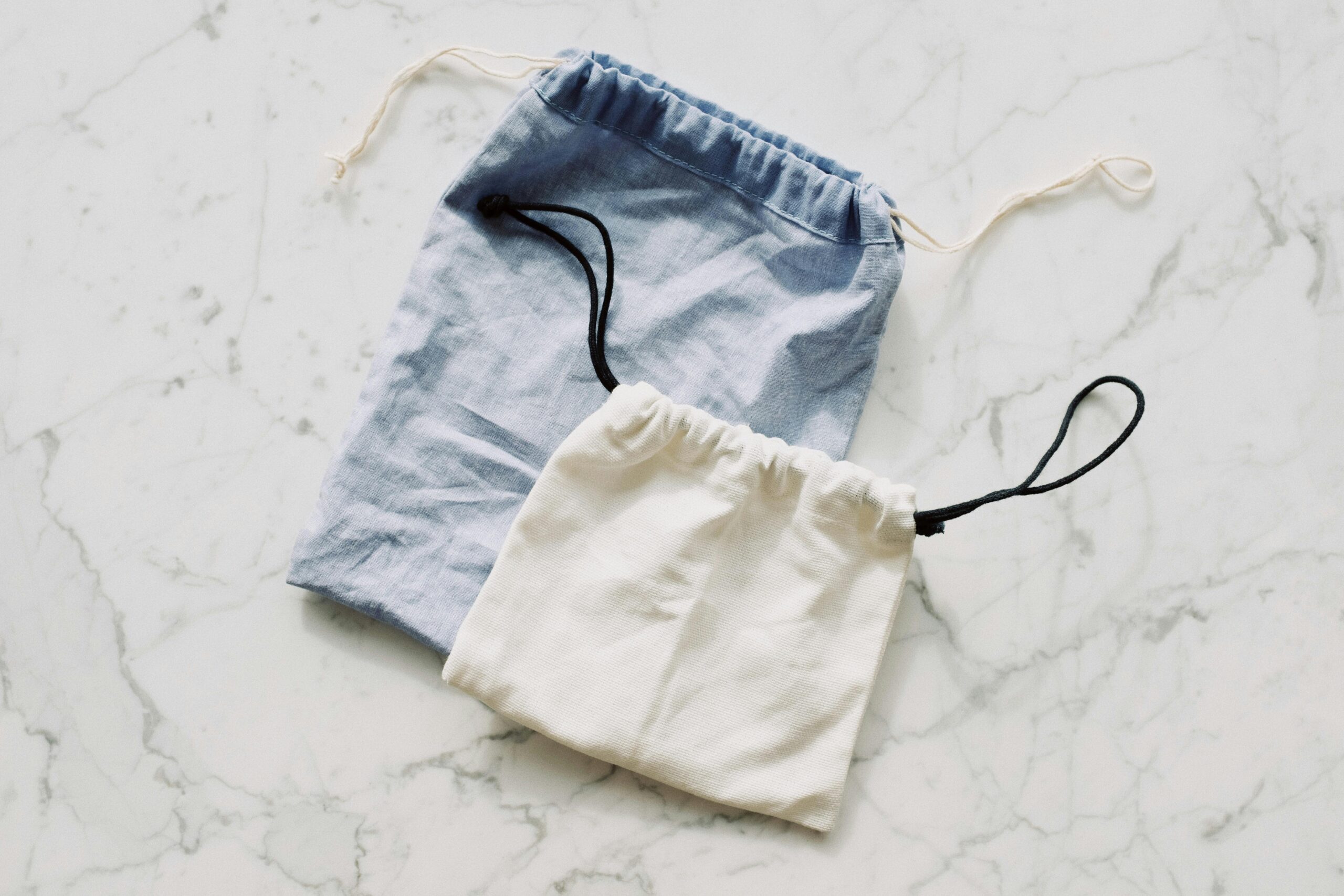
Linen brings understated luxury to sustainable decor through its beautiful drape, subtle luster, and sophisticated texture. Derived from flax plants, linen requires less water and pesticides than conventional cotton, offering excellent environmental credentials.
The fiber’s natural temperature-regulating properties make linen ideal for bedding, curtains, and upholstery. Linen keeps spaces cool in summer and provides insulation during colder months, contributing to energy efficiency alongside aesthetic beauty.
Linen’s characteristic relaxed wrinkles create an effortlessly elegant look that defines European-inspired and coastal grandmother aesthetics. This lived-in quality adds character rather than appearing unkempt, making linen perfect for relaxed yet refined interiors.
Incorporating Linen Across Your Home
Layer linen bedding in coordinating neutral tones for inviting, hotel-inspired bedrooms. The textile’s breathability ensures comfortable sleep while creating visually serene environments that promote rest and relaxation.
Linen curtains filter natural light beautifully while maintaining privacy. Their substantial weight drapes elegantly without stiffness, creating soft, flowing window treatments that enhance architectural features.
Bamboo: Modern Sustainability with Tropical Flair 🎋
Bamboo technically classified as grass rather than wood, offers remarkable sustainability as the fastest-growing plant on earth. Bamboo regenerates without replanting, making it an exceptional renewable resource for conscious decorators.
Bamboo appears in home decor through multiple applications including woven textiles, structural furniture, blinds, and decorative accessories. The material’s natural pale color and visible grain patterns bring organic visual interest to contemporary and tropical-inspired spaces.
Bamboo textiles, created through processing bamboo cellulose, offer silk-like softness with natural antimicrobial properties. These fabrics work beautifully for bedding, towels, and upholstery where comfort and hygiene are priorities.
Rattan and Wicker: Textured Dimension for Eclectic Spaces
Rattan, a climbing palm, provides sturdy material for furniture frames and decorative pieces that bring three-dimensional texture to interiors. When woven, rattan creates what we commonly call wicker, offering infinite design possibilities.
The current design renaissance of rattan furniture celebrates both vintage pieces and contemporary interpretations. Rattan headboards, pendant lights, chairs, and mirrors add organic sculptural elements that soften modern interiors.
Rattan’s lightweight nature makes it practical for frequently rearranged spaces while its durability ensures longevity. The material’s openwork construction creates visual lightness that prevents overwhelming smaller rooms.
Comparing Natural Fibers: Finding Your Perfect Match
Selecting the right natural fiber depends on multiple factors including room function, traffic levels, climate, maintenance preferences, and design style. Understanding how different fibers compare helps you make confident decisions.
| Fiber | Durability | Softness | Moisture Resistance | Best For |
|---|---|---|---|---|
| Jute | Moderate | Low | Low | Rugs, casual spaces |
| Sisal | High | Low-Moderate | Moderate | High-traffic areas |
| Seagrass | High | Low | Moderate | Baskets, casual rugs |
| Hemp | Very High | Moderate-High | High | Upholstery, textiles |
| Cotton | Moderate | Very High | Moderate | Bedding, soft furnishings |
| Linen | High | High | High | Luxury textiles |
| Bamboo | High | High | Moderate | Textiles, furniture |
| Rattan | Very High | N/A | Moderate | Furniture, decorative pieces |
Matching Natural Fibers to Interior Design Styles 🏡
Different design aesthetics pair naturally with specific fiber characteristics. Understanding these relationships ensures cohesive, intentional spaces that reflect your personal style while embracing sustainability.
Modern Minimalist Spaces
Minimalist interiors benefit from sisal, linen, and bamboo textiles that provide subtle texture without visual complexity. Choose natural, undyed colors that maintain serene neutral palettes while adding necessary warmth and organic interest.
Bohemian and Eclectic Rooms
Layered natural fibers create signature bohemian texture. Combine jute rugs with cotton textiles, hemp throw pillows, and rattan furniture for rich, collected aesthetics. Don’t hesitate to mix multiple fiber types for enhanced dimensional interest.
Coastal and Nautical Designs
Seagrass, sisal, and linen perfectly capture relaxed coastal vibes. These fibers’ natural colors evoke sand and sea while their textures bring organic beach-house charm. Add cotton in classic navy and white stripes for traditional nautical accents.
Farmhouse and Rustic Interiors
Jute, hemp, and cotton excel in farmhouse settings. Their casual, lived-in textures complement wood elements and vintage accessories. Choose natural, undyed fibers that emphasize authenticity and connection to agricultural roots.
Caring for Natural Fiber Decor: Maintenance Tips
Proper care extends the life of natural fiber pieces while maintaining their beauty. Each fiber type requires specific maintenance approaches for optimal longevity and appearance.
- Vacuum natural fiber rugs regularly using suction only, avoiding beater bars that can damage fibers
- Blot spills immediately with clean, dry cloths rather than rubbing, which spreads stains
- Rotate rugs and textiles periodically to ensure even wear and sun exposure
- Use rug pads beneath natural fiber floor coverings to prevent slipping and extend lifespan
- Keep natural fibers away from excessive moisture to prevent mold and mildew
- Follow manufacturer cleaning instructions, as some natural fibers require professional cleaning
- Air textiles outdoors occasionally to refresh fibers naturally without harsh chemicals
Sourcing Sustainable Natural Fiber Decor Responsibly
Maximizing the environmental benefits of natural fiber decor requires thoughtful sourcing from responsible manufacturers and retailers. Look beyond the fiber itself to consider entire production processes.
Seek certifications like GOTS (Global Organic Textile Standard) for textiles, FSC (Forest Stewardship Council) for bamboo and rattan, and Fair Trade verification ensuring ethical labor practices. These certifications guarantee that products meet rigorous environmental and social standards.
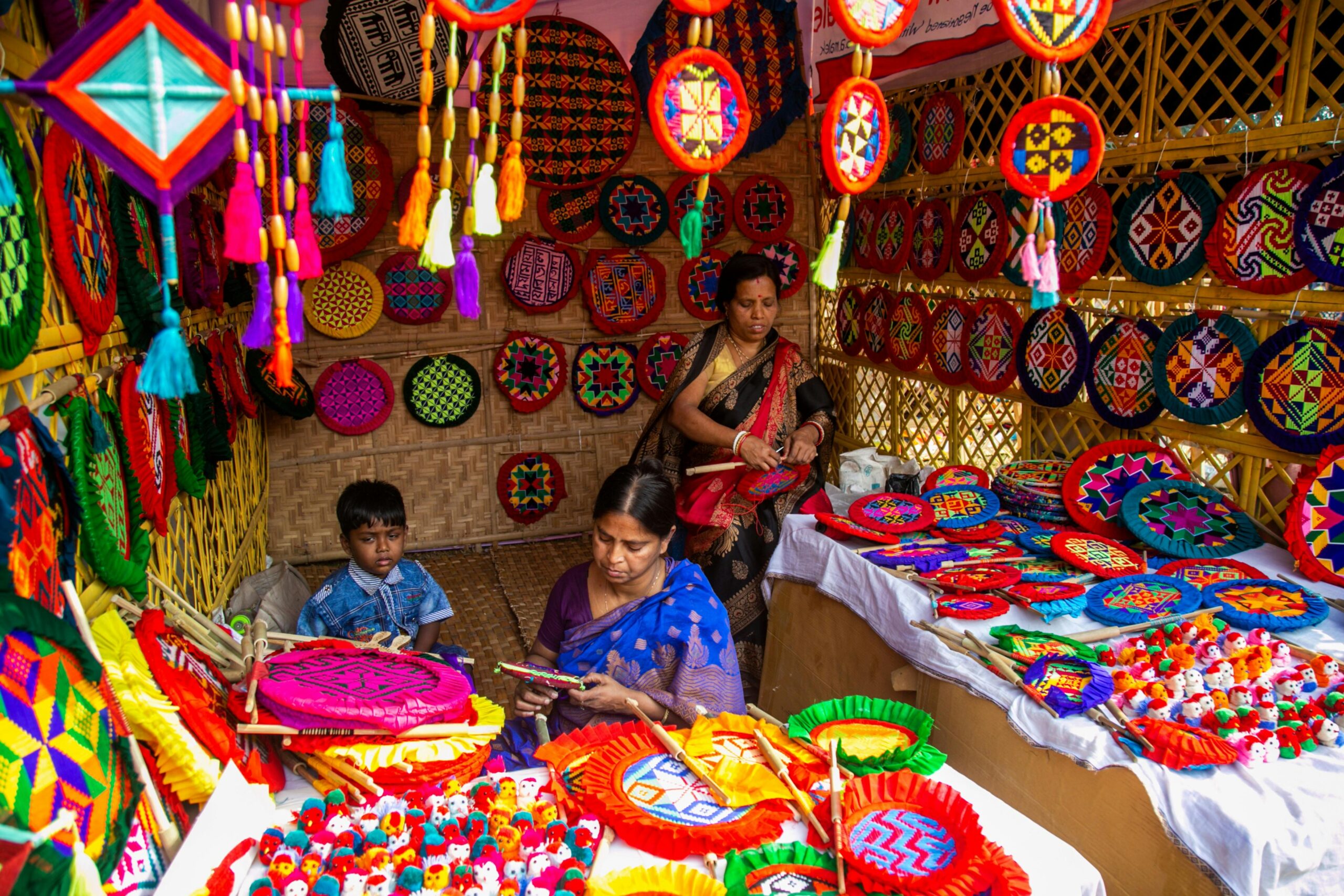
Support artisan communities by purchasing handcrafted natural fiber pieces when possible. These items often feature superior craftsmanship while supporting traditional skills and providing fair wages in developing regions where many natural fibers originate.
Consider secondhand and vintage natural fiber pieces which eliminate additional environmental impact while often offering superior quality compared to contemporary fast-furniture alternatives. Natural fibers’ durability makes them excellent candidates for secondhand shopping.
Mixing Natural Fibers: Creating Layered, Dimensional Spaces
Combining multiple natural fiber types creates sophisticated, richly textured interiors that avoid monotony while maintaining organic cohesion. Strategic layering adds visual interest and tactile variety throughout your home.
Start with a foundational fiber like sisal or jute for flooring, then layer softer textiles including cotton throws and linen pillows for comfort and visual contrast. This approach balances durability where needed with softness in contact areas.
Vary fiber textures by mixing smooth bamboo with roughly woven jute, or pairing crisp linen with chunky cotton knits. These textural contrasts create dynamic visual interest while maintaining natural material cohesion that feels intentional rather than chaotic.
Budgeting for Natural Fiber Transformation 💰
Natural fiber decor spans wide price ranges, making sustainable transformation accessible regardless of budget. Strategic prioritization ensures maximum impact while respecting financial constraints.
Begin with high-impact, foundational pieces like area rugs where natural fibers provide both aesthetic value and durability. A quality jute or sisal rug offers better long-term value than synthetic alternatives requiring frequent replacement.
Incorporate affordable natural fiber accessories including baskets, placemats, and throw pillows that deliver visual impact without significant investment. These smaller items allow experimentation with different fibers before committing to larger purchases.
Invest in quality for high-use items like upholstered furniture where durable natural fibers like hemp or linen justify higher initial costs through extended lifespan and superior performance.
Embracing Imperfection: The Beauty of Natural Variation
Natural fibers celebrate organic imperfection through color variations, textural irregularities, and evolving characteristics that develop over time. Embracing these qualities rather than seeking manufactured uniformity enhances authenticity.
Color variations within natural fiber pieces reflect growing conditions, processing methods, and the inherent uniqueness of organic materials. These differences create character and visual interest impossible to replicate synthetically.
Natural fibers age gracefully, developing patinas and softened textures that enhance rather than diminish beauty. This evolution creates living spaces that grow more comfortable and personalized over time, celebrating use rather than fighting inevitable wear.
Transforming Your Space: Starting Your Natural Fiber Journey 🌱
Beginning your natural fiber transformation doesn’t require complete renovation. Strategic additions gradually shift your space toward sustainable elegance while respecting existing decor investments.
Identify one room for focused natural fiber integration, allowing you to experiment with different materials and styling approaches before expanding throughout your home. This measured approach prevents overwhelming decisions and budget strain.
Replace synthetic items as they wear out with natural fiber alternatives, creating gradual transformation that feels manageable and intentional. This approach aligns sustainability with practical replacement cycles rather than forcing premature disposal.
Document your journey through photos that capture your evolving space. These visual records help you recognize progress, identify what works, and make informed decisions for future additions that maintain cohesive aesthetic development.
Natural fiber decor offers limitless possibilities for creating beautiful, sustainable spaces that reflect personal style while respecting environmental responsibility. By understanding different fiber characteristics, matching materials to design aesthetics, and sourcing responsibly, you transform your home into an eco-friendly sanctuary that proves sustainability and style aren’t mutually exclusive but naturally complementary.