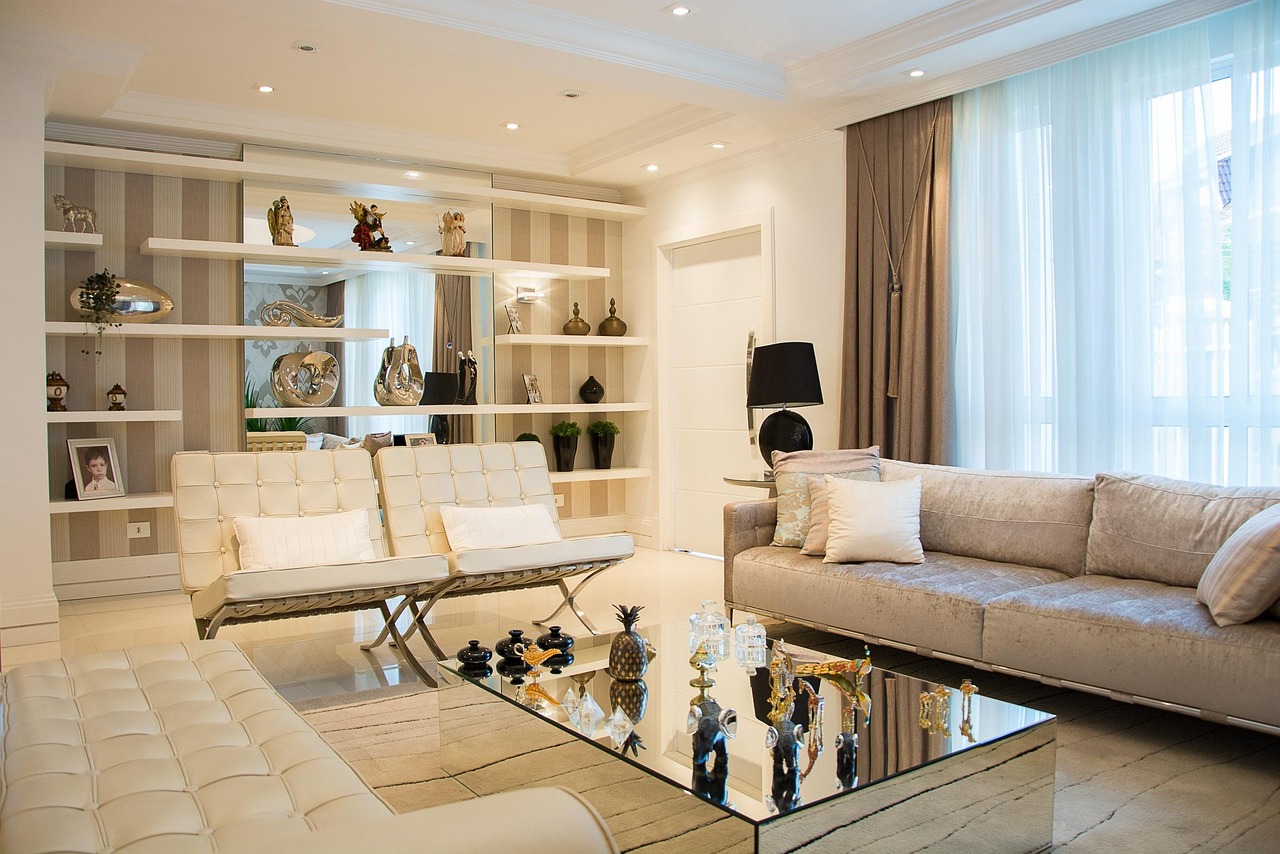
Transforming your living space doesn’t have to mean breaking the bank or harming the planet. Sustainable home décor through second-hand finds and upcycled treasures offers an exciting path to creating a truly unique sanctuary that reflects your personality while respecting environmental values.

The beauty of decorating with pre-loved items lies not just in their affordability, but in the stories they carry and the creative possibilities they unlock. Every vintage chair, repurposed wooden crate, or thrifted mirror becomes a conversation piece that adds character impossible to replicate with mass-produced alternatives. As awareness grows about the environmental impact of fast furniture and disposable décor, more homeowners are discovering that sustainable style doesn’t require compromise—it actually offers more authenticity and charm than conventional shopping ever could.
🌱 Why Choose Second-Hand and Upcycled Décor
The environmental case for sustainable decorating is compelling. The furniture industry contributes significantly to deforestation, carbon emissions, and landfill waste. Every year, millions of tons of perfectly usable furniture end up in dumps simply because trends change or people move. By choosing second-hand and upcycled pieces, you’re actively participating in a circular economy that reduces demand for new production and keeps quality items in use longer.
Beyond environmental benefits, there’s the undeniable economic advantage. Second-hand shopping allows you to access higher-quality pieces at fraction-of-retail prices. That solid wood dresser from the 1960s you find at an estate sale was built to last generations, unlike many particle board alternatives available today. The money saved can be invested in quality paint, hardware, or upholstery to customize pieces exactly to your vision.
Perhaps most importantly, decorating with reclaimed and repurposed items gives your home genuine character. In a world of identical IKEA living rooms, spaces filled with unique finds tell your story. Each piece represents a discovery, a creative transformation, or a rescued treasure—making your home truly one-of-a-kind.
🔍 Where to Source Amazing Second-Hand Treasures
Knowing where to look is half the battle when hunting for sustainable décor. Thrift stores and charity shops remain goldmines for budget-conscious decorators, with inventory constantly changing. Visit regularly, ideally on weekdays when crowds are smaller, and you’ll increase your chances of finding hidden gems before others snatch them up.
Estate sales and garage sales offer particularly exciting opportunities. These events often feature complete household liquidations, meaning you might discover matching sets, quality furniture, and vintage accessories all in one location. Arriving early gets you first pick, but coming near closing time might land you negotiation opportunities as sellers become more flexible on pricing.
Online marketplaces have revolutionized second-hand shopping. Platforms like Facebook Marketplace, Craigslist, and specialized apps connect buyers with sellers in local communities. The advantage here is browsing from home and often finding free or deeply discounted items from people simply wanting to clear space quickly. Always practice safety when arranging pickups, meeting in public places or bringing someone along.
Don’t overlook architectural salvage yards and reclamation centers. These specialized venues stock doors, windows, hardware, lighting fixtures, and building materials rescued from demolitions and renovations. They’re treasure troves for those undertaking more ambitious upcycling projects or seeking authentic vintage architectural elements.
Building Relationships with Dealers and Shop Owners
Becoming a regular at your favorite second-hand shops pays dividends. Store owners and dealers who recognize you will often set aside items matching your style or give you first call when something special arrives. Don’t hesitate to leave your contact information and describe what you’re seeking—these connections transform casual browsing into curated opportunities.
✨ Creative Upcycling Ideas for Every Room
Upcycling transforms ordinary objects into extraordinary décor through creativity and modest effort. The living room offers countless opportunities—old wooden ladders become blanket displays or bookshelf alternatives, vintage suitcases stack into quirky side tables, and wooden pallets transform into rustic coffee tables or vertical gardens.
For bedroom makeovers, consider repainting thrifted dressers in bold modern colors, replacing hardware with updated knobs and pulls for instant transformation. Old window frames become charming wall décor or headboards, while vintage crates mounted on walls create unique floating nightstands with built-in storage.
Kitchen and dining spaces benefit enormously from upcycled elements. Mason jars organize pantry staples while doubling as rustic vases. Vintage cutting boards mount on walls as practical-yet-decorative displays. Old dining chairs mismatched intentionally and painted coordinating colors create an eclectic, curated look that’s currently very on-trend.
Bathroom Transformations with Reclaimed Materials
Bathrooms might seem challenging for second-hand décor, but creative solutions abound. Vintage mirrors add instant character above sinks, while old wooden crates provide charming towel storage. Repurposed furniture pieces—like a refinished dresser converted into a vanity—create stunning focal points that combine function with personality.
🎨 Essential Techniques for Successful Upcycling Projects
Successful upcycling requires some basic skills and knowledge. Preparation is crucial—proper cleaning and sanding create foundations for lasting transformations. For wooden pieces, start with thorough cleaning using appropriate solutions, then sand surfaces to remove old finish and create texture for new paint or stain to grip.
Paint selection matters tremendously. Chalk paint has become beloved among upcyclers for its excellent adhesion, matte finish, and minimal prep requirements. However, don’t overlook traditional options like latex or oil-based paints, which offer durability advantages for high-use items. Always apply primer when painting previously finished furniture to ensure proper adhesion and prevent bleed-through.
Learning basic reupholstery opens vast possibilities. You don’t need professional skills to recover a chair seat or ottoman. With a staple gun, fabric scissors, and patience, you can completely transform upholstered pieces. Start with simple projects—removable chair seats are ideal—before tackling more complex furniture.
Tools Worth Investing In
While upcycling doesn’t require extensive equipment, certain tools make projects easier and results more professional. A quality sander saves hours of hand-sanding effort. An electric drill with various bits handles everything from hardware removal to mixing paint. A staple gun is essential for upholstery projects, while paintbrushes in various sizes ensure smooth application on different surfaces.
💡 Design Principles for Cohesive Eclectic Spaces
Creating cohesive rooms from diverse second-hand pieces requires thoughtful design approach. Start with a color palette—choosing three to five colors that appear throughout your space ties disparate elements together visually. This doesn’t mean everything matches perfectly; rather, repeated colors create harmony among varied styles and eras.
Balance is equally important. Mix furniture styles and eras intentionally rather than randomly. Pair ornate vintage pieces with simpler modern elements to prevent spaces from feeling cluttered or theme-park-like. A Victorian settee gains contemporary edge when flanked by minimalist side tables, while a sleek mid-century credenza warms up with bohemian textile accents.
Scale and proportion prevent eclectic spaces from feeling chaotic. Vary furniture heights and sizes to create visual interest, but ensure pieces relate appropriately to room dimensions and each other. A massive antique armoire overwhelms a tiny bedroom, while diminutive accent tables disappear in sprawling living rooms.
Creating Focal Points with Statement Pieces
Every room benefits from a focal point—one standout piece that draws the eye and anchors the space. This might be a dramatically painted vintage dresser, an architectural salvage piece like an old door repurposed as wall art, or a gallery wall of thrifted frames. Build your room design around this anchor, keeping surrounding elements more subdued to let your statement piece shine.
🌿 Sustainable Shopping Habits and Mindful Consumption
Even when shopping second-hand, mindful consumption matters. Before purchasing, ask yourself whether you genuinely need and love an item or you’re simply attracted by the low price. Impulsive thrift shopping still contributes to clutter and waste when items go unused. The most sustainable purchase is always the one you don’t make unnecessarily.
Measure your spaces and maintain a list of needed items, including dimensions. Nothing’s more frustrating than discovering that perfect thrifted bookshelf doesn’t fit your wall space. Carrying a measuring tape during shopping trips prevents these disappointments and reduces the likelihood of purchasing items that ultimately don’t work.
Consider an item’s condition realistically. Some wear adds character, but structural damage or extensive deterioration might mean a piece isn’t worth your time and effort. Be honest about your skill level and available time—that chair needing complete reupholstering might be beyond your current abilities, leading to another unfinished project gathering dust.
🛠️ Common Upcycling Mistakes to Avoid
Learning from others’ mistakes saves time and frustration. One common error is skipping proper preparation—inadequate cleaning and sanding leads to paint that chips or peels quickly. Taking time for thorough prep work always pays off in durability and professional-looking results.
Another pitfall is choosing trendy techniques that don’t match your long-term style. That distressed farmhouse finish might be everywhere right now, but will you love it in five years? Consider your authentic preferences rather than following every trend, ensuring your transformed pieces remain beloved long-term.
Overcomplicating projects trips up many beginners. You don’t need elaborate techniques or expensive specialty products for beautiful results. Sometimes simple solutions—a fresh coat of paint, new hardware, or updated upholstery fabric—create the most impactful transformations. Start simple, building skills and confidence before attempting complex projects.
When to Walk Away
Not every second-hand item deserves rescuing. Furniture with severe structural damage, extensive mold, or bedbug evidence should be avoided regardless of price. Similarly, particleboard furniture often doesn’t withstand refinishing well—the veneer chips easily and water-based paints can cause swelling. Focus your efforts on quality pieces worth transforming.
💰 Budgeting for Sustainable Home Transformation
Creating a budget prevents overspending and keeps projects manageable. Allocate funds across categories: furniture purchases, refinishing supplies (paint, brushes, sandpaper), hardware and accessories, and textiles. Remember that even thrift shopping adds up—those $5 and $10 purchases accumulate quickly.
DIY upcycling saves money compared to buying new, but factor in supplies costs honestly. High-quality paint, brushes, and materials aren’t cheap. Sometimes you’ll spend $50-75 refinishing a thrifted dresser—still far less than comparable new furniture, but more than the initial purchase price. This realistic accounting prevents budget surprises.
Prioritize spending on items seeing heavy use or providing significant visual impact. Invest more in a quality secondhand sofa that will anchor your living room daily than on decorative accessories easily swapped out. This strategic approach ensures your budget delivers maximum value and satisfaction.
🌍 The Environmental Impact of Your Choices
Understanding the environmental implications of decorating choices reinforces sustainable habits. Manufacturing new furniture consumes significant resources—timber, water, energy—and produces substantial carbon emissions during production and transportation. Extending existing furniture lifespan through second-hand purchasing and upcycling reduces demand for this resource-intensive production.
Landfill diversion represents another critical benefit. Furniture comprises a substantial portion of landfill waste, with much of it perfectly usable or repairable. Each piece you rescue and restore means one less item taking up landfill space for decades. Multiply this across millions of conscious consumers, and the collective impact becomes truly significant.
Using low-VOC paints and natural finishing products when refinishing ensures your sustainable approach extends beyond simply buying second-hand. Many conventional paints release harmful volatile organic compounds into your home and environment. Eco-friendly alternatives protect both indoor air quality and broader environmental health.
✂️ Joining the Upcycling Community
The sustainable décor movement has created vibrant communities both online and locally. Social media platforms, particularly Instagram and Pinterest, showcase incredible transformations that inspire and educate. Following upcyclers whose aesthetics align with yours provides endless project ideas and motivation to tackle your own transformations.
Local workshops and classes offer hands-on learning opportunities. Many communities have makerspaces, community colleges, or specialty shops offering furniture painting, upholstery, or woodworking classes. These experiences build skills while connecting you with like-minded individuals who share your sustainable values.
Don’t underestimate the value of sharing your own journey. Documenting your projects through photos or social media creates personal accountability while potentially inspiring others. The upcycling community is remarkably supportive, with experienced refinishers often generous with advice and encouragement for beginners.
🏡 Long-Term Benefits Beyond Aesthetics
Choosing sustainable second-hand and upcycled décor creates benefits extending far beyond beautiful rooms. The skills developed through refinishing projects—painting, basic carpentry, upholstery—serve you throughout life, reducing dependence on professionals for future home improvements. This knowledge empowers you to maintain, repair, and update your space independently.
Financial advantages accumulate over time. Money saved on furniture and décor can be redirected toward experiences, savings, or other priorities. Additionally, quality vintage furniture often retains value better than mass-produced alternatives, meaning pieces can be resold later if your style evolves, essentially allowing you to “borrow” décor with minimal long-term cost.
Perhaps most importantly, living in a space reflecting your creativity and values enhances daily wellbeing. Every transformed piece represents your effort and vision, creating deeper connection to your environment than any showroom-perfect space ever could. This sense of accomplishment and authenticity contributes to genuine home satisfaction.
Transforming your space sustainably through second-hand and upcycled décor offers rewards touching every aspect of homemaking—environmental responsibility, financial prudence, creative expression, and authentic style. The journey from thrift store find to cherished home treasure builds skills, confidence, and spaces genuinely reflecting who you are. As you develop your eye for potential and techniques for transformation, you’ll discover that sustainable decorating isn’t a limitation but rather an opportunity for creating something truly special—a home as unique as your own story, filled with pieces that matter.