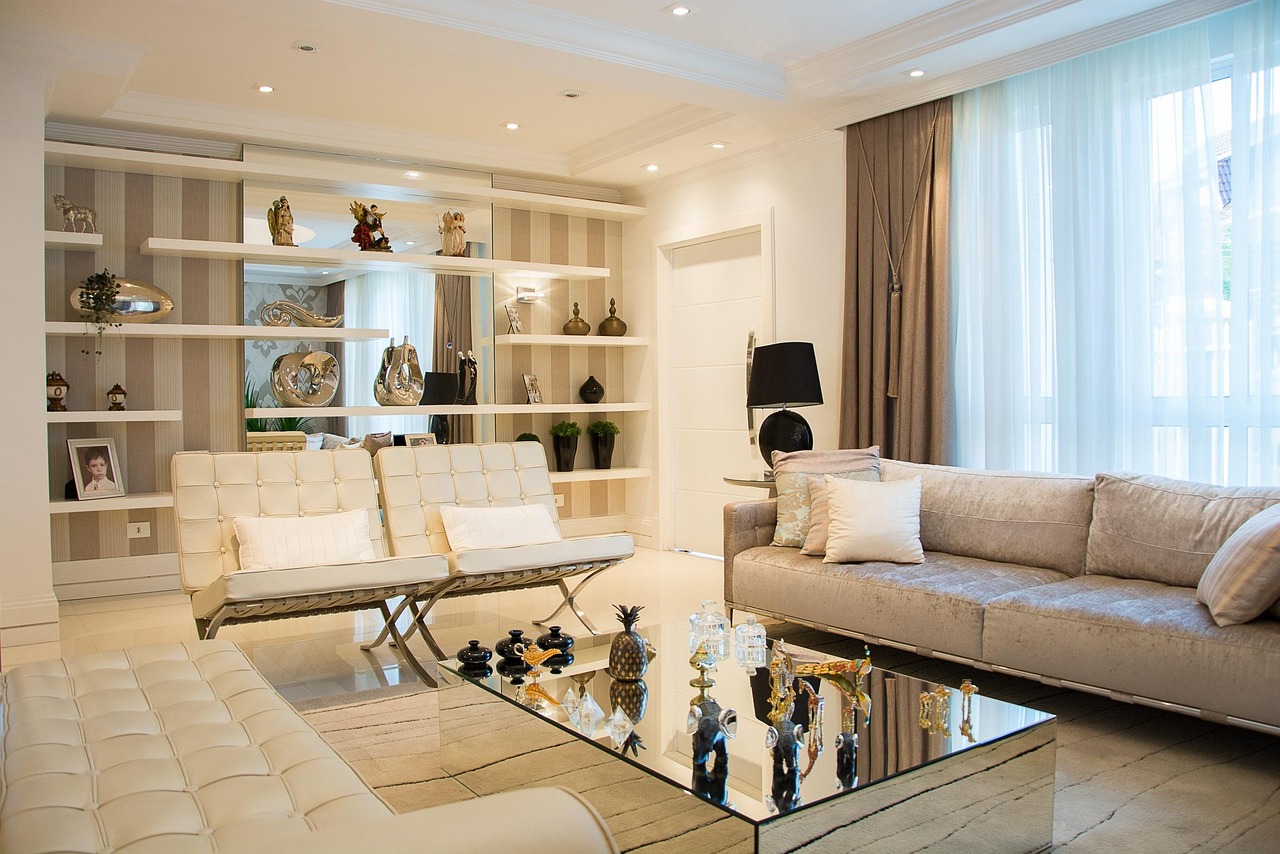
Creating a beautiful home doesn’t mean sacrificing sustainability. Modern lighting solutions combine aesthetic appeal with energy efficiency, transforming your living spaces into environmentally conscious sanctuaries that reduce both your carbon footprint and electricity bills.

The intersection of design and sustainability has never been more accessible. Today’s homeowners can illuminate their spaces with stylish fixtures that prioritize energy conservation without compromising on ambiance or visual impact. Smart lighting technology, eco-friendly materials, and innovative design approaches are revolutionizing how we think about home illumination, making it easier than ever to create stunning interiors that align with environmental values.
🌟 The Power of LED Technology in Modern Home Lighting
LED bulbs have revolutionized the lighting industry, offering unparalleled energy efficiency compared to traditional incandescent options. These modern marvels consume up to 75% less energy while lasting 25 times longer, making them the cornerstone of any sustainable lighting strategy. The initial investment in LED technology pays dividends through reduced replacement costs and significantly lower energy consumption over time.
The versatility of LED lighting extends far beyond simple energy savings. These bulbs are available in various color temperatures, from warm amber tones that create cozy atmospheres to cool whites perfect for task-oriented spaces. Dimmable LED options provide complete control over ambiance, allowing you to adjust brightness levels according to different activities and times of day. This flexibility enables homeowners to create dynamic lighting schemes that adapt to their lifestyle while maintaining optimal energy efficiency.
Modern LED fixtures come in countless designs, from minimalist pendant lights to elaborate chandeliers. The compact nature of LED technology allows designers to create sleek, contemporary fixtures that would be impossible with traditional bulbing. This design freedom means you can achieve any aesthetic vision while maintaining your commitment to sustainability.
💡 Smart Lighting Systems: Intelligence Meets Efficiency
Smart lighting represents the future of home illumination, combining automation, remote control, and energy monitoring into seamless systems. These intelligent solutions learn your habits, adjust brightness based on natural light availability, and can be controlled from anywhere using smartphone applications. The integration of artificial intelligence ensures your lights are only active when needed, eliminating wasteful energy consumption from forgotten switches.
Voice-activated controls through virtual assistants like Alexa, Google Assistant, or Siri add convenience while promoting energy conservation. Simple commands can turn off all lights in your home, adjust specific room settings, or create custom lighting scenes for different occasions. This hands-free operation encourages mindful energy use by making it effortless to manage your entire lighting ecosystem.
Scheduling features allow smart systems to align with your daily routines. Lights can gradually brighten in the morning to simulate sunrise, automatically dim during evening hours, and turn off completely when everyone leaves home. Geofencing technology detects when you’re approaching and can prepare your home’s lighting accordingly, ensuring you never walk into a dark house while avoiding unnecessary energy waste during your absence.
Energy Monitoring and Consumption Insights
Many smart lighting platforms provide detailed analytics about your energy consumption patterns. These insights empower you to make informed decisions about your lighting habits, identifying opportunities for further optimization. Real-time monitoring shows exactly how much energy each fixture consumes, allowing you to prioritize upgrades for the most power-hungry areas of your home.
Budget tracking features help you understand the financial impact of your lighting choices. By visualizing cost savings over time, these tools reinforce the value of energy-efficient decisions and motivate continued conservation efforts. Some systems even offer recommendations for reducing consumption based on your usage patterns, creating a personalized roadmap toward greater sustainability.
🌿 Natural Light Maximization Strategies
The most sustainable lighting source is sunlight itself. Strategic interior design choices can dramatically increase natural light penetration, reducing dependence on artificial illumination during daylight hours. Large windows, skylights, and glass doors transform spaces into bright, airy environments that require minimal supplemental lighting throughout the day.
Reflective surfaces amplify natural light, bouncing it deeper into interior spaces. Mirrors placed opposite windows create the illusion of additional light sources while literally doubling the sunlight’s reach. Light-colored walls, glossy finishes, and metallic accents all contribute to brighter spaces without consuming any electricity. These design elements work synergistically with your artificial lighting to create well-lit environments that feel open and inviting.
Window treatments play a crucial role in natural light management. Sheer curtains filter harsh sunlight while maintaining brightness, eliminating glare without blocking beneficial illumination. Adjustable blinds and smart glass technology allow precise control over light levels throughout the day, adapting to changing conditions and personal preferences. This dynamic approach ensures optimal lighting conditions while minimizing artificial lighting needs.
♻️ Sustainable Lighting Materials and Fixtures
The sustainability of lighting extends beyond bulb efficiency to encompass the materials used in fixture construction. Eco-friendly options crafted from recycled metals, reclaimed wood, bamboo, and biodegradable materials reduce environmental impact while adding unique character to your space. These conscientious choices support circular economy principles, keeping materials in use and out of landfills.
Artisanal lighting fixtures made by local craftspeople offer both sustainability and uniqueness. Supporting regional makers reduces transportation emissions while ensuring your lighting decor is truly one-of-a-kind. Many artisans specialize in upcycled designs, transforming discarded materials into stunning functional art that tells a story of renewal and creativity.
Natural fiber lampshades made from hemp, linen, or organic cotton provide sustainable alternatives to synthetic materials. These breathable fabrics create warm, diffused lighting that enhances ambiance while aligning with eco-conscious values. When these items eventually reach end-of-life, they decompose naturally rather than persisting in landfills for centuries.
Modular and Repairable Lighting Design
Choosing fixtures designed for longevity and repairability extends product lifecycles significantly. Modular designs allow individual component replacement rather than discarding entire fixtures when bulbs or parts fail. This approach reduces waste while saving money over time, as you only replace what’s necessary rather than purchasing completely new units.
Quality construction using durable materials ensures fixtures withstand decades of use. Investing in well-made lighting pays environmental and financial dividends, as these pieces never need replacement. Timeless designs that transcend fleeting trends maintain their aesthetic relevance regardless of changing tastes, further extending their useful life in your home.
🎨 Creative Lighting Decor Ideas for Every Room
Living rooms benefit from layered lighting approaches that combine ambient, task, and accent illumination. Energy-efficient floor lamps with LED bulbs provide reading light without overhead glare, while LED strip lights hidden behind furniture or architectural features create dramatic ambient effects. Decorative pendant lights made from sustainable materials serve as artistic focal points that express your commitment to both style and sustainability.
Kitchen lighting requires bright, functional illumination for food preparation while maintaining inviting ambiance. Under-cabinet LED strips illuminate work surfaces efficiently, while pendant lights over islands add visual interest. Motion-sensor lights inside cabinets and pantries ensure you never waste energy lighting spaces when not in use, activating only when doors open and automatically shutting off when closed.
Bedroom lighting should promote relaxation and support healthy sleep patterns. Warm-toned LED bulbs create calming atmospheres, while smart systems can gradually dim as bedtime approaches, supporting natural circadian rhythms. Reading lights with adjustable arms direct illumination precisely where needed, minimizing light pollution in the room while providing adequate brightness for nighttime activities.
Bathroom Brilliance: Efficiency Meets Functionality
Bathrooms require bright, clear lighting for grooming tasks while maintaining energy efficiency. LED vanity fixtures with high color rendering indices ensure accurate color perception for makeup application and outfit coordination. Waterproof LED strips in showers create spa-like experiences without the safety concerns or energy consumption of traditional lighting in wet environments.
Motion-sensor activation in bathrooms ensures lights are never left burning unnecessarily. These automated systems provide convenience during nighttime visits while eliminating the most common source of wasted bathroom lighting. Daylight sensors can dim or turn off artificial lights when natural illumination from windows provides adequate brightness.
🌙 Outdoor Lighting: Extending Sustainability Beyond Four Walls
Solar-powered outdoor lighting harnesses renewable energy directly, eliminating electrical consumption entirely. These fixtures charge during daylight hours and automatically illuminate pathways, gardens, and architectural features after sunset. Modern solar lights offer surprising brightness and reliability, with advanced battery technology ensuring consistent performance even after cloudy days.
Low-voltage landscape lighting systems reduce energy consumption while creating stunning outdoor ambiance. LED pathway lights guide visitors safely while consuming minimal power, and uplighting highlights trees and architectural features with dramatic effect. Timer controls and astronomical clocks ensure outdoor lighting operates only when needed, shutting off automatically during late-night hours when no one is outside to appreciate the illumination.
Dark-sky compliant fixtures direct light downward, reducing light pollution that disrupts wildlife and obscures stars. These responsible designs provide necessary illumination for safety and navigation while respecting the natural nighttime environment. Warm-colored LEDs in outdoor spaces minimize impact on nocturnal creatures while creating inviting outdoor living areas for human enjoyment.
📱 Apps and Technology for Lighting Management
Comprehensive lighting management applications put complete control at your fingertips. These platforms allow you to create custom scenes, schedule automated lighting sequences, and monitor energy consumption from anywhere. Integration with other smart home systems creates synchronized experiences where lighting responds to temperature settings, security system status, and entertainment activities.
Color-changing smart bulbs unlock creative possibilities for mood lighting and seasonal decorating. Apps let you select from millions of colors or preset scenes designed by lighting professionals. Holiday themes, party modes, and relaxation settings transform your home’s atmosphere instantly without installing new fixtures or purchasing seasonal decorations.
Energy tracking applications help you understand the cumulative impact of your lighting choices. By visualizing consumption data across days, weeks, and months, these tools reveal patterns and opportunities for optimization. Gamification features encourage conservation by setting goals and celebrating achievements as you reduce your environmental footprint.
💰 Financial Benefits of Energy-Efficient Lighting
The initial investment in LED bulbs and smart lighting systems generates substantial long-term savings. While upfront costs may exceed traditional lighting options, reduced energy consumption and extended lifespans create positive return on investment within months or a few years. Utility bill reductions compound over time, with typical households saving hundreds of dollars annually after transitioning to comprehensive LED lighting.
Many utility companies and government programs offer rebates for energy-efficient lighting upgrades. These incentives offset initial costs, making sustainable choices more financially accessible. Tax credits for energy improvements may further reduce the effective cost of smart lighting systems, improving the financial case for upgrading your home’s illumination infrastructure.
Property value increases represent another financial benefit of modern lighting systems. Home buyers increasingly prioritize energy efficiency, and professionally designed smart lighting adds perceived and actual value. Well-lit spaces photograph beautifully for listings and create positive first impressions during showings, potentially accelerating sales and commanding premium prices.
🌍 Environmental Impact: Making a Real Difference
Residential lighting accounts for approximately 15% of home electricity consumption in typical households. Transitioning to LED technology reduces this figure dramatically, with individual homes potentially preventing tons of carbon dioxide emissions annually. When multiplied across neighborhoods, cities, and nations, these individual choices create substantial environmental benefits that contribute meaningfully to climate change mitigation efforts.
Reduced energy consumption decreases demand for power generation, lessening reliance on fossil fuel plants. As more homes adopt efficient lighting, utility companies can delay or avoid building new generating capacity, preventing the environmental damage associated with power plant construction and operation. This ripple effect amplifies the impact of your personal sustainability choices far beyond your property boundaries.
Extended product lifecycles reduce manufacturing demand and waste generation. LED bulbs lasting 25,000 hours mean fewer replacements, less packaging waste, and reduced transportation emissions compared to frequently replaced incandescent alternatives. Choosing durable, repairable fixtures further minimizes resource extraction and manufacturing impacts associated with home lighting.
✨ Practical Implementation: Your Path to Sustainable Lighting
Begin your lighting transformation by auditing current fixtures and identifying high-usage areas. Prioritize spaces where lights operate longest each day, as these offer maximum return on efficient upgrades. Kitchens, living rooms, and outdoor security lighting typically provide the best opportunities for immediate impact through LED replacement.
Gradual implementation spreads costs while maintaining progress toward sustainability goals. Replace bulbs as they burn out rather than discarding functioning units prematurely. This measured approach respects your budget while ensuring every future lighting choice aligns with efficiency principles. Within months or a few years, your entire home will feature energy-saving illumination without wasteful premature disposal.
Consider professional lighting design consultation for major renovations or new construction. Experts can optimize fixture placement, recommend appropriate technologies, and create layered lighting schemes that maximize both aesthetic appeal and energy efficiency. Their expertise ensures you avoid costly mistakes while achieving professional-quality results that enhance your home’s beauty and sustainability.
🏡 Creating Your Sustainable Lighting Vision
Sustainable lighting represents an intersection of environmental responsibility, financial wisdom, and design excellence. Today’s technologies and design approaches make it possible to illuminate your home beautifully while significantly reducing energy consumption and environmental impact. From LED basics to sophisticated smart systems, the options available suit every budget, aesthetic preference, and technical comfort level.
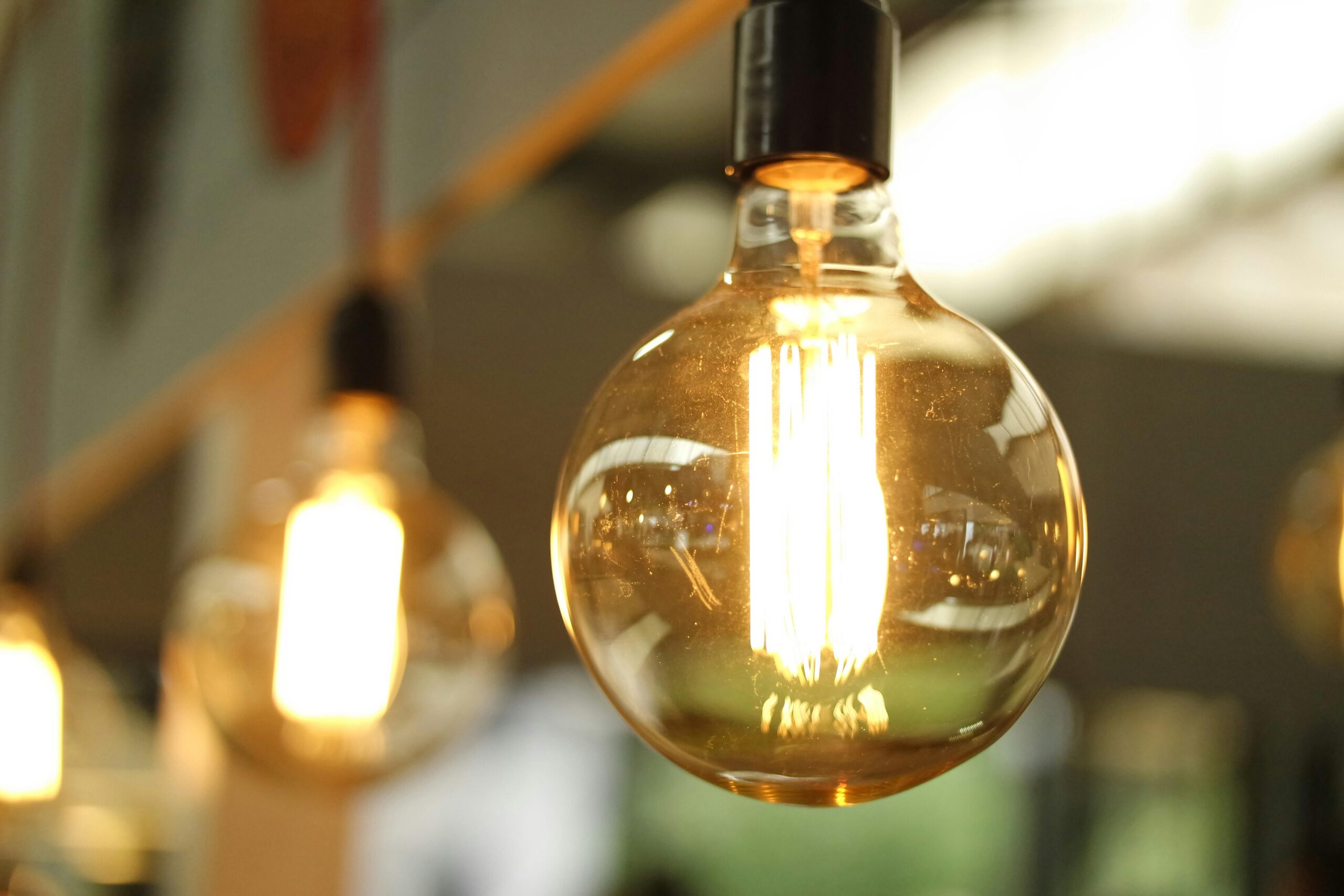
Your journey toward sustainable illumination begins with a single bulb or fixture but extends into a comprehensive approach that transforms how you experience your home. Each energy-efficient choice contributes to a brighter future—both in your living spaces and for the planet. The combination of reduced utility costs, enhanced ambiance, and environmental stewardship creates compelling reasons to prioritize sustainable lighting in your home improvement plans.
Embrace the opportunity to illuminate your space sustainably, creating a home that reflects your values while providing the beautiful, functional lighting you deserve. The technologies exist, the designs inspire, and the benefits extend far beyond simple illumination. Your commitment to energy-saving lighting decor creates a legacy of responsible living that brightens not just your home, but the world we all share.