
Giving back to your community has never been more accessible. Local donation centers serve as vital hubs connecting generous individuals with those in need, creating meaningful impact right in your neighborhood.

Whether you’re looking to declutter your home, support a worthy cause, or make a tangible difference in someone’s life, understanding how to navigate local donation centers can transform your charitable intentions into real-world change. This comprehensive guide will walk you through everything you need to know about donating locally, from finding the right centers to maximizing your impact.
Why Local Donation Centers Matter More Than Ever 🌟
Local donation centers play an irreplaceable role in community welfare. Unlike national organizations that may ship items across the country, local centers ensure your contributions directly benefit neighbors facing hardship. These facilities serve as redistribution points where gently used items find new life with families who genuinely need them.
The environmental impact cannot be overstated either. By donating locally, you’re reducing landfill waste and promoting circular economy principles. Clothing, furniture, electronics, and household goods that might otherwise contribute to environmental degradation instead receive extended lifespans through thoughtful redistribution.
Furthermore, local donation centers often support employment initiatives, providing job training and work opportunities for individuals reentering the workforce or developing new skills. Your donations literally fuel these community development programs.
Types of Local Donation Centers You Should Know About
Understanding the landscape of donation centers helps you direct your contributions where they’ll have maximum impact. Different organizations specialize in various donation types and serve distinct community segments.
Thrift Store-Based Organizations
These establishments operate retail stores selling donated goods at affordable prices. Organizations like Goodwill, The Salvation Army, and local thrift shops fall into this category. Revenue generated from sales typically funds job training programs, addiction recovery services, and other community initiatives.
These centers accept a wide range of items including clothing, furniture, books, electronics, and household goods. They’re excellent choices for general decluttering and offering diverse donation options under one roof.
Faith-Based Donation Centers
Churches, synagogues, mosques, and other religious institutions frequently operate donation programs. These centers often focus on immediate community relief, providing items directly to families in crisis rather than through retail operations.
Faith-based centers excel at personalized assistance, often pairing donations with additional support services like food pantries, counseling, and financial assistance programs.
Specialized Donation Facilities
Some centers focus exclusively on specific item categories. Examples include women’s shelters accepting professional clothing for job seekers, furniture banks distributing household essentials to families transitioning from homelessness, and toy drives serving children in need.
Specialized centers ensure your donations reach precisely targeted populations with specific needs, maximizing relevance and impact.
How to Find Donation Centers Near You 📍
Locating convenient donation centers has become remarkably simple with modern technology and community resources. Multiple approaches can help you identify the perfect drop-off location.
Start with a simple online search combining “donation centers near me” with your city name. This yields immediate results with addresses, hours, and accepted items lists. Google Maps provides visual navigation and real-time information about operating hours.
Community bulletin boards, both physical and digital, often feature donation center information. Check your neighborhood’s Facebook groups, Nextdoor community pages, and local government websites for comprehensive listings.
Many municipalities maintain databases of charitable organizations, including donation centers. City hall websites or community services departments can provide vetted, legitimate organization lists.
Mobile applications designed for charitable giving have emerged as valuable tools. These platforms connect donors with nearby centers, schedule pickups, and even provide tax receipt documentation automatically.
What Items Donation Centers Actually Need
Not all donations are created equal, and understanding what centers actually need prevents wasted trips and ensures your contributions genuinely help. Acceptable items vary by organization, but general patterns exist across most facilities.
Highly Desired Clothing Items
Gently used clothing in good condition tops most wish lists. Focus on seasonal appropriateness—winter coats during cold months, lighter clothing as temperatures rise. Professional attire for job interviews remains perpetually needed. Children’s clothing in all sizes sees constant demand as kids quickly outgrow garments.
Ensure clothing is clean, unstained, and free from significant wear. Missing buttons, broken zippers, or excessive fading typically disqualify items.
Household Essentials
Working small appliances, kitchenware, bedding, and towels consistently rank among most-needed items. Families establishing new households particularly benefit from these donations. Dishes, pots, pans, utensils, and basic cooking equipment enable self-sufficiency.
Furniture in good structural condition helps furnish homes for families transitioning from shelters or starting fresh after hardship.
Books and Educational Materials
Books for all ages, especially children’s literature, support literacy initiatives. Educational toys, school supplies, and learning materials empower educational advancement in underserved communities.
Items Generally Not Accepted
Most centers cannot accept mattresses due to health regulations, broken electronics without repair value, heavily damaged furniture, or items with safety recalls. Hazardous materials, weapons, and expired food products are universally rejected.
Always call ahead or check websites before donating questionable items. This saves time and prevents disappointment.
Maximizing Your Tax Deductions Through Strategic Donations 💰
Charitable donations to qualified organizations provide valuable tax deductions when properly documented. Understanding IRS requirements ensures you receive full financial benefits while supporting worthy causes.
Keep detailed records of all donations. For items valued under $250, a receipt from the donation center suffices. The receipt should include the organization’s name, donation date, and general description of items donated.
Donations exceeding $250 require written acknowledgment from the receiving organization. For items valued over $5,000, professional appraisals become necessary for tax purposes.
Fair market value determines deduction amounts—essentially what a willing buyer would pay a willing seller. Online valuation guides help estimate appropriate values for common items. Document item conditions with photographs before donating for substantiation purposes.
IRS Form 8283 accompanies your tax return when claiming non-cash contributions exceeding $500. Consult tax professionals for guidance on substantial donations to ensure compliance and maximize deductions.
Scheduling Donation Pickups for Convenience
Many donation centers offer pickup services for large items or substantial donations, eliminating transportation challenges. This service proves particularly valuable for furniture, appliances, or when donating multiple boxes simultaneously.
Schedule pickups well in advance, especially during peak donation seasons like spring cleaning or year-end giving periods. Most organizations require several days to weeks notice depending on demand and service area size.
Prepare items for pickup by placing them in accessible locations—porches, garages, or driveways. Clearly mark donation boxes and ensure pathways remain clear for pickup crews.
Confirm pickup appointments the day before to avoid miscommunication. Weather conditions or scheduling conflicts occasionally necessitate rescheduling, so maintain flexibility.
The Behind-the-Scenes Journey of Your Donations
Understanding what happens after you drop off donations illuminates the full impact of your generosity. The journey from donation to destination involves multiple steps ensuring items reach those who need them most.
Upon arrival, staff or volunteers sort donations by category—clothing, household goods, electronics, furniture. Quality checks identify items suitable for distribution versus those requiring disposal or recycling.
Acceptable items receive cleaning, minor repairs if needed, and organization for either direct distribution or retail sale. Thrift stores price items affordably, making them accessible to budget-conscious shoppers while generating operational revenue.
Direct service organizations match donations with specific client needs. A family receiving housing assistance might receive furniture, kitchenware, and linens curated specifically for their situation.
Items unsuitable for primary purposes often find alternative uses. Worn clothing becomes cleaning rags, damaged furniture gets salvaged for parts, and unsellable goods get recycled through specialized programs.
Volunteering: Taking Your Support Beyond Donations
While material donations provide tangible help, volunteering time and skills amplifies your community impact exponentially. Donation centers consistently need volunteers for various roles matching diverse skill sets and availability.
Sorting and organizing donations forms the volunteer backbone at most centers. This hands-on work keeps operations flowing smoothly and items moving efficiently to those in need.
Customer service roles in thrift stores offer friendly assistance to shoppers, many of whom face challenging circumstances. Your welcoming presence creates dignified shopping experiences.
Skilled volunteers bring specialized expertise—carpenters repairing furniture, electricians evaluating appliances, graphic designers creating promotional materials. Professional skills translate directly into organizational capacity.
Transportation volunteers deliver donations to homebound individuals or families without vehicles, extending center reach beyond physical locations.
Teaching Children About Charitable Giving Through Donations 🎒
Involving children in donation processes cultivates lifelong charitable values and community awareness. Age-appropriate participation teaches empathy, gratitude, and social responsibility.
Young children can help select toys and books they’ve outgrown for donation, learning that their items can bring joy to other children. This introduces concepts of sharing and thinking beyond oneself.
School-age kids can participate in sorting clothing, organizing donations, or helping load vehicles. These activities demonstrate how individual actions contribute to larger community goals.
Teenagers might volunteer at donation centers, gaining work experience while contributing meaningfully. They develop understanding of socioeconomic diversity and challenges facing community members.
Discuss the “why” behind donations—who benefits, how centers operate, and what impact contributions make. This context transforms transactional giving into meaningful civic engagement.
Seasonal Donation Strategies for Maximum Impact
Strategic timing enhances donation effectiveness by aligning contributions with fluctuating community needs throughout the year. Seasonal awareness ensures your giving addresses current priorities.
Winter months create urgent demand for warm clothing, blankets, and heating equipment. Donate cold-weather items in early fall, allowing centers time to distribute before temperature drops.
Back-to-school season brings heightened need for children’s clothing, school supplies, and backpacks. Late summer donations support families preparing for the academic year.
Holiday periods see increased giving, which paradoxically can mean donation centers become oversaturated with certain items. Consider donating year-round rather than exclusively during holidays, addressing persistent needs overlooked during high-profile giving seasons.
Spring cleaning generates donation surges, making early spring ideal for decluttering while helping centers stock shelves after winter depletion.
Ensuring Your Donations Reach Legitimate Organizations
Unfortunately, fraudulent operations occasionally exploit charitable intentions. Protecting yourself requires vigilance and verification before donating to unfamiliar organizations.
Research organizations using charity evaluators like Charity Navigator, GuideStar, or the Better Business Bureau’s Wise Giving Alliance. These platforms assess legitimacy, financial transparency, and operational effectiveness.
Verify tax-exempt status through the IRS Tax Exempt Organization Search tool. Legitimate charities possess 501(c)(3) status enabling tax-deductible donations.
Be cautious of unsolicited pickup offers, especially from organizations you’ve never heard of. Reputable centers rarely use aggressive solicitation tactics.
Ask questions about how donations are used, organizational mission, and community impact. Legitimate organizations enthusiastically share this information.
Creating a Sustainable Donation Routine
Transforming sporadic donations into consistent habits maximizes long-term community impact while simplifying your life. Establishing routines makes giving back effortless and automatic.
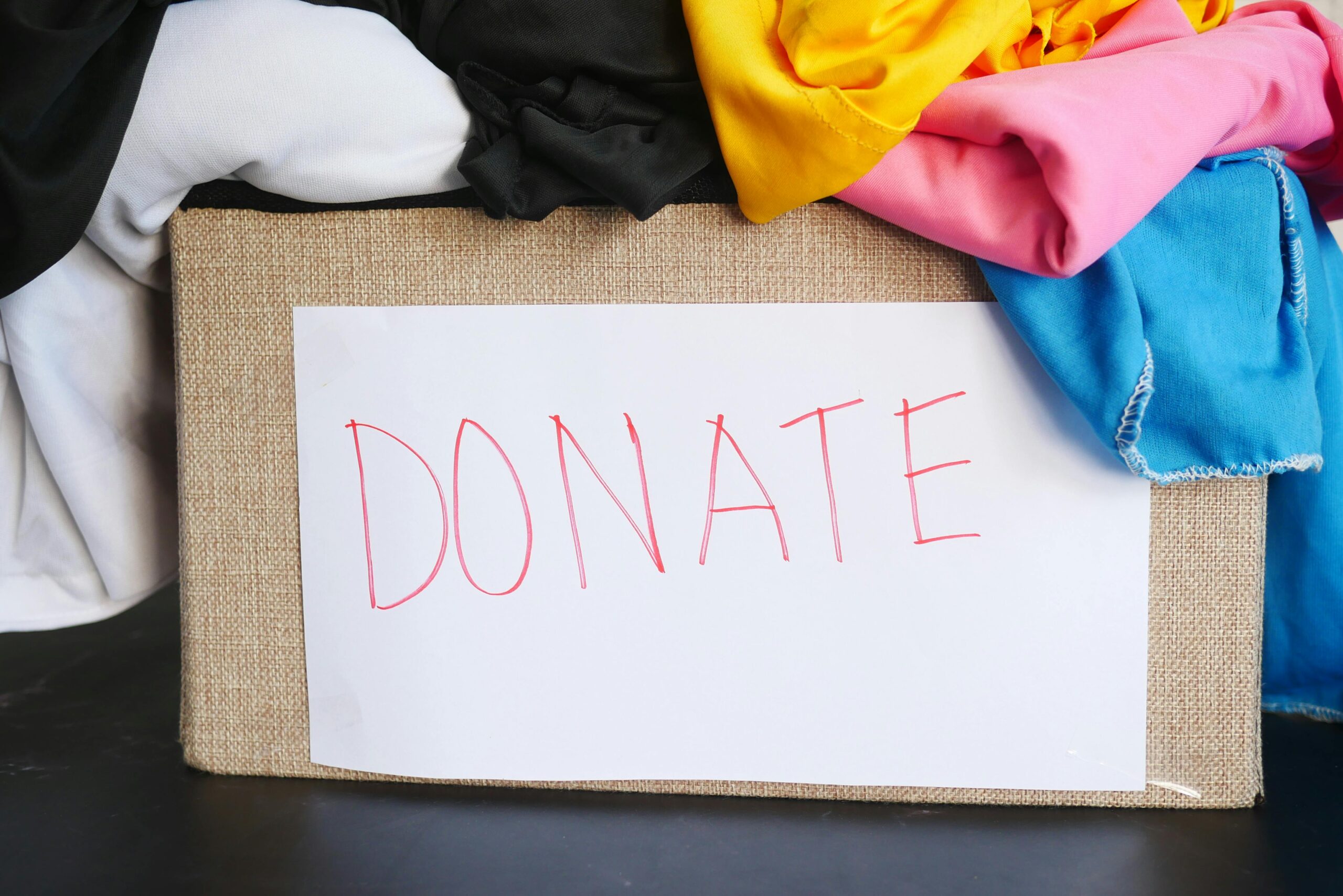
Designate a specific area in your home as a donation staging zone—a closet corner, garage space, or spare room area. As items accumulate, they’re already organized for eventual drop-off.
Set calendar reminders for quarterly or monthly donation center trips. Regular schedules prevent accumulation while maintaining steady support for community organizations.
Adopt the “one in, one out” principle—whenever acquiring new items, donate equivalent items to maintain clutter-free spaces while continuously supporting centers.
Coordinate with friends or neighbors for group donation trips. This builds community connections while making logistics more efficient and enjoyable.
The Ripple Effect: Understanding Your Donation’s True Impact 🌊
Individual donations create cascading positive effects extending far beyond the immediate transaction. Recognizing this broader impact reinforces the profound value of consistent giving.
A single donated professional outfit might help someone secure employment, lifting an entire family from poverty’s grip. That job provides income, stability, and hope—all stemming from your closet cleanout.
Donated furniture transforms a shelter’s institutional space into a home, providing psychological comfort alongside physical utility. Children studying at donated desks improve academically, unlocking future opportunities.
Environmental benefits multiply as donations divert items from landfills, reduce manufacturing demand through reuse, and lower carbon footprints associated with producing new goods.
Community cohesion strengthens as donation centers become gathering places where volunteers, donors, and recipients interact, building social capital and mutual understanding across socioeconomic boundaries.
Your local donation center represents more than a drop-off location—it’s a community lifeline connecting excess with need, transforming unused items into opportunities, and weaving stronger social fabric one donation at a time. By engaging thoughtfully with these vital institutions, you become an active participant in creating the compassionate, sustainable, supportive community we all deserve.
Start today by identifying donation centers near you, gathering items ready for new homes, and taking that first step toward simplified, impactful giving. Your community is waiting, and the difference you’ll make begins with a single box, bag, or item offered with generosity and care.