
Construction debris audits are transforming how contractors manage waste, reduce costs, and meet sustainability goals. This essential practice is no longer optional in modern construction.

The construction industry generates approximately 600 million tons of debris annually in the United States alone. Understanding how to conduct effective debris audits can dramatically impact your project’s bottom line while contributing to environmental preservation. Whether you’re a project manager, contractor, or sustainability coordinator, mastering construction debris audits will position you ahead of regulatory requirements and client expectations.
🏗️ What is a Construction Debris Audit and Why Does It Matter?
A construction debris audit is a systematic evaluation of waste materials generated during construction, renovation, or demolition projects. This process involves identifying, categorizing, weighing, and documenting all waste streams to understand what’s being discarded and where improvements can be made.
The importance of debris audits extends beyond simple waste tracking. These assessments provide critical data that helps construction teams make informed decisions about material procurement, waste diversion strategies, and disposal methods. By understanding your waste composition, you can identify opportunities to reduce, reuse, and recycle materials that would otherwise end up in landfills.
Modern construction projects face increasing pressure from multiple stakeholders. Municipalities enforce stricter waste diversion requirements, clients demand sustainable building practices, and certification programs like LEED require documented waste management strategies. Construction debris audits serve as the foundation for meeting these expectations while uncovering hidden cost savings.
The Financial Benefits: How Audits Save Money 💰
Construction debris audits directly impact your project’s profitability. The average construction project can reduce waste disposal costs by 25-50% through effective audit-based waste management strategies. These savings come from multiple sources that compound over the project lifecycle.
First, audits reveal over-ordering patterns. Many contractors discover they’re purchasing 10-15% more materials than necessary, which eventually becomes waste. By identifying these patterns, procurement strategies can be adjusted to order more precisely, reducing both material costs and disposal fees.
Second, waste hauling represents a significant expense. When you understand your waste composition, you can negotiate better rates with waste management companies, consolidate pickups, and separate valuable recyclables that might generate revenue instead of costs. Some materials like metals, clean wood, and cardboard can be sold to recyclers, transforming a cost center into a revenue source.
Hidden Cost Recovery Opportunities
Beyond direct disposal savings, debris audits uncover indirect financial benefits. Labor efficiency improves when waste management systems are streamlined based on audit findings. Workers spend less time sorting through mixed waste when proper separation systems are implemented from the start.
Insurance premiums may decrease when companies demonstrate robust waste management practices, as organized sites present fewer safety hazards. Additionally, projects that meet sustainability benchmarks often qualify for tax incentives, grants, and expedited permitting processes that further reduce overall costs.
Environmental Impact: Building a Sustainable Legacy 🌱
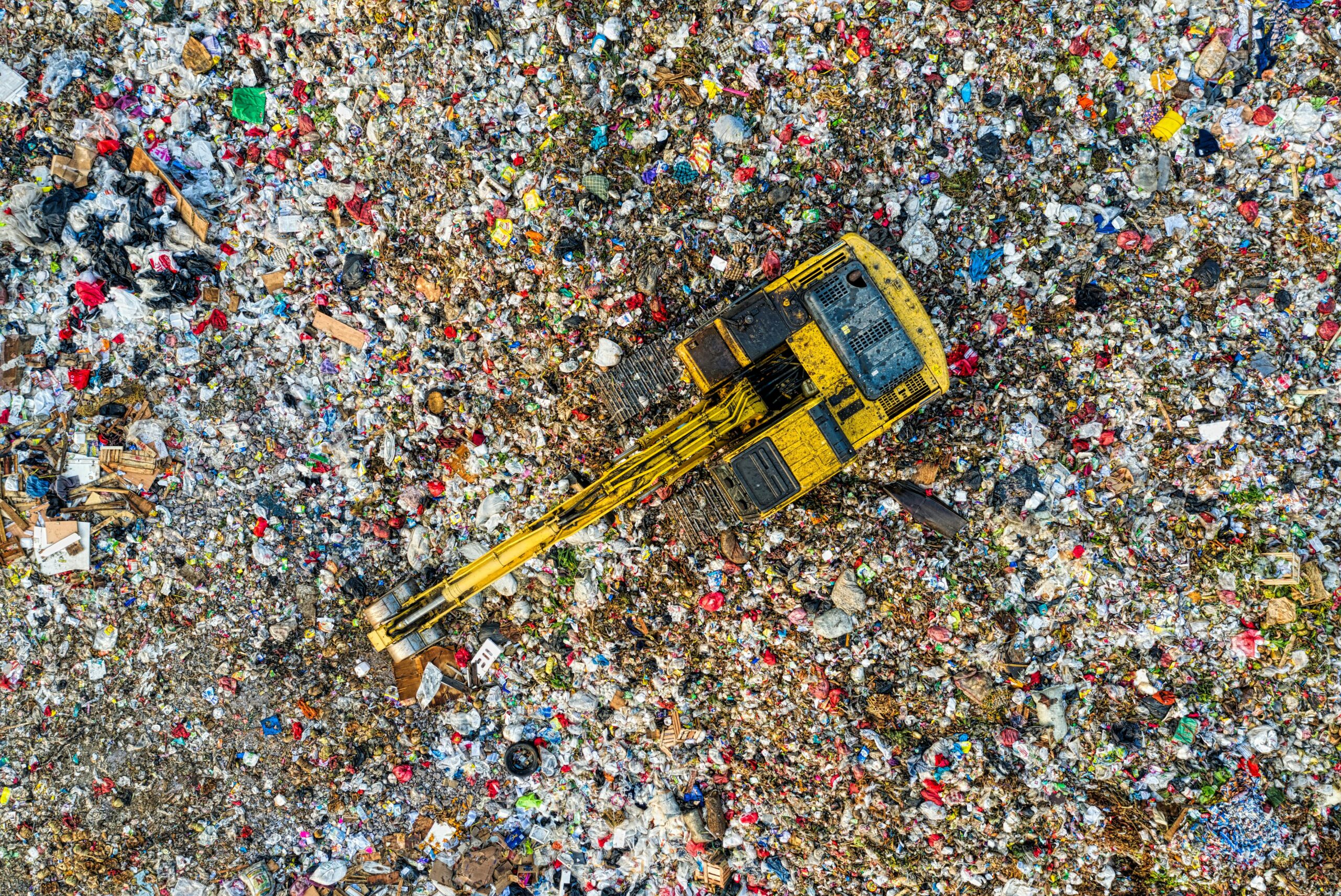
The construction industry accounts for approximately 40% of global waste generation. Every ton of construction debris diverted from landfills represents a significant environmental achievement. Debris audits provide the roadmap for maximizing this diversion and minimizing your project’s ecological footprint.
Landfills create numerous environmental problems beyond space consumption. As organic materials decompose, they generate methane, a greenhouse gas 25 times more potent than carbon dioxide. Construction debris often contains hazardous materials that can leach into soil and groundwater. By auditing and properly managing these waste streams, construction projects protect local ecosystems and contribute to broader climate goals.
Recycling construction materials conserves natural resources and reduces energy consumption. Manufacturing products from recycled materials typically requires significantly less energy than producing them from virgin resources. For example, recycling steel saves 74% of the energy needed to produce it from raw materials, while recycled concrete reduces cement production energy by up to 60%.
Essential Steps to Conduct an Effective Debris Audit 📋
Implementing a construction debris audit requires systematic planning and execution. The process begins long before demolition or construction activities commence and continues throughout the project lifecycle.
Pre-Project Planning Phase
Successful debris audits start with setting clear objectives. Determine what you want to achieve: specific diversion rates, cost reduction targets, or certification requirements. These goals will guide your audit methodology and data collection approach.
Establish baseline metrics by reviewing historical data from similar projects. Understanding typical waste generation rates for your project type provides context for setting realistic targets and measuring improvement. If historical data isn’t available, industry benchmarks can serve as starting points.
Designate a waste management coordinator responsible for overseeing the audit process. This person should have authority to implement changes, work with subcontractors, and ensure compliance with the waste management plan. Clear accountability ensures the audit delivers actionable results rather than just documentation.
Implementation and Data Collection
During active construction, implement systematic waste tracking procedures. This includes establishing designated sorting areas on site, clearly labeling waste containers, and training all workers on proper waste segregation practices. Visual guides and multilingual signage improve compliance among diverse construction crews.
Data collection methods vary based on project size and resources. Large projects might invest in digital tracking systems or specialized software, while smaller projects can use spreadsheet templates and manual measurements. Regardless of methodology, consistency is crucial for accurate analysis.
Regular sampling provides representative data without requiring measurement of every waste container. Weekly or bi-weekly samples, where waste is sorted, categorized, and weighed, generate reliable composition data while remaining practical to implement. Document weights, material types, disposal methods, and associated costs for comprehensive analysis.
Key Materials to Track in Your Audit 🔍
Not all construction waste offers equal opportunity for improvement. Focusing your audit on high-volume and high-value materials maximizes return on effort. Understanding which materials warrant detailed tracking helps prioritize resources effectively.
Concrete and masonry typically represent the largest volume of construction debris. While heavy, these materials are highly recyclable and can be crushed for use as aggregate in new concrete, road base, or landscaping applications. Tracking concrete waste often reveals significant diversion opportunities.
Wood is another major waste stream with multiple end-of-life options. Clean dimensional lumber can be reused on site or donated, while contaminated or composite wood might be chipped for mulch or biomass fuel. Separating treated from untreated wood is essential, as treated lumber requires special handling due to chemical content.
Metals including steel, copper, aluminum, and rebar should always be separated for recycling. These materials command strong market prices and recycling them is both environmentally and economically beneficial. Even small quantities of copper or aluminum can generate meaningful revenue when accumulated across a project.
Special Consideration Materials
Certain materials require careful attention due to regulatory requirements or environmental concerns. Asbestos, lead paint, and other hazardous materials must be identified, documented, and disposed of according to strict regulations. Failing to properly handle these materials can result in significant fines and project delays.
Drywall or gypsum board contains sulfates that can generate hydrogen sulfide gas in landfills. Many facilities now ban or charge premium rates for drywall disposal, making recycling increasingly important. Clean gypsum can be recycled into new drywall or used as soil amendment in agriculture.
Technology Tools for Streamlining Debris Audits 📱
Digital solutions have revolutionized construction debris auditing, making data collection more accurate and analysis more insightful. Modern tools range from simple mobile applications to comprehensive construction management platforms with integrated waste tracking modules.
Mobile applications allow field personnel to document waste in real-time using smartphones or tablets. These tools typically include photo capture, weight estimation, GPS location tagging, and cloud synchronization. Real-time data entry eliminates the lag between waste generation and documentation, improving accuracy and enabling quicker decision-making.
Some specialized platforms use artificial intelligence and image recognition to identify and categorize waste materials automatically. While these advanced systems require initial investment, they significantly reduce labor requirements for large projects and provide unprecedented data consistency.
For projects seeking LEED certification or other green building credentials, certain platforms automatically generate required documentation and reports. This integration streamlines the certification process and ensures audit data meets program requirements without manual reformatting.
Creating Actionable Reports from Audit Data 📊
Raw audit data becomes valuable only when transformed into actionable insights. Effective reporting communicates findings to diverse stakeholders and drives meaningful improvements in waste management practices.
Visual presentations make complex data accessible. Charts showing waste composition by material type, diversion rates over time, and cost comparisons between disposal methods communicate key findings at a glance. Graphs comparing current performance to project goals highlight progress and areas needing attention.
| Material Type | Percentage of Total Waste | Diversion Rate | Cost Impact |
|---|---|---|---|
| Concrete/Masonry | 45% | 90% | -$15,000 savings |
| Wood | 25% | 65% | -$8,000 savings |
| Metal | 10% | 95% | +$5,000 revenue |
| Drywall | 12% | 40% | -$3,000 savings |
| Mixed/Other | 8% | 20% | -$2,000 savings |
Narrative reports should include executive summaries for leadership, detailed methodology sections for technical reviewers, and specific recommendations for implementation teams. Tailoring content to audience needs ensures report findings drive action rather than sitting unread in project files.
Common Challenges and How to Overcome Them 🛠️
Despite clear benefits, construction debris audits face implementation challenges. Understanding common obstacles and proven solutions helps ensure your audit program succeeds where others struggle.
Worker compliance represents the most frequent challenge. Construction crews focused on productivity may view waste sorting as burdensome additional work. Overcoming this resistance requires clear communication about audit benefits, visible leadership commitment, and recognition programs that celebrate proper waste management practices.
Site constraints, particularly in urban environments, limit space for multiple waste containers and sorting areas. Creative solutions include using smaller, more numerous containers, scheduling more frequent pickups, and coordinating with adjacent projects to share waste management infrastructure. Some projects implement just-in-time material delivery to minimize on-site storage and associated waste.
Data Accuracy and Consistency Issues
Maintaining data quality across project phases and multiple crew shifts requires robust systems and clear protocols. Standardized data collection forms, regular calibration of measurement tools, and periodic validation checks ensure audit data remains reliable. Assigning specific individuals to data collection roles, rather than treating it as an ancillary duty, significantly improves consistency.
Weather conditions can complicate outdoor waste sorting and weighing. Developing contingency procedures for adverse weather, such as covered sorting areas or postponement protocols, prevents gaps in data collection. Some projects use volumetric estimation methods during weather events, later validating with weight-based measurements.
Regulatory Compliance and Certification Benefits ✅
Construction debris audits help projects meet increasingly stringent waste management regulations. Many municipalities now require construction waste management plans, minimum diversion rates, or waste audit documentation for permit approval. Proactive audit implementation ensures compliance while avoiding penalties and project delays.
Green building certification programs heavily emphasize construction waste management. LEED certification awards multiple points for waste diversion achievements, with documentation requirements perfectly aligned with comprehensive debris audits. Projects pursuing LEED or similar certifications find that robust audit programs simplify documentation and increase point attainment.
Some jurisdictions offer incentive programs for projects exceeding minimum waste diversion requirements. These might include expedited permitting, reduced fees, or public recognition. Debris audits provide the documentation needed to access these programs and quantify achievements for marketing and public relations purposes.
Scaling Audits from Small Projects to Large Developments 📈
Debris audit approaches must be scaled appropriately to project size and complexity. A single-family home renovation requires different methodology than a commercial high-rise development, though fundamental principles remain constant.
Small projects benefit from simplified audit approaches. Basic categorization into recyclables, reusables, and landfill waste may suffice, with periodic weight measurements rather than continuous tracking. Even limited data collection provides valuable insights for small contractors and homeowners pursuing sustainable practices.
Large developments require sophisticated audit systems with dedicated personnel, specialized software, and detailed tracking across multiple phases and contractors. These projects justify greater investment in audit infrastructure because waste volumes and associated costs are substantially higher, creating proportionally larger savings opportunities.
Training Your Team for Audit Success 👷
Human factors determine audit success or failure. Comprehensive training ensures everyone understands their role in the waste management system and feels motivated to participate effectively.
Initial training should occur during project orientation, before work begins. Cover the waste management plan overview, specific sorting requirements, container locations, prohibited items, and individual responsibilities. Visual demonstrations of proper sorting techniques prove more effective than verbal instructions alone.
Ongoing reinforcement maintains compliance as projects progress and crews change. Weekly toolbox talks can address specific waste management topics, highlight successes, and correct problems observed during the previous week. Posting waste diversion metrics in visible locations creates awareness and friendly competition among crews.
Future Trends in Construction Waste Management 🚀
The construction debris audit landscape continues evolving with technological advancement and changing environmental priorities. Understanding emerging trends helps future-proof your waste management strategies.
Circular economy principles are increasingly influencing construction practices. This approach views waste as raw material for other processes, emphasizing design for deconstruction, material reuse, and closed-loop recycling. Future audits will likely track not just what’s discarded, but how materials flow through multiple use cycles.
Blockchain technology promises enhanced waste tracking transparency and accountability. Immutable records of material origins, uses, and disposal methods could verify environmental claims and facilitate material marketplaces. While still emerging, blockchain applications in construction waste management warrant monitoring.
Artificial intelligence and machine learning will continue improving audit efficiency and insight generation. Predictive models based on historical audit data could forecast waste generation, optimize material ordering, and recommend real-time adjustments to waste management strategies. These technologies will make debris audits increasingly proactive rather than reactive.
Taking Action: Implementing Your First Audit Today 🎯
Starting your construction debris audit program doesn’t require massive investment or complete system overhauls. Beginning with modest steps builds capability and demonstrates value before scaling up.
Select a pilot project for your initial audit implementation. Choose a project large enough to generate meaningful data but small enough to manage learning curve challenges. Document lessons learned and refine procedures before expanding to additional projects.
Develop a simple waste management plan outlining material categories, separation procedures, and tracking methods. Even a one-page document provides structure and communicates expectations to project teams. Templates and examples are widely available from industry associations and green building organizations.
Partner with progressive waste management companies who support diversion goals. Many haulers offer expertise, resources, and reporting tools that enhance your audit program. The right waste management partner becomes a valuable collaborator rather than just a service provider.
Construction debris audits represent a fundamental shift toward smarter, more sustainable building practices. By systematically understanding waste generation patterns, construction professionals unlock significant cost savings while reducing environmental impact. The initial investment in audit systems pays dividends through reduced disposal costs, recovered material value, and enhanced reputation among environmentally conscious clients.
As regulatory requirements tighten and sustainability expectations rise, debris audits transition from competitive advantage to business necessity. Projects that master these practices today position themselves for long-term success in an industry increasingly defined by resource efficiency and environmental stewardship. The question is no longer whether to conduct debris audits, but how quickly you can implement them to start realizing benefits.
Begin your debris audit journey with the next project. Start simple, track consistently, analyze honestly, and improve continuously. The construction industry’s sustainable future is built one well-managed project at a time, and your commitment to effective debris audits contributes meaningfully to that transformation.