Creating a sustainable home doesn’t mean sacrificing style. The eco-chic movement proves that environmental consciousness and aesthetic appeal can coexist beautifully in modern interior design.

Today’s homeowners are increasingly seeking ways to reduce their environmental footprint while maintaining spaces that reflect their personal style and values. The intersection of sustainability and design has given birth to a new approach: eco-chic harmony. This philosophy embraces natural materials, ethical sourcing, and color palettes inspired by the earth itself, creating interiors that nourish both the soul and the planet.
🌿 Understanding Eco-Chic Design Philosophy
Eco-chic design represents more than just a trend—it’s a lifestyle choice that prioritizes environmental responsibility without compromising on sophistication. This approach to interior design considers the entire lifecycle of products, from sourcing and manufacturing to disposal and recyclability. The color palette plays a crucial role in achieving this harmony, as colors derived from natural sources and earth-inspired tones create spaces that feel both contemporary and timeless.
The foundation of eco-chic harmony lies in selecting colors that reflect nature’s own palette. These hues tend to be calming, versatile, and enduring, avoiding the need for frequent redecorating—which itself is a sustainable practice. By choosing colors inspired by forests, oceans, deserts, and mountains, you create a connection between your interior space and the natural world outside.
The Psychology Behind Sustainable Color Choices
Color psychology plays a significant role in how we experience our living spaces. Natural, earth-toned color palettes have been scientifically proven to reduce stress, promote relaxation, and enhance overall well-being. When you surround yourself with colors found in nature—soft greens, warm terracottas, ocean blues, and sandy neutrals—your brain recognizes these as safe, familiar environments.
These sustainable color choices also tend to be more forgiving and adaptable over time. Unlike trendy neon shades or ultra-saturated colors that quickly feel dated, earth-inspired palettes maintain their appeal across seasons and years. This longevity is itself a sustainable quality, reducing the waste associated with frequent renovations and repainting projects.
🎨 Essential Sustainable Color Palettes for Every Room
The Earthy Neutral Foundation
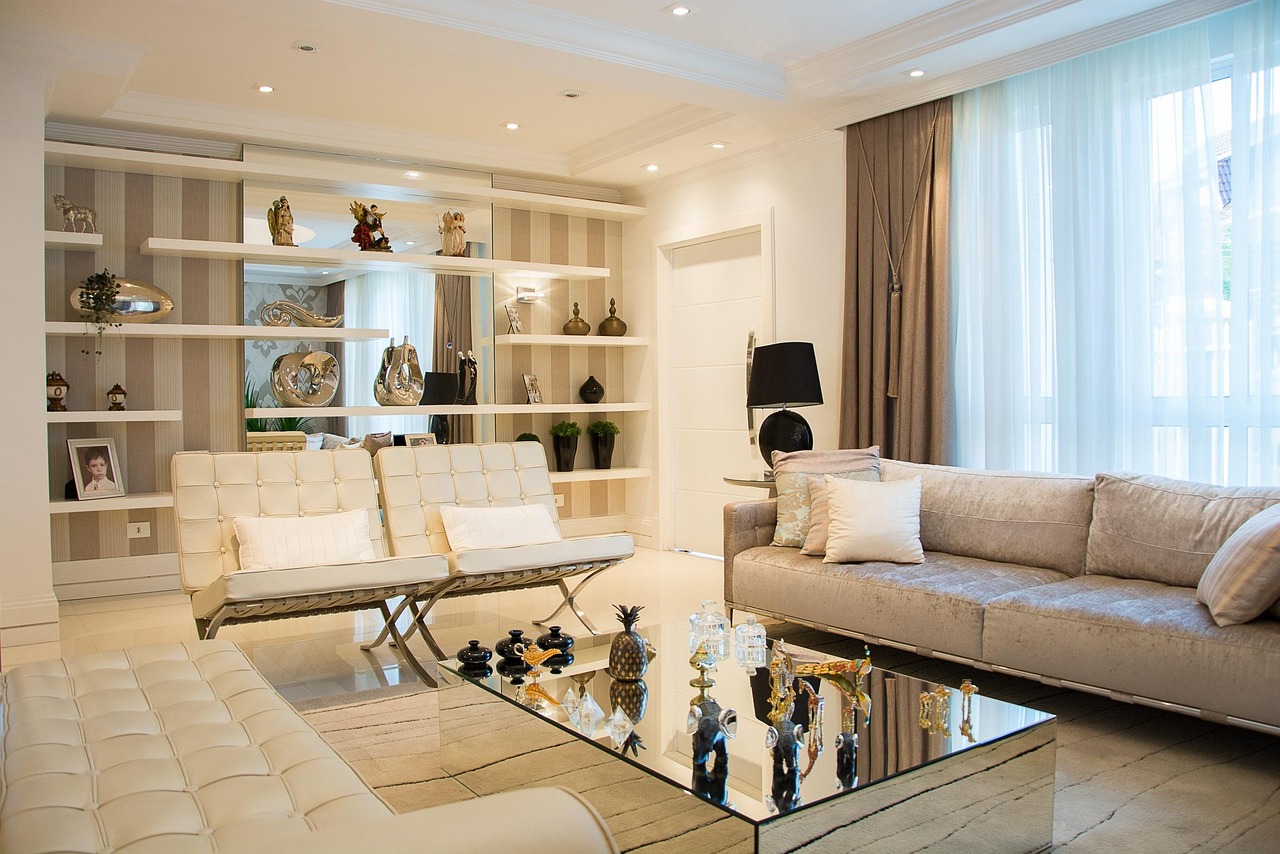
Neutral colors form the backbone of sustainable interior design. Think beyond basic beige and explore the rich variety of earth-inspired neutrals available. Warm taupes, soft greys with brown undertones, creamy ivories, and gentle mushroom tones create versatile foundations that work with virtually any decorating style. These colors are timeless, making them perfect for larger surfaces like walls and flooring that you won’t want to change frequently.
The beauty of neutral palettes lies in their flexibility. They serve as the perfect canvas for introducing pops of color through easily changeable elements like cushions, throws, and artwork. This approach allows you to refresh your space seasonally without undertaking major renovation projects, significantly reducing waste and environmental impact.
Forest Green and Botanical Hues
Green represents the ultimate sustainable color, quite literally bringing the outdoors inside. From deep forest greens to soft sage and olive tones, this color family creates calming, restorative environments. Dark green works beautifully as an accent wall in living rooms or bedrooms, while lighter mint and sage greens are perfect for kitchens and bathrooms where you want to create a fresh, clean atmosphere.
Incorporating botanical greens alongside natural wood tones and live plants creates a cohesive, biophilic design that has been shown to improve air quality, boost mood, and increase productivity. This color palette works exceptionally well with natural materials like bamboo, cork, and reclaimed wood, reinforcing the sustainable ethos throughout your space.
Ocean-Inspired Blues and Aquas
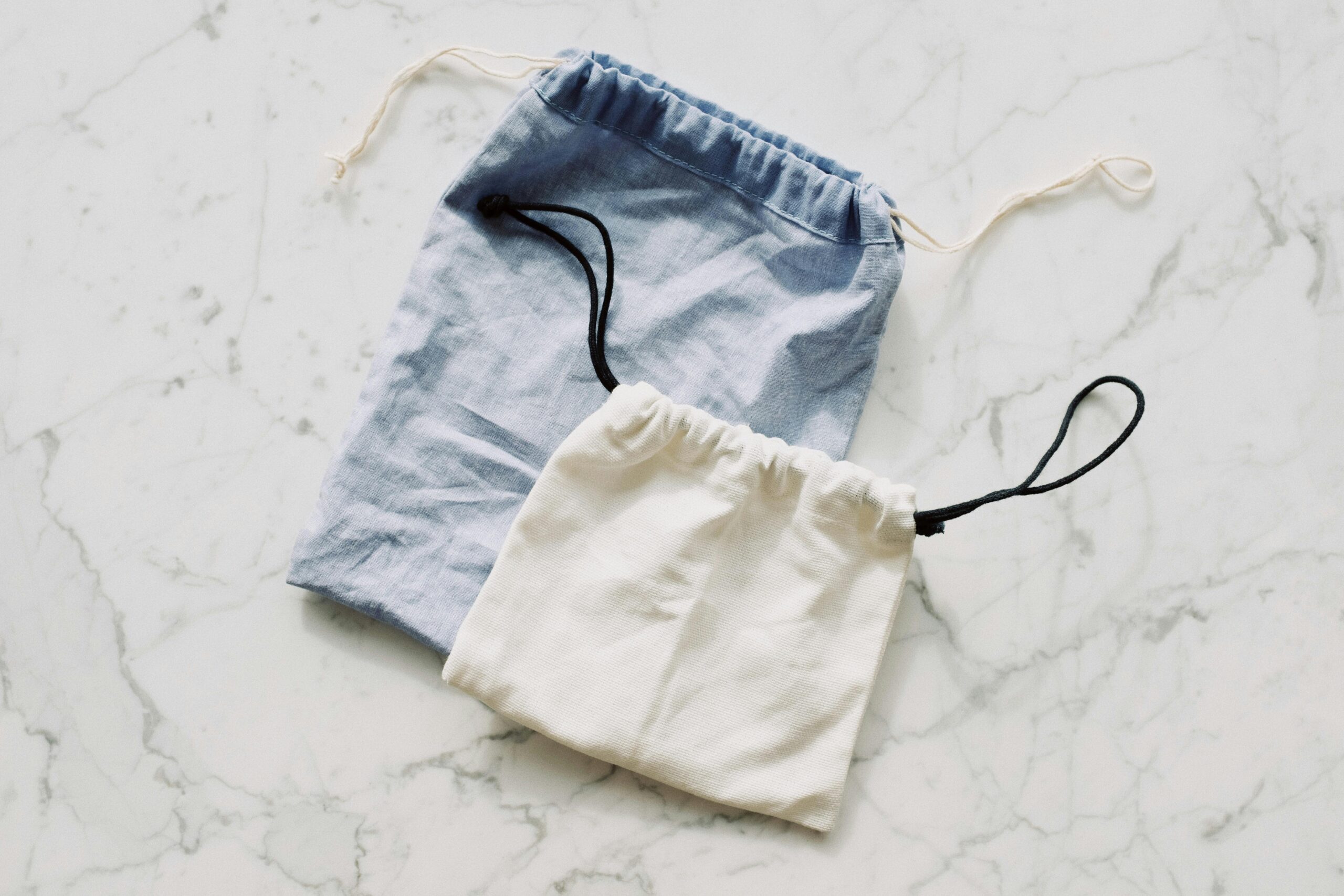
Water-inspired colors bring tranquility and freshness to interior spaces. From deep navy to soft aqua and everything in between, blue tones create serene environments perfect for bedrooms and bathrooms. These colors pair beautifully with natural fibers like linen and organic cotton, materials that are both sustainable and stylish.
Consider using deeper blues for dramatic accent walls or cabinetry, while reserving lighter aquas and sky blues for larger surfaces. The versatility of blue makes it an excellent choice for families, as it tends to appeal across age groups and genders, reducing the need for frequent room makeovers as children grow.
Terracotta and Warm Earth Tones
The warm embrace of terracotta, rust, and clay-inspired colors has experienced a resurgence in sustainable design. These hues bring warmth and comfort to spaces while celebrating natural materials like clay, ceramic, and sun-baked earth. Terracotta works beautifully in dining rooms and living spaces, creating inviting atmospheres perfect for gathering.
These warm tones pair exceptionally well with natural textures like jute, sisal, and raw linen. When sourcing paints in these colors, look for brands that use natural pigments and low-VOC formulations to maintain your space’s eco-friendly credentials while achieving rich, saturated colors.
🏡 Implementing Sustainable Colors Throughout Your Home
Living Spaces That Breathe
Your living room serves as the heart of your home, making it the perfect place to showcase your commitment to eco-chic design. Start with a neutral base on walls—think warm white or soft greige—then layer in deeper earth tones through furniture and textiles. A terracotta-colored sofa or sage green armchair becomes a statement piece that grounds the room in natural beauty.
Add depth with accessories in complementary earth tones: mustard yellow cushions, rust-colored throws, or deep teal accent pieces. The key is maintaining balance—allow neutral tones to dominate while using bolder natural colors strategically to create visual interest without overwhelming the space.
Bedrooms as Natural Sanctuaries
Bedrooms benefit immensely from calming, nature-inspired color palettes. Soft blues and greens promote restful sleep, while warm neutrals create cozy cocoons perfect for relaxation. Consider a feature wall in a deeper tone—forest green or slate blue—behind your bed, with the remaining walls in a complementary lighter shade.
Choose bedding in organic cotton or linen in natural, undyed tones or subtle earth colors. This approach not only supports sustainable textile production but also creates a cohesive, peaceful environment conducive to quality sleep. Layer different shades of the same color family for a sophisticated, monochromatic look that never goes out of style.
Kitchens with Environmental Consciousness
The kitchen presents unique opportunities for incorporating sustainable colors. White and light neutral cabinets remain popular for good reason—they reflect light, making spaces feel larger and brighter while providing a clean backdrop for food preparation. However, don’t shy away from introducing color through sustainable means.
Consider painting a single wall or island in a bold earth tone like deep teal or terracotta. Open shelving displaying ceramic dishes in natural glazes adds both color and functionality. Opt for countertops in natural materials that showcase earth-inspired colors—think recycled glass surfaces in ocean blues or composite materials that incorporate natural stone in warm grey and brown tones.
Bathrooms That Reflect Natural Elements
Bathrooms naturally lend themselves to water-inspired color palettes. Soft aquas, seafoam greens, and sandy beiges create spa-like atmospheres that promote relaxation and self-care. Use natural stone tiles in grey and tan tones for flooring and shower surrounds, allowing the inherent color variations in the stone to provide visual interest.
Pair these cool tones with warm wood accents in vanities or shelving to prevent the space from feeling cold. Choose low-VOC paints in moisture-resistant formulations for walls, and consider natural plaster finishes that regulate humidity while providing beautiful, subtle texture and color variation.
♻️ Sourcing Sustainable Paint and Materials
Choosing Eco-Friendly Paint Products
Not all paints are created equal when it comes to environmental impact. Traditional paints contain volatile organic compounds (VOCs) that release harmful chemicals into the air for years after application. Fortunately, the market now offers numerous eco-friendly alternatives that deliver beautiful color without compromising air quality.
Look for paints labeled as zero-VOC or low-VOC, and seek out brands that use natural pigments derived from minerals, plants, and earth. Some companies even offer paints made from natural binders like milk protein or clay, which are completely biodegradable. These products often come in earth-inspired color ranges that perfectly suit eco-chic design schemes.
Natural Dyes and Fabric Choices
When selecting textiles, prioritize natural fibers dyed with botanical or mineral-based dyes. These materials not only reduce chemical exposure in your home but also tend to develop beautiful patinas over time rather than simply fading. Look for certifications like GOTS (Global Organic Textile Standard) or OEKO-TEX that verify sustainable and ethical production practices.
Undyed natural fabrics in their inherent colors—creamy whites from cotton, warm browns from linen, golden tones from hemp—provide beautiful neutral foundations. When you do choose dyed textiles, select earth tones that work with your overall palette, ensuring longevity and versatility in your design scheme.
🌱 Creating Color Harmony with Living Elements
The Role of Plants in Eco-Chic Design
No sustainable color palette is complete without the vibrant greens of living plants. Indoor plants serve multiple purposes: they purify air, add natural color that never feels artificial, and create dynamic visual interest as they grow and change. Consider plants as part of your color strategy, selecting varieties with foliage that complements your chosen palette.
Plants with silvery-green leaves like eucalyptus or sage pair beautifully with cool-toned palettes, while those with warmer, darker green foliage complement terracotta and rust color schemes. Flowering plants can introduce seasonal color pops without permanent commitment, allowing you to experiment with brighter hues through nature’s own palette.
Natural Wood Tones as Color Elements
Wood brings warmth, texture, and color to sustainable interiors. Different wood species offer varying tones—from the pale blondes of ash and maple to the rich chocolates of walnut and the reddish hues of cherry. When selecting wood furniture and finishes, consider how these natural tones interact with your wall colors and textiles.
Lighter woods pair beautifully with cooler color palettes, creating Scandinavian-inspired spaces that feel fresh and airy. Darker woods ground warmer color schemes, adding depth and sophistication. Always choose FSC-certified woods or reclaimed materials to ensure your beautiful natural tones come from sustainable sources.
📱 Tools and Resources for Planning Your Sustainable Palette
Digital tools can help you visualize and plan your eco-chic color scheme before committing to purchases. Several apps allow you to experiment with different color combinations, test paint colors virtually on your walls, and create mood boards that incorporate sustainable materials and finishes.
Many paint manufacturers now offer visualization tools that let you upload photos of your space and digitally try different colors. This reduces waste from purchasing multiple sample pots and helps you make confident decisions about your sustainable color choices. Look for apps that specifically focus on natural and eco-friendly color palettes to stay aligned with your sustainable design goals.
🎯 Practical Tips for Long-Lasting Eco-Chic Spaces
Designing for Longevity
The most sustainable design choice is one that endures. By selecting timeless earth-inspired colors and quality materials, you create spaces that remain beautiful and relevant for years, even decades. Avoid trendy colors that quickly date your space, instead opting for classic natural tones that transcend passing fads.
Invest in higher-quality paints and materials that will last longer and maintain their appearance with minimal maintenance. While sustainable products sometimes carry higher upfront costs, their durability and reduced environmental impact make them wise long-term investments.
Adapting Your Palette Seasonally
One advantage of earth-inspired neutral foundations is the ease of seasonal updates. In summer, introduce lighter linens in sky blue or soft sage. Come autumn, swap in terracotta cushions and rust-colored throws. This approach keeps your space feeling fresh without requiring major changes, and these seasonal textiles can be stored and reused year after year.
Create a collection of accessories in different earth tones that work with your foundational palette. Cushion covers, throws, artwork, and decorative objects can be rotated seasonally, providing variety while maintaining your commitment to sustainable design principles.
🌍 The Broader Impact of Sustainable Design Choices
Choosing eco-chic color palettes and sustainable materials extends beyond personal aesthetics—it represents a commitment to environmental stewardship. Every gallon of low-VOC paint, every organic textile, and every piece of sustainably sourced furniture contributes to reducing harmful chemical production, supporting ethical manufacturing, and decreasing waste.
Your design choices influence markets and manufacturers. As demand for sustainable products increases, more companies invest in eco-friendly production methods and materials. By embracing earth-inspired palettes and sustainable practices, you become part of a larger movement toward environmentally responsible living that benefits both present and future generations.

Bringing It All Together: Your Eco-Chic Journey
Transforming your space with sustainable color palette inspirations is a journey, not a destination. Start with one room, experimenting with earth-inspired tones and eco-friendly materials. Notice how these colors make you feel, how they change with natural light throughout the day, and how they create harmony within your home.
Remember that sustainability in design isn’t about perfection—it’s about making more conscious choices wherever possible. Each step toward eco-chic harmony, whether choosing low-VOC paint, selecting organic textiles, or simply appreciating the natural color variations in sustainable materials, contributes to creating a healthier home and planet.
The beauty of eco-chic design lies in its inherent connection to nature. By drawing inspiration from earth’s own color palette—the greens of forests, blues of oceans, browns of soil, and neutrals of stone—you create spaces that feel inherently balanced and restorative. These colors have existed for millennia, proven their enduring appeal across cultures and time periods, making them the ultimate sustainable design choice for creating beautiful, harmonious homes that honor both style and environmental responsibility.