
Transform your living spaces into a reflection of authentic craftsmanship and cultural richness by discovering the world of local artisan decor. This comprehensive guide will walk you through everything you need to know about finding, selecting, and incorporating handmade treasures into every room of your home.

The growing desire for unique, meaningful home decor has sparked a renaissance in artisan craftsmanship. Unlike mass-produced items, local artisan pieces carry stories, personality, and a level of quality that transforms ordinary spaces into extraordinary sanctuaries. Whether you’re decorating a cozy apartment or a spacious family home, sourcing local artisan decor connects you with your community while creating an interior that truly stands out.
Why Choose Local Artisan Decor Over Mass-Produced Alternatives 🎨
Local artisan decor offers countless advantages that extend far beyond aesthetics. When you purchase handcrafted items from local makers, you’re investing in quality, sustainability, and community development simultaneously.
Artisan pieces are crafted with attention to detail that factory production simply cannot replicate. Each item reflects the maker’s skill, passion, and unique artistic vision. These pieces often feature superior materials and construction techniques passed down through generations, ensuring longevity that mass-produced alternatives rarely achieve.
From an environmental perspective, locally sourced artisan decor significantly reduces your carbon footprint. You eliminate the emissions associated with international shipping while supporting sustainable production practices that many artisans prioritize. Most craftspeople use locally sourced materials, natural dyes, and eco-friendly finishes that are healthier for your home environment.
The economic impact of supporting local artisans strengthens your community’s creative economy. Your purchases help independent makers sustain their livelihoods, preserve traditional crafts, and inspire the next generation of craftspeople. This creates a vibrant local culture that benefits everyone.
Where to Find Authentic Local Artisan Treasures
Discovering genuine local artisan decor requires knowing where to look. Today’s treasure hunters have more options than ever, both physical and digital, to connect with talented makers in their communities.
Farmers Markets and Craft Fairs
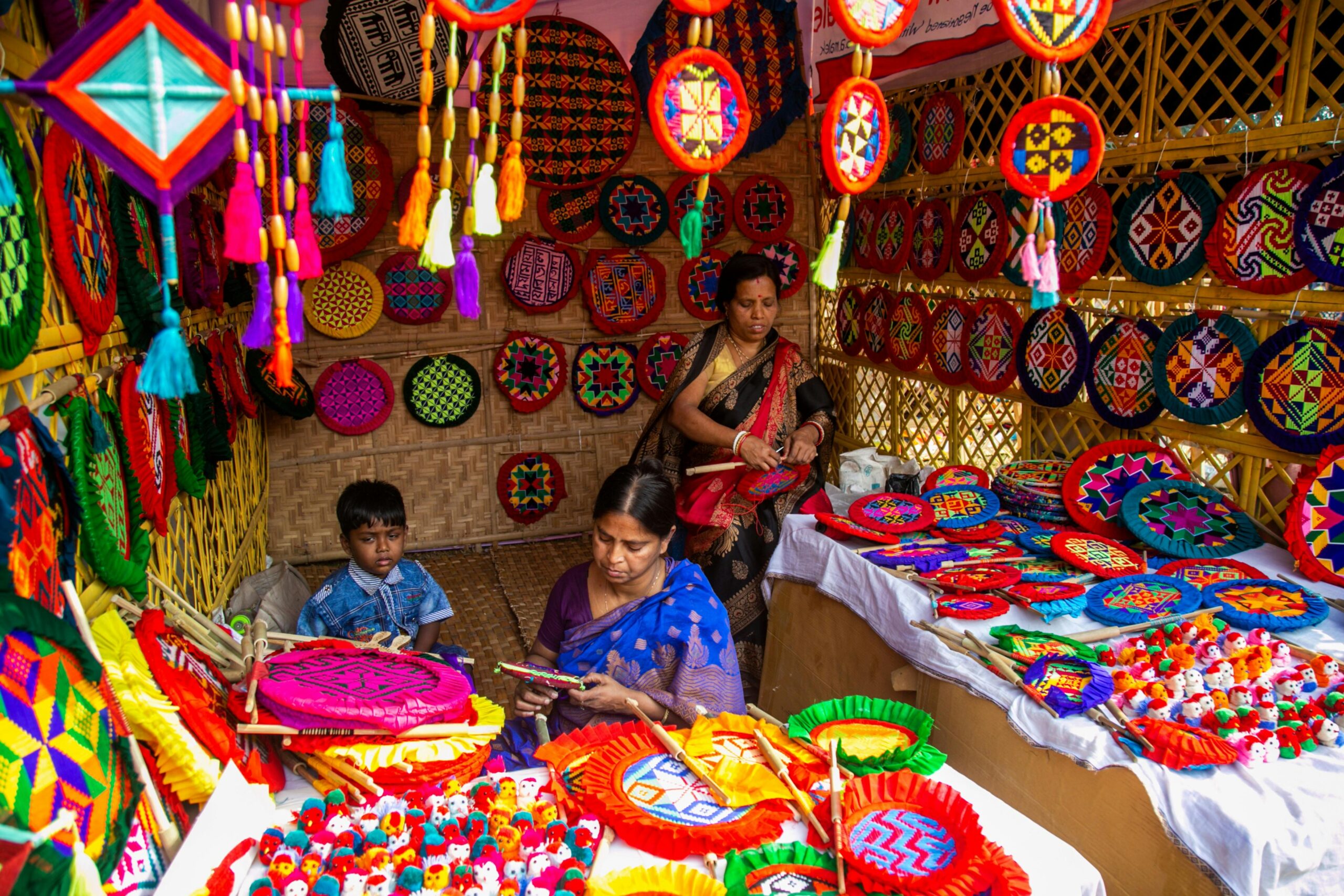
Local markets remain goldmines for discovering artisan decor. These venues allow you to meet makers personally, understand their creative process, and examine pieces closely before purchasing. Most cities host regular farmers markets with dedicated craft sections, while seasonal craft fairs showcase larger collections from multiple artisans.
Visiting during different seasons exposes you to various makers and styles. Spring markets often feature garden-inspired pieces, while winter fairs showcase cozy textiles and holiday decor. Building relationships with vendors can lead to custom commissions tailored specifically to your space.
Artist Studios and Open Studio Events
Many artisans welcome visitors to their working studios by appointment or during scheduled open studio events. These experiences offer intimate glimpses into creative processes while allowing you to view entire collections in the space where they’re born.
Studio visits often reveal pieces not yet available at markets or galleries, giving you first access to new creations. The personal connection formed during these visits enriches your appreciation of each piece’s story and craftsmanship.
Local Galleries and Cooperative Shops
Artist cooperatives and independent galleries curate selections from multiple local makers under one roof. These venues typically maintain high quality standards, ensuring you’re viewing work from established artisans with proven track records.
Gallery staff can provide valuable information about artists, techniques, and care requirements for different pieces. Many galleries also host opening receptions where you can meet featured artists and learn about their inspirations and methods.
Online Marketplaces and Social Media Platforms
Digital platforms have revolutionized artisan discovery, making it easier to find local makers without leaving home. Instagram, Facebook Marketplace, and regional online craft marketplaces connect you with artisans who may not participate in physical events.
Search hashtags like #localartisan, #handmadedecor, or location-specific tags to discover makers in your area. Many artisans showcase their processes through stories and reels, helping you appreciate the skill involved in each creation. Direct messaging allows you to inquire about custom orders, dimensions, and availability conveniently.
Matching Artisan Decor to Different Spaces in Your Home 🏡
Each room in your home presents unique opportunities for incorporating artisan decor. Understanding how to select appropriate pieces for different spaces ensures cohesive design while maximizing each item’s impact.
Living Room Focal Points
The living room deserves statement pieces that spark conversation and anchor your design scheme. Consider large-scale artisan items like handwoven wall hangings, sculptural pottery, or custom furniture pieces that reflect your personal style.
Textile artisans create stunning throws, pillows, and area rugs that add texture and warmth. Ceramic artists produce unique vases, bowls, and decorative objects that bring organic shapes and earthy tones into contemporary spaces. Wood artisans craft coffee tables, shelving units, and accent furniture with character impossible to find in retail stores.
Kitchen and Dining Areas
Functional artisan pieces shine in kitchens and dining spaces where beauty meets utility. Handmade ceramic dinnerware, wooden serving boards, and glass objects transform everyday meals into special occasions.
Look for pottery with food-safe glazes, hand-carved utensils from local wood turners, and artisan-made table linens that elevate your dining experience. Display collections of handmade mugs, bowls, or platters on open shelving to showcase craftsmanship while keeping items accessible for daily use.
Bedroom Sanctuaries
Bedrooms benefit from artisan textiles that create cozy, personalized retreats. Quilts, woven blankets, macramé wall hangings, and hand-dyed pillows add layers of texture and color that make spaces feel intimate and inviting.
Consider commissioning custom headboards from furniture makers or selecting artisan lighting fixtures that cast beautiful shadows. Jewelry organizers, mirrors, and bedside accessories crafted by local makers add functional beauty to personal spaces.
Bathroom Touches
Don’t overlook bathrooms when sourcing artisan decor. Handmade soap dishes, ceramic toothbrush holders, woven baskets, and artisan soaps transform utilitarian spaces into spa-like environments.
Small-scale artisan pieces fit perfectly in bathrooms, making them ideal rooms for beginning collectors or those working with modest budgets. Rotating seasonal items keeps the space fresh without major investment.
Outdoor Living Spaces
Patios, porches, and gardens welcome weather-resistant artisan pieces like metal sculptures, stone planters, mosaic tables, and outdoor textiles. Local makers often create pieces specifically designed for outdoor durability while maintaining aesthetic appeal.
Wind chimes, garden stakes, and decorative birdhouses add movement and interest to outdoor spaces. Weather-resistant pottery and planters showcase plants while contributing artistic elements to your landscape design.
Evaluating Quality and Authenticity in Artisan Pieces
Developing an eye for quality helps you make informed purchases that will bring lasting satisfaction. Understanding what distinguishes exceptional artisan work from amateur attempts ensures your investment yields pieces you’ll treasure for years.
Examine construction quality closely. Look for even stitching in textiles, smooth finishes on wood pieces, and consistent glazing on ceramics. Quality artisan work shows technical mastery alongside creative vision.
Ask about materials and processes. Genuine artisans happily discuss their techniques, material sources, and inspiration. This transparency indicates pride in workmanship and commitment to quality standards.
Consider functionality alongside aesthetics. Well-crafted artisan pieces balance beauty with usability. A stunning ceramic mug should feel comfortable in your hand; a beautiful chair should provide proper support.
Research fair pricing by comparing similar items from multiple makers. While artisan pieces cost more than mass-produced alternatives, prices should reflect reasonable compensation for time, skill, and materials without excessive markup.
Building Relationships with Local Artisans 🤝
Cultivating ongoing relationships with makers enhances your collecting experience while supporting their continued creativity. These connections often lead to custom commissions, early access to new work, and deeper appreciation for each piece in your collection.
Follow your favorite artisans on social media to stay updated on new releases, studio sales, and exhibition opportunities. Engage genuinely with their content by commenting thoughtfully and sharing posts that resonate with you.
Attend artist receptions, workshop demonstrations, and community events where makers gather. These casual interactions build familiarity and trust, making future purchase decisions easier and more enjoyable.
Commission custom pieces when you have specific needs or visions. Most artisans welcome custom work opportunities, allowing them to showcase their skills while creating something perfectly suited to your space. Discuss timelines, budgets, and design parameters clearly from the outset to ensure mutual satisfaction.
Provide feedback and testimonials when you’re pleased with purchases. Word-of-mouth recommendations and positive reviews help artisans build their businesses while guiding other collectors toward quality makers.
Caring for Your Artisan Decor Collection
Proper care ensures your artisan pieces maintain their beauty and functionality for generations. Different materials require specific maintenance approaches, so always ask makers for care instructions when purchasing.
Textile pieces benefit from gentle cleaning methods that preserve natural fibers and dyes. Hand-wash delicate items with mild soap, and avoid harsh chemicals that can damage handwoven or naturally dyed fabrics. Rotate displayed textiles periodically to prevent uneven fading from sunlight exposure.
Wooden artisan pieces thrive with occasional conditioning using appropriate oils or waxes. Protect wood furniture from excessive moisture and direct sunlight to prevent warping or fading. Dust regularly with soft cloths to maintain finish integrity.
Ceramic and pottery items generally require minimal maintenance but benefit from careful handling. Hand-wash pieces with decorative glazing or metallic accents rather than using dishwashers. Store carefully to prevent chipping, using felt separators between stacked plates or bowls.
Metal sculptures and decorative items may develop patinas over time, which many collectors appreciate as added character. However, if you prefer maintaining original finishes, ask makers about appropriate cleaning products and protective coatings.
Mixing Artisan Pieces with Existing Decor Styles
Artisan decor complements virtually any design aesthetic when selected thoughtfully. The key lies in identifying common threads between your existing style and potential artisan additions.
Modern minimalist spaces benefit from clean-lined artisan pieces in neutral palettes. Select sculptural ceramics, simple wooden objects, or understated textile art that adds warmth without visual clutter. The handcrafted nature of artisan work softens minimalism’s sometimes stark edges.
Traditional interiors welcome artisan pieces that reference historical techniques or classical forms. Look for furniture makers who incorporate traditional joinery, textile artists working with heritage patterns, or potters using time-honored glazing methods.
Eclectic and bohemian styles naturally embrace artisan diversity. Mix patterns, textures, and origins freely, letting handcrafted pieces from various makers create layered, collected-over-time aesthetics. The authenticity of artisan work unifies disparate elements through shared handmade quality.
Scandinavian-inspired spaces pair beautifully with artisan pieces emphasizing natural materials, functional design, and restrained color palettes. Nordic-style ceramics, simple wooden accessories, and handwoven textiles in muted tones enhance hygge-focused interiors.
Budget-Friendly Approaches to Collecting Artisan Decor 💰
Building an artisan decor collection doesn’t require unlimited funds. Strategic approaches allow you to incorporate handcrafted pieces at virtually any budget level.
Start small with affordable items like artisan soaps, candles, or small pottery pieces. These entry-level purchases let you support local makers while developing your eye for quality and style preferences without significant financial commitment.
Attend end-of-season sales at craft fairs and galleries where artisans often discount inventory. Many makers offer special pricing during studio sales or online promotions, providing opportunities to acquire pieces at reduced rates.
Consider seconds or slightly imperfect pieces that artisans sell at reduced prices. Minor glaze variations, small chips, or subtle asymmetries rarely affect functionality while making pieces more affordable. These “imperfections” often add character and uniqueness.
Invest in one quality statement piece rather than multiple lesser items. A single exceptional artisan work often impacts a space more significantly than several mediocre mass-produced alternatives at similar total cost.
Suggest artisan decor as gift options for holidays and special occasions. Direct friends and family toward specific makers or pieces you admire, building your collection through thoughtful gifts rather than solely personal purchases.
The Environmental and Social Impact of Your Choices 🌍
Every artisan purchase represents a vote for sustainable production, local economies, and human-scale creativity. Understanding these broader implications adds meaning to your collecting journey.
Local artisan production typically generates minimal waste compared to industrial manufacturing. Many makers repurpose scraps, use natural and biodegradable materials, and employ low-impact production methods that honor environmental stewardship.
Supporting local makers keeps money circulating within your community rather than flowing to distant corporations. This economic multiplier effect strengthens local business ecosystems, creating more vibrant, resilient communities.
Artisan work preserves cultural traditions and craft knowledge that might otherwise disappear. Your purchases help sustain traditional skills while encouraging innovation as makers adapt heritage techniques to contemporary tastes.
The slow production inherent in handcraft encourages mindful consumption. Rather than accumulating disposable decor, you build collections of meaningful objects with stories, longevity, and genuine value beyond mere appearance.
Creating Your Personal Artisan Decor Story
Your home should tell your unique story through carefully chosen pieces that reflect your values, experiences, and aesthetic preferences. Artisan decor facilitates this personal narrative in ways mass-produced items cannot match.
Document your collecting journey by photographing pieces in your home and recording artists’ names and stories. This practice deepens your connection to each object while creating a meaningful record for future generations who may inherit your collection.
Share your artisan finds with friends and online communities. Your enthusiasm helps other collectors discover talented makers while providing artisans with valuable exposure and word-of-mouth marketing.
Allow your collection to evolve organically rather than forcing a predetermined aesthetic. As you discover new makers and styles, your tastes will naturally develop, creating spaces that genuinely reflect your current self rather than outdated design magazines.
Remember that collecting artisan decor is ultimately about surrounding yourself with objects that bring joy, meaning, and beauty to daily life. Trust your instincts, support makers whose work resonates with you, and create spaces that feel authentically yours. The treasures you discover along this journey will transform your house into a home filled with stories, craftsmanship, and connection to the creative spirit of your community.