Bringing nature indoors transforms any living space into a sanctuary of calm and beauty. Indoor plants offer more than aesthetic appeal—they purify air, boost mood, and create connections with the natural world right within your home.

Creating a harmonious indoor plant décor requires thoughtful planning, understanding your space’s unique characteristics, and selecting the right botanical companions. Whether you’re a seasoned plant parent or just beginning your green journey, mastering the art of indoor plant styling can elevate your interior design while cultivating a healthier living environment.
🌿 Understanding Your Indoor Environment Before Adding Plants
Before purchasing your first succulent or fern, take time to assess your living space thoroughly. Every room has distinct characteristics that determine which plants will thrive and where they should be positioned for optimal growth and visual impact.
Light availability stands as the most critical factor in plant selection. Observe how natural light moves through your rooms throughout the day. South-facing windows typically receive the brightest, most direct sunlight, perfect for sun-loving species like cacti and jade plants. East-facing windows provide gentle morning light ideal for most tropical houseplants, while north-facing windows offer consistent but lower light levels suitable for shade-tolerant varieties.
Temperature fluctuations and humidity levels also play vital roles in plant health. Rooms near heating vents or air conditioning units create challenging microclimates. Bathrooms and kitchens naturally maintain higher humidity, making them excellent locations for moisture-loving plants like ferns, orchids, and prayer plants.
Measuring Your Available Space
Consider both floor space and vertical opportunities when planning your indoor garden. Small apartments benefit from hanging planters, wall-mounted installations, and multi-tiered plant stands that maximize vertical real estate. Larger homes can accommodate statement floor plants like fiddle leaf figs, monstera deliciosa, or bird of paradise specimens that serve as living sculptures.
Think about traffic patterns too. Plants positioned in high-traffic areas risk getting knocked over or damaged by passing residents and pets. Create designated plant zones that enhance your space without impeding daily movement.
Selecting the Perfect Plants for Your Lifestyle 🪴
Honest self-assessment about your commitment level prevents plant disappointment. If you travel frequently or prefer minimal maintenance routines, opt for drought-tolerant species that forgive occasional neglect. Snake plants, ZZ plants, and pothos varieties survive weeks without water and tolerate various light conditions.
For those ready to dedicate more attention to plant care, tropical beauties like calatheas, alocasias, and philodendrons offer stunning foliage patterns and textures. These plants require consistent watering schedules, humidity monitoring, and regular feeding during growing seasons.
Beginner-Friendly Plant Options
Starting with resilient varieties builds confidence and develops your green thumb gradually. Spider plants propagate easily, providing offspring to share with friends. Rubber plants tolerate various conditions while making bold visual statements with their glossy leaves. Peace lilies signal watering needs by drooping dramatically, then perking up quickly after hydration.
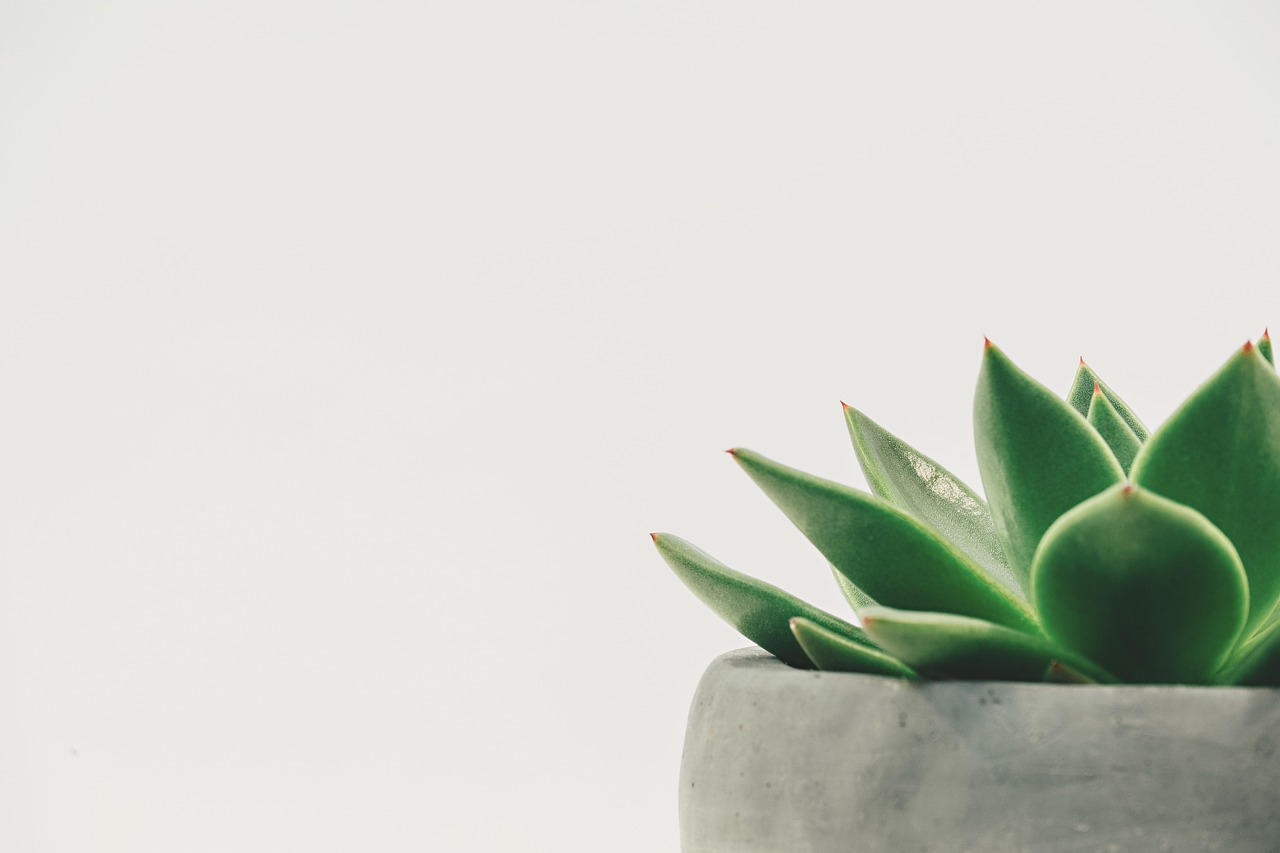
Succulents and cacti appeal to minimalist aesthetics and busy schedules, though they still require proper light and occasional watering. The common myth that these plants need zero care has led many to unintentional plant casualties.
Creating Visual Harmony Through Strategic Placement 🎨
Effective indoor plant décor balances aesthetic appeal with practical growth requirements. Group plants with similar care needs together, creating microclimates that simplify maintenance while producing visually cohesive displays.
The rule of three works beautifully in plant styling—arrange plants in odd-numbered groupings at varying heights to create dynamic visual interest. Combine trailing plants with upright growers and bushy specimens to establish depth and dimension.
Color coordination extends beyond flowers to foliage tones. Dark green leaves contrast beautifully against light walls, while variegated plants with cream or yellow patterns brighten darker corners. Purple-toned plants like tradescantia or purple oxalis add unexpected color pops without requiring blooms.
Designing Plant Vignettes
Create intentional plant displays rather than randomly scattering greenery throughout your home. A dedicated plant shelf near a bright window becomes a focal point, especially when styled with complementary pots and decorative elements. Corner arrangements transform neglected spaces into lush retreats.
Layer plants at different elevations using books, boxes, or plant stands to create depth. This technique draws the eye upward and makes collections appear more curated and intentional.
Choosing Containers That Complement Your Style 🏺
Plant containers function as decorative elements that either harmonize with or contrast against your existing interior design. Terra cotta pots offer classic appeal and excellent drainage for plants sensitive to overwatering. Their porous material allows soil to breathe and excess moisture to evaporate.
Ceramic and glazed pots provide endless color and pattern options, from minimalist white to bold geometric designs. Ensure these containers have drainage holes, or use them as decorative cache pots with nursery pots inside to prevent root rot.
Natural materials like woven baskets, wooden planters, and concrete vessels add textural interest. Baskets work particularly well for casual, bohemian aesthetics, though they require waterproof liners to protect floors and furniture.
Matching Pots to Plant Personalities
Consider plant size, growth habits, and overall aesthetics when selecting containers. Trailing plants look stunning in hanging planters or elevated positions where vines cascade freely. Top-heavy plants like snake plants need weighted, stable pots to prevent tipping.
Maintain visual cohesion by limiting your color palette to two or three complementary tones, or embrace eclectic charm with mismatched vintage finds that share a common element like material or finish.
Mastering the Art of Plant Arrangement 🌱
Professional-looking plant displays follow basic design principles that anyone can implement. Start with a focal point—typically your largest or most visually striking plant—then build around it with supporting players of varying sizes and textures.
Create rhythm and repetition by distributing similar plants or pot styles throughout a space. This technique unifies separate areas while maintaining individual character. A monstera in the living room visually connects to smaller pothos plants in adjacent spaces, creating flow.
Balancing Symmetry and Asymmetry
Formal spaces benefit from symmetrical arrangements—matching plants flanking a fireplace or identical specimens bookending a sofa. Informal, relaxed environments embrace asymmetrical groupings that feel organic and collected over time.
Negative space matters as much as filled areas. Avoid overcrowding plants, which limits air circulation and increases pest problems. Each plant should have room to display its natural form without competing with neighbors.
Incorporating Plants Into Different Room Styles 🏡
Every interior design style accommodates plants, though selection and presentation vary. Scandinavian minimalism pairs beautifully with simple plants in neutral containers—think single-stem specimens in ceramic pots against white walls. The focus remains on clean lines and intentional simplicity.
Bohemian spaces embrace abundance with mixed plant collections, macramé hangers, and layered textures. Combine leafy tropicals with trailing vines and flowering plants for maximum visual richness.
Modern industrial aesthetics call for architectural plants like snake plants or sculptural cacti in concrete or metal containers. The contrast between organic forms and hard materials creates compelling visual tension.
Traditional and Transitional Spaces
Classic interiors welcome plants as refined accents rather than bold statements. Elegant orchids, topiary herbs, and well-groomed topiaries suit traditional décor. Place them in classic containers like blue and white porcelain or antique brass planters.
Transitional spaces bridging traditional and contemporary styles benefit from versatile plants like fiddle leaf figs, rubber plants, or bird of paradise specimens that feel both timeless and current.
Seasonal Rotation and Refreshing Your Plant Display 🔄
Keep your indoor garden dynamic by rotating plants seasonally. Move specimens to different locations based on changing light patterns as seasons shift. Plants summering near south windows may prefer gentler light during intense summer months.
Introduce seasonal blooming plants for temporary color bursts. Amaryllis and paperwhites brighten winter months, while spring brings tulip and hyacinth forcing opportunities. These temporary additions refresh your plant palette without long-term commitment.
Regular editing maintains visual appeal. Remove struggling plants, propagate favorites, and rearrange groupings periodically. Fresh perspectives often reveal new styling opportunities you previously overlooked.
Solving Common Indoor Plant Décor Challenges 🔧
Low-light spaces present the most frequent challenge for plant enthusiasts. Rather than accepting bare corners, embrace shade-tolerant varieties like pothos, snake plants, and cast iron plants. Supplement natural light with grow lights disguised as stylish lamps for both function and ambiance.
Pet-friendly plant selection requires careful research, as many common houseplants prove toxic to cats and dogs. Safe alternatives include spider plants, Boston ferns, prayer plants, and most palms. Elevating plants beyond pet reach provides additional protection.
Managing Small Space Limitations
Compact living demands creative solutions. Install floating shelves dedicated to small plant collections. Utilize windowsills fully with matching small pots creating unified displays. Hanging planters and wall-mounted systems add greenery without consuming precious floor space.
Choose multi-functional furniture with built-in planters or plant stands that double as side tables. These pieces integrate plant care into daily living without requiring additional square footage.
Maintaining Your Indoor Garden for Long-Term Success 🌟
Beautiful plant displays require consistent maintenance beyond watering. Dust accumulation blocks light absorption and reduces photosynthesis efficiency. Wipe leaves monthly with damp cloths, or give plants gentle showers to remove buildup.
Pruning maintains attractive shapes and encourages bushier growth. Remove yellowing leaves promptly, as they drain plant energy while contributing nothing to appearance or health. Pinch back leggy growth to promote fullness.
Fertilizing during growing seasons (typically spring and summer) provides nutrients that container soil alone cannot sustain indefinitely. Use balanced, water-soluble fertilizers at half the recommended strength to prevent burning roots.
Pest Prevention and Treatment
Inspect plants regularly for pest signs like webbing, sticky residue, or visible insects. Early detection simplifies treatment significantly. Isolate affected plants immediately to prevent infestations from spreading throughout your collection.
Natural pest control methods include neem oil sprays, insecticidal soap, and introducing beneficial predatory insects for organic solutions. Maintaining proper plant health through appropriate watering and lighting strengthens natural pest resistance.
Taking Your Plant Décor to the Next Level 🚀
Advanced plant styling incorporates living walls, terrariums, and kokedama—Japanese moss ball planters that create floating green spheres. These techniques require more expertise but deliver stunning, conversation-worthy results.
Experiment with propagation to expand your collection affordably. Many common houseplants root easily in water or soil, providing endless opportunities for creative arrangements and gifts. Watching cuttings develop roots connects you more deeply with plant life cycles.
Document your plant journey through photography. Tracking growth over months and years reveals remarkable transformations while helping you identify what works best in your specific environment. Share successes and failures with online plant communities for support and inspiration.
Embracing the Continuous Journey of Indoor Gardening 🌺
Indoor plant décor represents an evolving practice rather than a finished project. As your skills develop and confidence grows, experiment with more challenging species and ambitious arrangements. Accept that some plants won’t survive despite best efforts—every experienced plant parent has composted their share of failures.
The connection between humans and plants runs deeper than decoration. Caring for living things reduces stress, provides purpose, and creates daily rituals that ground us in the present moment. Your indoor garden becomes a reflection of personal growth, patience, and nurturing.
Start small, choose wisely, and allow your indoor plant collection to develop organically. Focus on quality over quantity, selecting plants that genuinely bring joy rather than acquiring specimens simply to fill space. The most successful indoor gardens reflect their caretakers’ personalities and lifestyles authentically.
Transform your space gradually, learning as you grow. Each plant teaches valuable lessons about light, water, and care requirements. Over time, you’ll develop intuition about what each specimen needs, reading subtle signals before problems become serious. This knowledge transforms any space into a thriving indoor oasis that enhances daily life immeasurably.