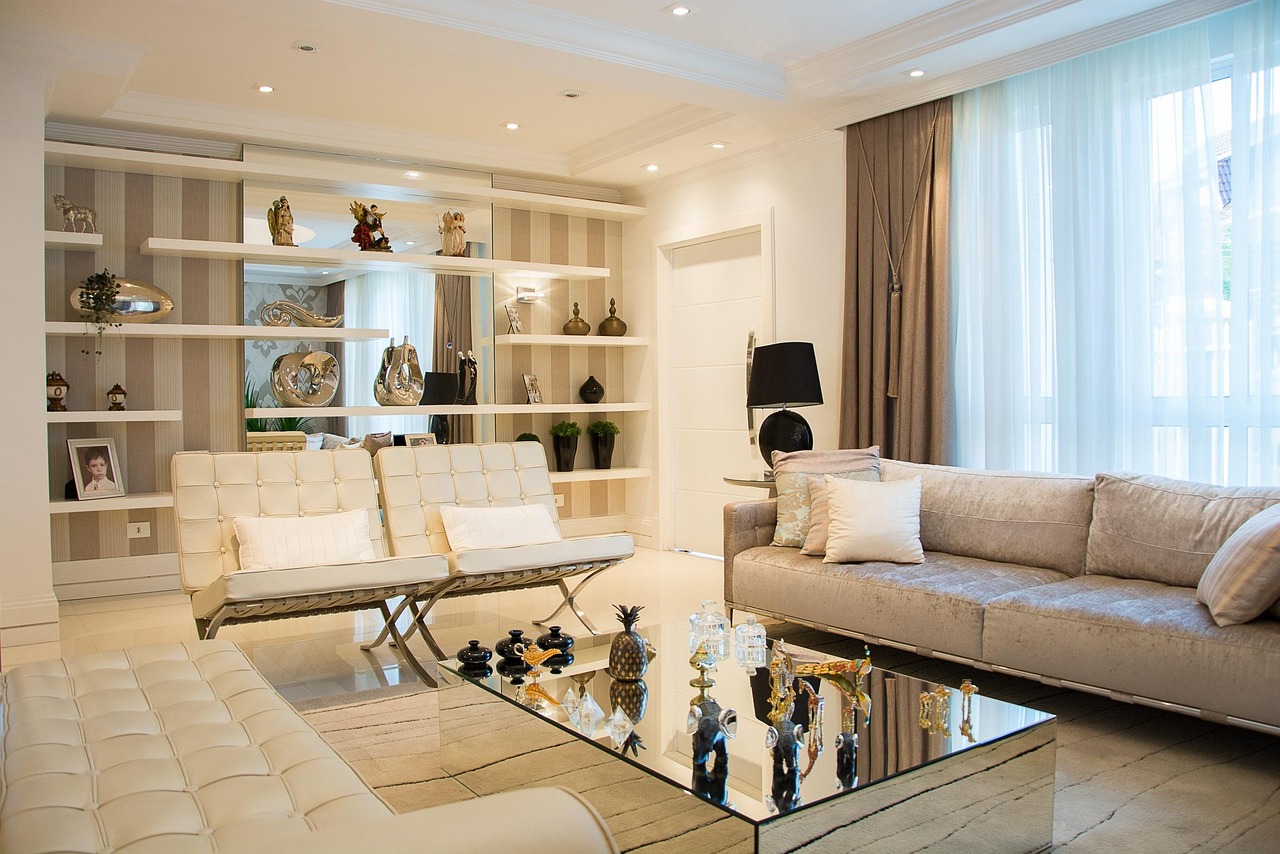
Minimalist decor isn’t just a design trend—it’s a mindful approach to creating spaces that breathe, function beautifully, and honor our planet through sustainable choices.

In a world overflowing with consumption and clutter, the minimalist movement offers a refreshing alternative. It’s about curating your environment with intention, choosing quality over quantity, and embracing the profound beauty found in simplicity. When combined with sustainability principles, minimalist decor becomes more than an aesthetic choice; it transforms into a lifestyle that reduces waste, honors resources, and creates homes that truly nourish our well-being.
🌿 Understanding the Philosophy Behind Minimalist Sustainable Design
Minimalism and sustainability share a common foundation: the belief that less can indeed be more. This philosophy challenges the conventional consumer mindset that equates happiness with accumulation. Instead, it invites us to question every item we bring into our homes, asking whether it serves a purpose, brings joy, or aligns with our values.
Sustainable minimalist decor recognizes that every purchase has an environmental footprint. From the raw materials extracted to create furniture, to the energy consumed during manufacturing and transportation, our decorating choices ripple outward with consequences. By choosing fewer, better-made items, we dramatically reduce our ecological impact while creating spaces that feel calm, organized, and authentically ours.
This approach also addresses the psychological burden of excess. Studies consistently show that cluttered environments contribute to stress, anxiety, and decision fatigue. When we clear our spaces and choose sustainable materials, we create sanctuaries that support mental clarity and emotional well-being.
Starting Your Minimalist Journey: The Decluttering Foundation
Before introducing new sustainable pieces, the first step toward minimalist decor is thoughtfully editing what you already own. This process isn’t about ruthlessly discarding everything—it’s about mindful curation that honors both your needs and the environment.
Begin by assessing each room with fresh eyes. Which items genuinely serve you? Which pieces do you love aesthetically? What’s simply taking up space out of habit or guilt? This evaluation creates the blank canvas necessary for intentional design.
The Sustainable Decluttering Process
As you declutter, prioritize sustainable disposal methods that keep items out of landfills:
- Donate gently used items to local charities, shelters, or community organizations
- Sell quality pieces through secondhand marketplaces or consignment shops
- Repurpose items creatively within your home for new functions
- Recycle materials properly according to local guidelines
- Compost natural textiles like cotton, wool, or linen when beyond repair
- Gift items to friends or family who will genuinely use them
This mindful approach ensures that your journey toward minimalism doesn’t inadvertently create waste—it simply redistributes resources to where they’re needed most.
🛋️ Choosing Sustainable Materials That Last
The cornerstone of sustainable minimalist decor is selecting materials that combine longevity, environmental responsibility, and timeless appeal. These choices represent investments in both your space and the planet’s future.
Natural materials typically outperform synthetic alternatives in sustainability metrics. Wood, bamboo, cork, natural stone, linen, cotton, wool, and jute are renewable, biodegradable, and often require less energy-intensive processing. They also develop beautiful patinas over time, aging gracefully rather than simply wearing out.
Material Selection Guide for Conscious Consumers
| Material | Sustainability Benefits | Best Uses |
|---|---|---|
| Reclaimed Wood | Prevents deforestation, reduces waste, unique character | Furniture, shelving, accent walls |
| Bamboo | Rapidly renewable, strong, versatile | Flooring, furniture, storage solutions |
| Organic Cotton | No pesticides, less water usage, biodegradable | Textiles, bedding, curtains |
| Cork | Harvested without tree damage, renewable, antimicrobial | Flooring, bulletin boards, coasters |
| Natural Stone | Extremely durable, no off-gassing, timeless | Countertops, flooring, accents |
| Recycled Metal | Reduces mining impact, infinitely recyclable | Hardware, lighting fixtures, furniture frames |
When purchasing new items, look for certifications like FSC (Forest Stewardship Council) for wood products, GOTS (Global Organic Textile Standard) for fabrics, and Cradle to Cradle for comprehensive environmental assessment. These third-party verifications help ensure your choices genuinely support sustainability.
The Color Palette of Sustainable Minimalism
Minimalist color schemes typically favor neutral foundations—whites, beiges, grays, and earth tones—that create serene, cohesive environments. These timeless palettes also support sustainability by remaining stylish across years and decades, eliminating the need for frequent redecorating.
Natural pigments and low-VOC (volatile organic compound) paints contribute to healthier indoor air quality while reducing environmental toxins. Many manufacturers now offer beautiful, durable paint options made from plant-based ingredients, clay, or milk proteins that perform excellently without harmful chemicals.
Strategic accent colors drawn from nature—deep forest greens, warm terracottas, ocean blues—can be introduced through textiles, artwork, or plants. These touches add personality without overwhelming the space or committing to trends that quickly date.
✨ Furniture Selection: Quality Over Quantity
In minimalist sustainable design, each furniture piece should earn its place through function, beauty, and craftsmanship. This selective approach naturally leads to acquiring fewer, higher-quality items that serve you for decades rather than seasons.
Prioritize multi-functional pieces that adapt to changing needs. A beautifully crafted dining table that doubles as a workspace, a sofa with built-in storage, or modular shelving that reconfigures as your life evolves—these versatile solutions maximize utility while minimizing consumption.
Sustainable Furniture Sourcing Strategies
Finding sustainable furniture doesn’t require unlimited budgets. Consider these approaches for every price point:
- Vintage and antique shops: Pre-loved furniture embodies ultimate sustainability by extending existing items’ lifespans
- Local artisans and makers: Supporting craftspeople reduces transportation emissions while ensuring quality construction
- Certified sustainable brands: Companies committed to ethical production and environmental responsibility
- Estate sales and auctions: Often feature solid, well-made pieces at accessible prices
- Furniture rental services: Perfect for temporary situations or trying styles before committing
- DIY restoration projects: Breathing new life into discarded furniture combines creativity with sustainability
When evaluating furniture, examine construction quality. Solid wood joints, durable upholstery fabrics, and replaceable components signal pieces designed to last. Avoid particleboard, which degrades quickly and often contains formaldehyde-based adhesives.
🌱 Bringing Nature Indoors: Plants as Sustainable Decor
Nothing elevates minimalist spaces quite like living plants. They purify air, add organic texture, connect us with nature, and require no manufacturing process beyond the pot you choose. Plants represent the ultimate sustainable decor element—they literally give back to the environment.
Select low-maintenance varieties suited to your light conditions and lifestyle. Snake plants, pothos, ZZ plants, and monstera deliciosa thrive with minimal care while making dramatic visual statements. Grouping plants at varying heights creates dynamic displays that draw the eye without cluttering surfaces.
Choose pots made from sustainable materials like terracotta, ceramic, or even repurposed containers. Avoid plastic whenever possible, or if using plastic pots, ensure they’re from recycled materials and will be reused indefinitely.
Lighting Design That Honors Sustainability
Thoughtful lighting transforms minimalist spaces while significantly impacting energy consumption. Layer different light sources—ambient, task, and accent—to create flexible, efficient illumination that adapts to activities and moods.
LED bulbs consume up to 75% less energy than incandescent options and last 25 times longer, making them essential for sustainable lighting design. Choose warm color temperatures (2700-3000K) for living spaces to create inviting atmospheres that complement minimalist aesthetics.
Maximize natural light through strategic window treatments. Sheer curtains or light-filtering shades provide privacy while allowing daylight to illuminate your space, reducing dependence on artificial lighting during daytime hours.
Sustainable Lighting Fixture Options
Select fixtures made from recycled materials, natural fibers, or reclaimed components. Bamboo pendants, recycled glass lamps, and metal fixtures with powder-coated finishes offer durability and environmental responsibility. Simple, timeless designs ensure fixtures remain relevant regardless of changing trends.
🧘 Textiles and Soft Furnishings in Minimalist Spaces
Textiles add warmth, comfort, and tactile interest to minimalist rooms without visual chaos. Choose natural, sustainable fabrics that feel luxurious while supporting environmental and social responsibility.
Organic cotton, linen, hemp, and wool regulate temperature naturally, last longer than synthetic alternatives, and biodegrade at end of life. Look for fair trade certifications ensuring ethical production practices that support artisan communities.
In minimalist design, restraint with textiles prevents spaces from feeling cluttered. A beautiful wool throw draped over a sofa, quality linen curtains framing windows, or a handwoven rug defining a seating area—these carefully selected pieces provide comfort without excess.
Storage Solutions That Disappear
Effective storage is essential to minimalist living, but it shouldn’t dominate your visual field. Built-in options, furniture with integrated storage, and concealed organizational systems maintain clean lines while keeping belongings accessible and organized.
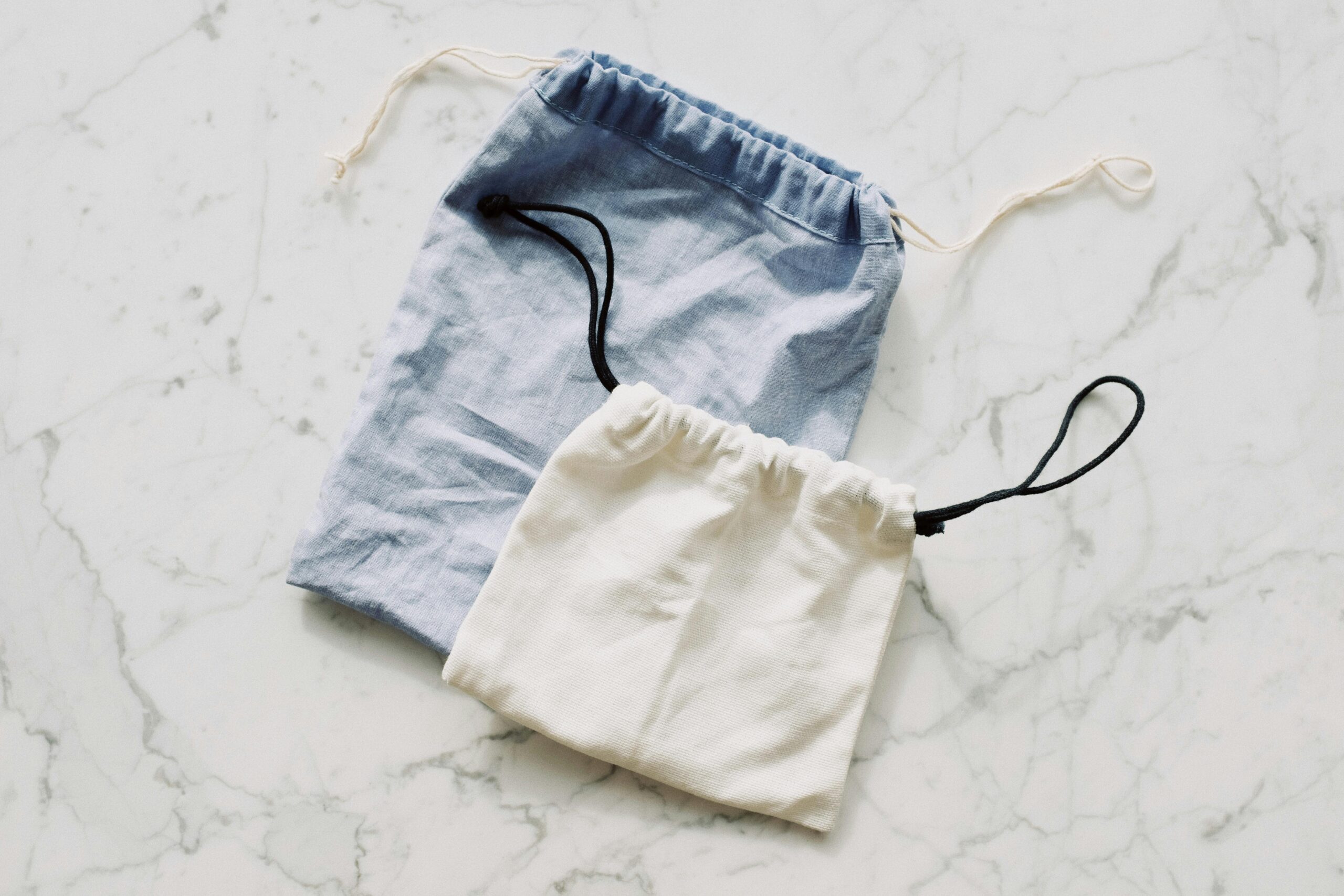
Natural woven baskets, wooden boxes, and fabric bins offer sustainable storage that complements minimalist aesthetics. These solutions hide everyday items while adding subtle texture to your space.
The most sustainable storage solution, however, is simply owning less. Regular editing of possessions ensures you’re only storing items that genuinely serve your life, eliminating the need for excessive organizational products.
🎨 Art and Accessories: The Finishing Touches
In minimalist spaces, art and accessories carry significant visual weight because there’s less competition for attention. This amplifies the importance of selecting pieces that genuinely resonate with you while supporting sustainable practices.
Invest in original art from local artists whenever possible. This supports creative communities, eliminates mass production impacts, and ensures your space features truly unique elements. Thrift stores and estate sales also yield distinctive vintage artwork and objects with character.
Apply the “one in, one out” principle for accessories. When acquiring something new, release something else. This practice prevents gradual accumulation and maintains the intentional curation central to minimalist design.
Sustainable Accessory Ideas
- Handmade ceramics from local potters
- Naturally shed antlers or driftwood collected during walks
- Vintage books with beautiful spines arranged by color
- Framed pressed botanicals or botanical prints
- Heirloom items with personal significance
- Natural stone or mineral specimens
- Handwoven textiles displayed as wall hangings
Maintaining Your Minimalist Space Sustainably
Creating a minimalist sustainable space is just the beginning—maintaining it requires ongoing intention and eco-conscious practices. Use natural cleaning products or make your own from simple ingredients like vinegar, baking soda, and essential oils. These alternatives perform excellently without introducing harsh chemicals into your home or waterways.
Care for your belongings properly to extend their lifespan. Follow fabric care instructions, dust furniture regularly, condition leather and wood, and address repairs promptly rather than replacing items prematurely.
Resist impulse purchases by implementing waiting periods. When tempted by new decor, wait 30 days. This cooling-off period helps distinguish genuine needs from fleeting desires, preventing accumulation of items that don’t truly serve your space or values.
💚 The Broader Impact of Your Choices
Embracing minimalist sustainable decor extends beyond personal aesthetics—it’s a powerful statement about values and priorities. Each intentional choice contributes to reduced resource extraction, lower carbon emissions, decreased landfill waste, and support for ethical business practices.
Your home becomes a daily reminder that beauty doesn’t require excess, that quality surpasses quantity, and that living well doesn’t necessitate harming the planet. This mindful approach often inspires others, creating ripple effects throughout communities as people reconsider their own consumption patterns.
By demonstrating that stylish, comfortable living is entirely compatible with environmental responsibility, you challenge the narrative that sustainability requires sacrifice. Instead, you reveal that it offers liberation—freedom from clutter, from waste, from the exhausting cycle of acquisition and disposal.
Creating Your Personal Sustainable Minimalist Vision
Remember that minimalism looks different for everyone. A family with children will have different needs than a single professional; a creative person might display collections that bring joy, while another finds peace in completely clear surfaces. The key is defining what “enough” means for you personally.
Start small if the transition feels overwhelming. Focus on one room, or even one corner, applying minimalist sustainable principles. Experience how the space makes you feel. Notice the calm, the clarity, the breathing room. Let that positive experience motivate expansion to other areas.
Document your journey through photos, noting not just visual changes but emotional shifts. Many people report feeling lighter, more focused, and genuinely happier as they simplify their surroundings and align their spaces with their environmental values.

🌍 Living the Change You Wish to See
Elevating your space with minimalist sustainable decor is ultimately about alignment—creating environments that reflect who you are and what you believe. It’s recognizing that every choice matters, that beauty and responsibility can coexist, and that home should be a sanctuary supporting your best life while honoring our shared planet.
This approach offers profound freedom. Freedom from the pressure to constantly update and redecorate. Freedom from guilt about environmental impact. Freedom from the stress of maintaining and organizing excess possessions. In their place, you gain spaces that truly serve you, pieces you genuinely love, and the satisfaction of living according to your values.
As you curate your minimalist sustainable space, remember that perfection isn’t the goal—progress is. Each conscious choice moves you toward a home that’s lighter, more intentional, and more aligned with the future you want to create. Your space becomes not just where you live, but how you demonstrate that style, sustainability, and simplicity can beautifully coexist. 🏡