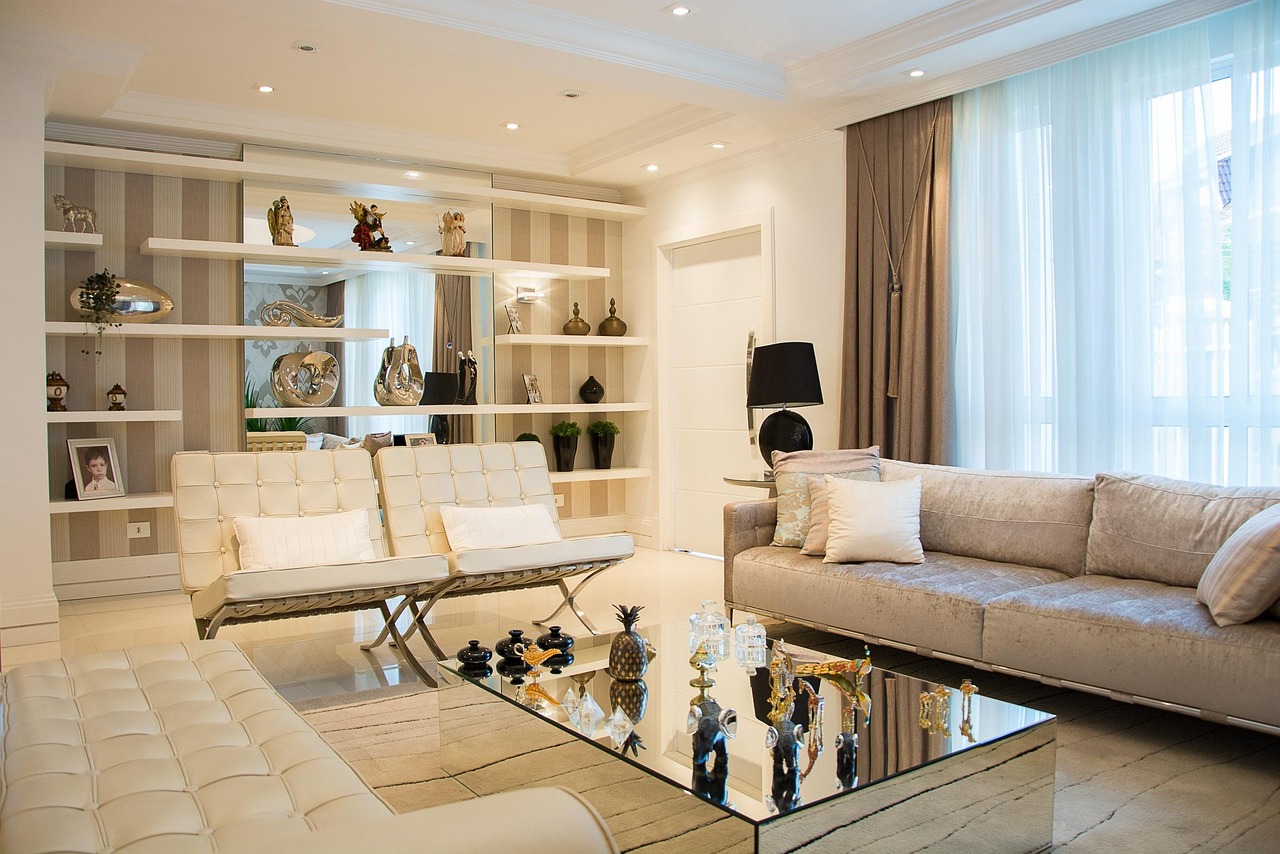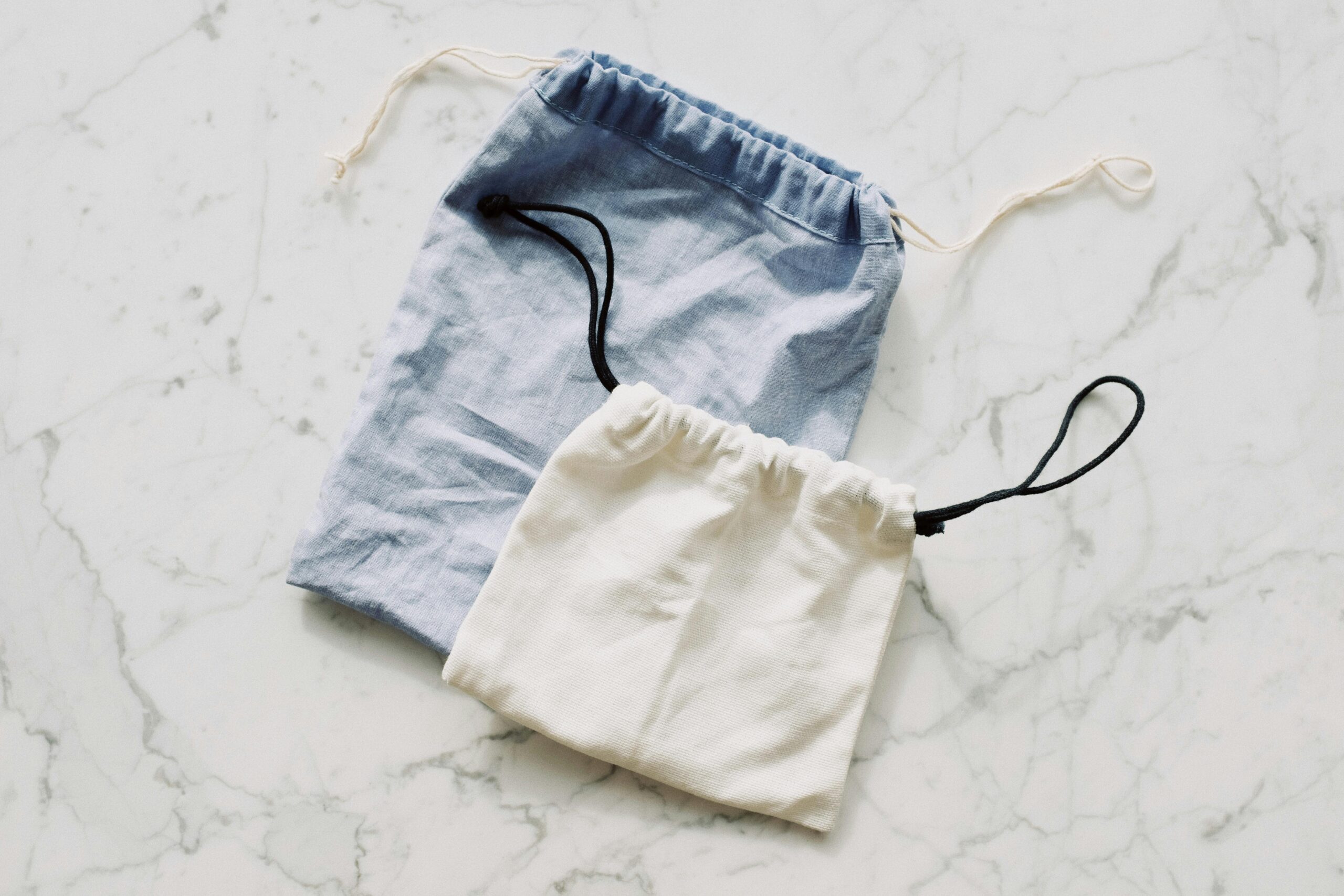
Reimagining your living space throughout the year doesn’t require constant shopping trips or expensive renovations. Smart seasonal decor reuse transforms your home sustainably while keeping your wallet happy and your style fresh.

The concept of seasonal decorating has evolved dramatically over recent years. Rather than purchasing entirely new collections for every holiday or season change, modern homeowners are discovering the creative potential hidden within their existing decor items. This approach not only reduces environmental impact but also encourages creativity, personal expression, and a more intentional relationship with our belongings. By learning to see your decorations through a versatile lens, you’ll unlock endless possibilities for refreshing your space without the guilt or expense of excessive consumption.
🌿 Understanding the Philosophy Behind Seasonal Decor Reuse
The foundation of successful seasonal decor reuse lies in purchasing versatile, high-quality pieces that can transition between seasons and occasions. This strategic approach requires shifting from trend-driven buying to investment thinking. When you select neutral base items with timeless appeal, you create a flexible foundation that accepts seasonal accents without requiring complete overhauls.
Consider the environmental implications of traditional seasonal decorating. Americans alone generate approximately 25% more waste during the holiday season, much of which consists of discarded decorations and packaging. By committing to reusing and repurposing what you already own, you contribute to reducing landfill waste, decreasing manufacturing demand, and lowering your carbon footprint. This conscious approach aligns with growing movements toward minimalism and sustainable living.
Budget considerations make this approach even more appealing. The average household spends between $200-$600 annually on seasonal decorations, with many items used only once or twice before being replaced. By investing that same budget into fewer, higher-quality versatile pieces and learning transformation techniques, you’ll actually save money over time while developing a signature style that reflects your personality rather than mass-market trends.
🎨 Building Your Foundation: Versatile Base Pieces That Work Year-Round
Creating a successful seasonal rotation begins with identifying neutral foundation pieces that complement multiple decorating schemes. Glass vases, woven baskets, wooden trays, neutral throw pillows, and simple frames form the backbone of adaptable decor. These items provide structure and sophistication without dictating a specific season or holiday theme.
Natural materials prove especially valuable in this approach. Wood, rattan, jute, linen, and ceramic pieces possess inherent warmth and texture that enhance rather than compete with seasonal accents. A beautiful wooden bowl might hold ornaments in December, fresh citrus in summer, pinecones in autumn, and flowering branches in spring—the container remains constant while its contents signal the season.
Essential Neutral Base Items Worth Investing In
- White or cream ceramic vases in varying heights for botanical displays throughout the year
- Natural fiber baskets for storage, display, and textural interest across all seasons
- Wooden serving trays that become versatile vignette platforms
- Glass cloches and apothecary jars for protecting and showcasing seasonal treasures
- Neutral throw blankets in linen, cotton, or wool that layer with seasonal colors
- Simple picture frames in classic finishes for rotating seasonal prints and artwork
- Pillow covers with removable inserts allowing quick seasonal fabric swaps
- Hurricane lanterns and candleholders in clear glass or simple metal finishes
♻️ Creative Transformation Techniques for Every Season
Mastering a few key transformation techniques empowers you to completely change your home’s atmosphere with minimal effort and expense. Color swapping represents the simplest approach—ribbons, fabric scraps, and natural elements in seasonal hues instantly update neutral base pieces. A wreath form wrapped in burlap becomes spring-ready with pastel ribbon, summer-fresh with bright florals, autumn-appropriate with rust-colored accents, and winter-wonderful with evergreen sprigs.
Layering techniques add depth and interest without requiring new purchases. Draping sheer fabrics over existing items, stacking trays and plates in complementary colors, or clustering candleholders at varying heights creates visual complexity. This approach works particularly well on mantels, dining tables, and entryway consoles where you can build and dismantle displays as seasons change.
The Art of Strategic Styling Swaps
Small changes create surprisingly significant visual impact. Simply rotating which items appear together can completely refresh a space. Those white ceramic pumpkins that seemed strictly autumnal look surprisingly elegant painted gold for New Year’s or left natural among spring greenery. The key lies in divorcing decorations from their original intended use and seeing them as sculptural forms with multiple presentation possibilities.
Botanical elements provide the most affordable and impactful seasonal transformations. Branches, leaves, flowers, seedpods, and even vegetables become free or low-cost decor that clearly signals the current season. A large glass vase might showcase forsythia branches in early spring, fresh hydrangeas in summer, colorful autumn leaves, and evergreen boughs in winter—the same container, four completely different looks.
🍂 Season-by-Season Reuse Strategies That Actually Work
Understanding how to transition your decor across seasons creates a sustainable rotation that keeps your home feeling current without constant shopping. Each season offers unique opportunities for creative reuse and natural incorporation.
Spring: Freshness and Renewal
Spring decorating emphasizes lightness, growth, and renewal. Transform winter’s heavier textures by replacing dark throws with lighter cotton or linen versions in white, soft yellow, or pale green. Those glass hurricanes that held pillar candles all winter become perfect vessels for forced bulbs or fresh tulips. Woven baskets transition from holding firewood to displaying spring garden supplies or acting as planters for herbs.
Repurpose holiday ornaments by selecting glass or metallic spheres in pastel shades and arranging them in bowls or hanging them from branches as decorative elements. Bird nests, eggs (real or decorative), and flower bulbs bring authentic spring energy. White ceramic pieces that seemed wintry now appear fresh and garden-inspired when paired with greenery and florals.
Summer: Casual Brightness
Summer calls for relaxed, vibrant styling that embraces outdoor living. Those neutral throw pillows receive bright, washable covers in coral, turquoise, or sunny yellow. Glass containers showcase collections of shells, beach glass, or citrus fruits. Lanterns move from interior mantels to outdoor tables. Wooden trays that held winter candles now organize outdoor dining essentials or display potted succulents.
Natural fiber items particularly shine in summer styling. Jute rugs, rattan chargers, and woven wall hangings provide texture without heaviness. Transform autumn’s decorative gourds by painting them in bright summer colors, or simply store them until fall returns. Fresh flowers become affordable focal points when displayed in repurposed containers—mason jars, vintage bottles, or even painted tin cans.
Autumn: Warmth and Harvest
Autumn transformation involves deepening colors and incorporating harvest elements. Summer’s bright pillow covers swap for rust, burgundy, mustard, and olive tones. Those versatile glass vases now hold branches with colorful leaves, wheat stalks, or dried florals. Wooden bowls that seemed empty in summer overflow with decorative gourds, pinecones, or seasonal nuts still in their shells.
Metallic accents in copper and bronze enhance autumn warmth without reading specifically as holiday decor. Candles return to prominence as daylight shortens—use existing holders but choose autumn-scented options in amber jars. Baskets reappear filled with cozy throws, creating inviting texture. String lights used outdoors in summer move indoors to create ambient autumn evening glow.
Winter: Cozy Elegance
Winter decorating emphasizes warmth, light, and celebration. Heavy textured throws in deep colors replace lighter summer versions. Evergreen branches—often available free after tree lot trimming—fill vases and arrange on mantels. Candles cluster at varying heights using all your holders simultaneously. Metallic elements escalate as silver and gold catch and reflect precious winter light.
Post-holiday, resist the urge to immediately pack everything away. Remove obviously Christmas-specific items but maintain winter coziness through January and February with evergreens, white and silver accents, and layered textures. Those ornament-filled bowls transition beautifully when you replace red and green ornaments with silver, white, and ice blue versions. Fairy lights remain magical all winter, not just during holidays.
💡 Storage Solutions That Enable Easy Rotation
Successful seasonal reuse depends heavily on smart storage systems. Without proper organization, even the best intentions fail when you cannot locate items or they’ve deteriorated in poor storage conditions. Invest in clear, labeled storage containers that protect while allowing visual identification of contents. Separate by season rather than by room to streamline rotation.
Photograph your favorite seasonal arrangements before dismantling them. Create a digital folder organized by season with images showing successful vignettes, color combinations, and styling techniques. This visual reference eliminates guesswork when decorating months later and helps you remember which items work well together. Include notes about what worked and ideas for future improvements.
Proper Storage Techniques by Material Type
- Textiles: Clean before storing, use acid-free tissue to prevent creasing, add cedar or lavender sachets for freshness, avoid plastic bags that trap moisture
- Glass and ceramics: Wrap individually in bubble wrap or newspaper, store heavier items on bottom, use dividers in boxes to prevent contact
- Natural materials: Ensure completely dry before storing, use breathable containers, check periodically for pest issues
- Metallic items: Polish before storage, wrap to prevent scratching, include silica packets to absorb moisture and prevent tarnishing
- Candles: Store flat in cool locations away from direct sunlight, wrap in parchment paper to protect surfaces
🛠️ DIY Transformation Projects for Maximum Versatility
Simple DIY projects dramatically increase your decor’s adaptability. Learning basic techniques like painting, fabric wrapping, and floral arranging allows you to customize purchased items for multiple uses. A plain wooden picture frame might display spring botanical prints, summer family photos, autumn leaf pressings, and winter holiday cards—same frame, constantly refreshed content.
Removable adhesive products revolutionize seasonal decorating. Furniture, walls, and decorative items can receive temporary color or pattern additions that peel away cleanly when seasons change. This approach particularly benefits renters or anyone hesitant about permanent changes. Washi tape creates temporary geometric patterns on mirrors or frames, while removable wallpaper samples become seasonal art when mounted on foam board.
Painting and Refinishing Basics
Spray paint transforms almost anything quickly and affordably. Those garage sale candleholders become cohesive collections in matching metallic finishes. Plastic pumpkins from years past look surprisingly sophisticated in matte white, soft gold, or elegant black. Use chalk paint for textured, matte finishes that work across decorating styles. Always prime properly, apply thin coats, and seal with appropriate topcoats for longevity.
Fabric and ribbon instantly update items without permanence. Wrap vases, pots, or cylindrical containers in seasonal fabrics secured with hot glue or double-sided tape. When seasons change, simply remove and replace. Keep a collection of ribbons in various widths and seasonal colors for tying around containers, creating bows, or wrapping existing wreaths with new personality.
🌍 Sustainable Sourcing for New Additions
When you do need new items, sustainable sourcing aligns with reuse principles. Thrift stores, estate sales, and online marketplaces offer secondhand decor at fraction of retail costs. Quality items from decades past often exceed modern manufacturing standards. Shopping secondhand also provides access to unique vintage pieces impossible to find in current retail offerings.
Nature provides abundant free seasonal decor. Collect pinecones, interesting branches, stones, shells, seed pods, and leaves during walks. These authentic natural elements bring genuine seasonal character without cost. Ensure you collect legally and sustainably, never taking from protected areas or stripping plants. Many municipalities offer free mulch, firewood, and holiday greenery trimmings that become excellent decorating materials.
Building a Sharing Economy with Friends and Neighbors
Consider organizing seasonal decor swaps within your community. What feels tired in your home might delight someone else, and vice versa. These swaps introduce new items to your rotation without purchasing or permanently acquiring. They also build community connections and spread sustainable decorating principles. Online neighborhood groups facilitate year-round trading and borrowing of seasonal items.
📱 Maximizing Your Creative Potential
The journey toward sustainable seasonal decorating becomes easier with inspiration and planning tools. Social media platforms offer endless ideas, but the key lies in adapting rather than replicating. Follow accounts focused on sustainable living, thrifted home decor, and minimalist seasonal styling for ideas that align with reuse principles rather than constant consumption.
Create a personal inspiration system that works for your lifestyle. Whether through digital boards, physical notebooks, or folders of saved images, compile ideas specifically suited to items you already own. When you see appealing arrangements, analyze which elements you could recreate using existing pieces. This curated inspiration prevents impulse purchases while feeding creativity.
🎯 Making the Transition: Your Action Plan
Beginning your sustainable seasonal decor journey requires honest assessment of current holdings. Gather all seasonal decorations and categorize them: versatile base pieces, season-specific items, and things you no longer love. Be ruthless about eliminating items that don’t bring joy or serve multiple purposes. Donate quality items you won’t use rather than storing them indefinitely.
Identify gaps in your versatile base collection. Rather than immediately shopping, challenge yourself to find creative workarounds using what you have. When purchases become necessary, establish criteria: Will this work across multiple seasons? Does it complement my existing collection? Is it quality construction that will last? Can I envision at least three different uses? These questions prevent accumulation while building a truly functional collection.
Start with one season’s complete transformation using only existing items. Document the process with photos and notes about what worked. This hands-on experimentation builds confidence and reveals your decorating style preferences. As you master one seasonal rotation, the others become progressively easier. Within a year, you’ll have established sustainable patterns that make decorating effortless and enjoyable.
🏡 Living Beautiful Through Every Season
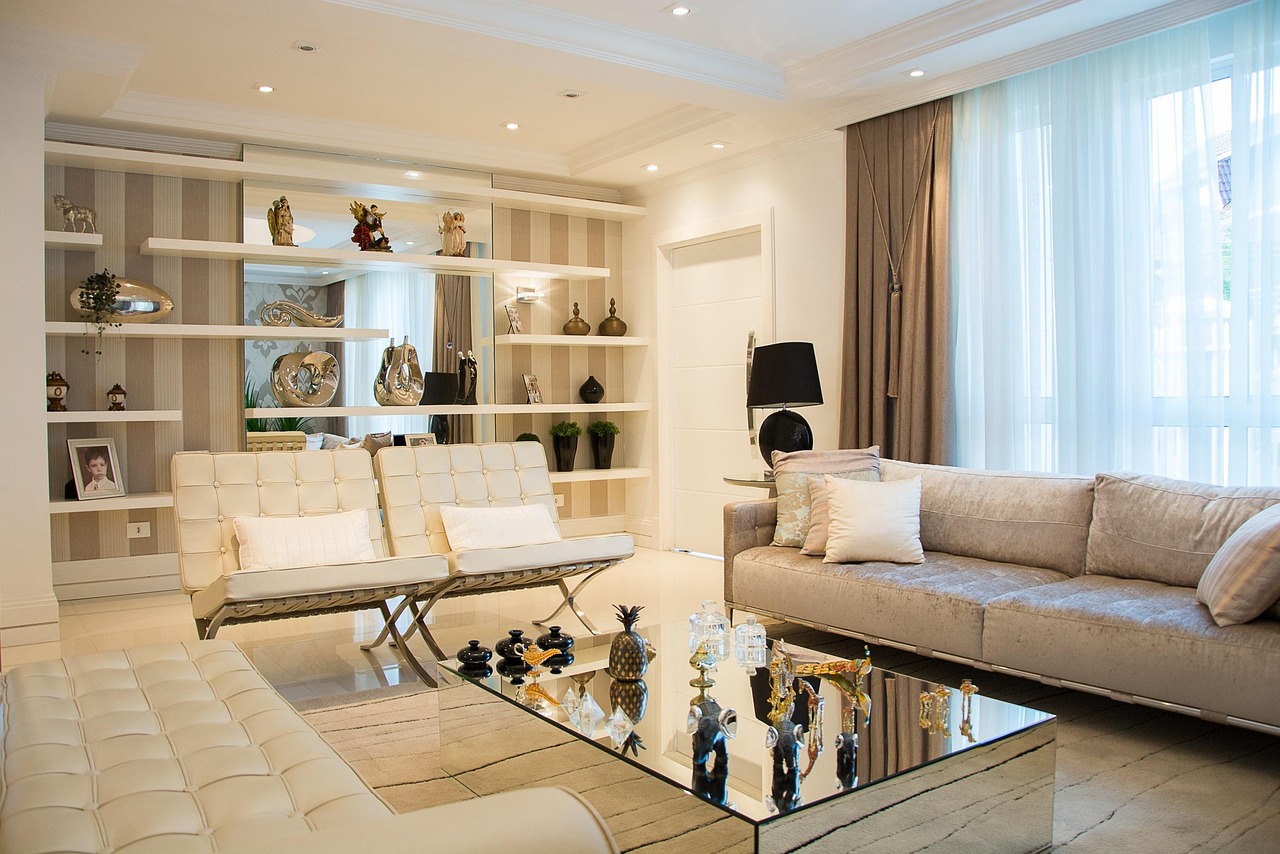
Transforming your home through smart seasonal decor reuse creates spaces that feel perpetually fresh without the environmental cost or financial burden of constant consumption. This approach honors both your creative impulses and your values, proving that style and sustainability complement rather than contradict each other. By investing in versatile pieces, mastering simple transformation techniques, and drawing inspiration from nature’s abundant seasonal offerings, you develop a signature decorating style that evolves gracefully throughout the year.
The true beauty of this approach extends beyond aesthetics. You’ll discover deeper satisfaction in creativity over consumption, develop problem-solving skills that translate to other life areas, and model sustainable practices for family and friends. Your home becomes a reflection of thoughtful choices rather than impulse purchases, with each carefully selected and repeatedly reimagined piece telling a story of intention and care. This shift in perspective transforms decorating from a source of stress and expense into an enjoyable creative practice that celebrates both your home and the changing seasons without compromise.