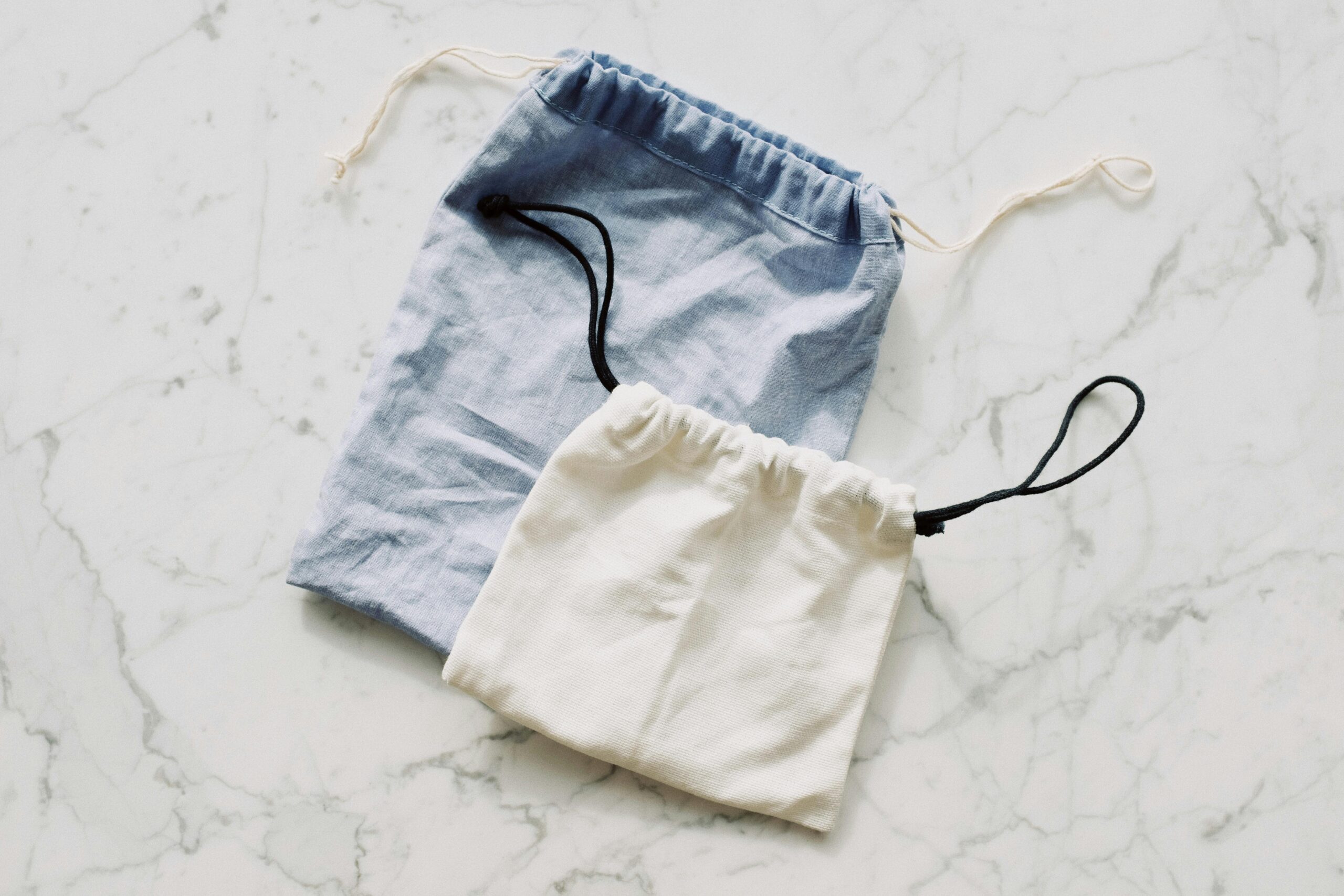
Transforming your living space into an eco-friendly sanctuary doesn’t mean sacrificing style or aesthetic appeal. Today’s sustainable design movement proves that environmental consciousness and sophisticated interior design can coexist beautifully, creating homes that are both visually stunning and kind to our planet.

The rise of biodegradable décor represents a fundamental shift in how we approach home styling. As awareness grows about the environmental impact of our choices, homeowners are increasingly seeking alternatives that reduce waste, minimize carbon footprints, and celebrate natural materials without compromising on elegance or contemporary design principles.
🌿 Understanding Biodegradable Materials in Home Décor
Biodegradable materials break down naturally through biological processes, returning to the earth without leaving harmful residues or contributing to landfill overflow. Unlike synthetic materials that persist for centuries, these eco-friendly alternatives decompose within months or years, completing nature’s cycle sustainably.
The most popular biodegradable materials revolutionizing home design include bamboo, cork, natural fibers like jute and hemp, reclaimed wood, organic cotton, and innovative materials such as mycelium and bioplastics derived from plant starches. Each material offers unique textures, colors, and properties that enhance different design aesthetics.
Understanding the lifecycle of these materials helps homeowners make informed decisions. From sourcing and production to usage and eventual decomposition, truly sustainable décor considers environmental impact at every stage, ensuring that beauty today doesn’t compromise tomorrow’s world.
Creating Statement Walls with Natural Elements
Wall treatments set the tone for entire rooms, and biodegradable options offer remarkable versatility. Natural clay paints deliver rich, earthy pigments without volatile organic compounds, while providing breathable surfaces that regulate humidity naturally. These paints create depth and warmth that synthetic alternatives struggle to match.
Grasscloth wallpapers crafted from renewable resources like sisal, seagrass, and arrowroot add sophisticated texture while remaining completely biodegradable. These materials bring organic patterns and subtle variations that make each wall unique, creating visual interest without overwhelming spaces.
Cork wall tiles present another innovative solution, offering excellent acoustic properties alongside environmental benefits. Harvested without harming cork oak trees, these tiles regenerate naturally, making them infinitely renewable. Their natural variations in color and texture create contemporary patterns while providing insulation benefits.
Reclaimed Wood Accent Walls
Repurposing aged timber prevents waste while introducing character impossible to replicate with new materials. Each reclaimed plank carries history through weathered grains, nail holes, and color variations. These imperfections become design features, adding authenticity and storytelling elements to modern spaces.
Installing reclaimed wood requires minimal processing compared to new lumber, reducing energy consumption and preserving forests. The patina developed over decades creates instant warmth, grounding contemporary interiors with organic elements that connect us to natural environments.
🪴 Furniture That Returns to Nature
Selecting biodegradable furniture represents one of the most impactful decisions for sustainable living. Pieces crafted from solid wood, bamboo, or rattan not only decompose naturally but often improve with age, developing rich patinas that synthetic materials cannot replicate.
Bamboo furniture exemplifies sustainable luxury. Growing up to three feet daily, bamboo reaches maturity in just three to five years compared to hardwoods requiring decades. Its strength rivals steel in tensile capacity, creating durable pieces suitable for everything from delicate side tables to robust dining sets.
Rattan and wicker furniture, woven from renewable palm species, bring tropical elegance to any setting. These materials adapt to various styles from bohemian to mid-century modern, offering flexibility that extends their usefulness across changing design trends. Their natural flexibility creates comfortable, forgiving seating that improves with use.
Upholstery Considerations for Eco-Conscious Homes
Fabric choices significantly impact furniture sustainability. Organic cotton, linen, hemp, and wool offer biodegradable alternatives to petroleum-based synthetics. These natural fibers breathe better, resist odors naturally, and often prove more durable than cheaper synthetic options.
Natural latex cushioning derived from rubber trees provides supportive, long-lasting comfort without the chemicals found in synthetic foams. Combined with organic fabric covers, these cushions create entirely biodegradable seating solutions that don’t sacrifice comfort or longevity.
Lighting Solutions That Shine Sustainably ✨
Lighting fixtures crafted from biodegradable materials transform functional necessities into artistic statements. Paper lanterns made from sustainably harvested mulberry bark or rice paper diffuse light beautifully while maintaining minimal environmental impact. These fixtures suit styles ranging from minimalist Japanese-inspired designs to elaborate sculptural installations.
Bamboo pendant lights bring architectural interest to dining areas and kitchens. Artisans weave, bend, and shape bamboo into geometric patterns or organic forms that cast intriguing shadows while providing ambient illumination. Each piece functions as functional art, elevating spaces through sustainable craftsmanship.
Ceramic and terracotta lamps offer another biodegradable option, with clay-based materials returning harmlessly to earth. These fixtures provide substantial weight and presence, grounding spaces while offering endless glazing possibilities that introduce color without plastics or synthetic finishes.
Natural Candle Solutions
Candles crafted from soy wax, beeswax, or coconut wax provide ambient lighting without petroleum-based paraffin. These natural waxes burn cleaner, releasing fewer toxins while offering comparable or superior burn times. Housed in biodegradable containers like bamboo, untreated wood, or clay, these candles complete their lifecycle sustainably.
🌾 Textiles That Tell Sustainable Stories
Window treatments, rugs, and decorative textiles dramatically influence room aesthetics while presenting significant opportunities for sustainable choices. Natural fiber curtains in linen, organic cotton, or hemp filter light beautifully while regulating temperature through breathable weaves.
Jute and sisal rugs ground spaces with neutral tones and organic textures that complement virtually any color palette. These durable fibers withstand heavy traffic while requiring minimal processing from field to floor. Their natural variations prevent monotony, adding subtle interest beneath furniture arrangements.
Wool remains the gold standard for area rugs, offering remarkable durability, natural stain resistance, and sound absorption. Sustainably sourced wool from ethically managed flocks provides renewable fiber that biodegrades completely, releasing nutrients back into soil rather than microplastics into ecosystems.
Decorative Throw Pillows and Blankets
Accent textiles provide easy, impactful updates to living spaces. Organic cotton covers filled with natural kapok or wool batting offer comfort without synthetic fillers. These natural materials regulate temperature better than polyester, staying cool in summer and warm in winter while remaining completely biodegradable.
Linen throws develop beautiful softness with use and washing, improving rather than degrading over time. Their natural luster and subtle texture elevate casual and formal settings equally, proving that sustainable choices enhance rather than limit aesthetic possibilities.
Artistic Accents and Decorative Objects 🎨
Decorative accessories personalize spaces while reflecting values. Choosing biodegradable options ensures these personal touches align with environmental commitments. Ceramic vases, wooden bowls, and stone sculptures provide focal points that connect interiors with natural elements.
Handcrafted pottery offers functional art that supports artisan communities while avoiding industrial production’s environmental costs. Each piece carries unique characteristics from the clay’s origin, the potter’s technique, and kiln firing variations, making mass production’s uniformity unnecessary.
Woven baskets serve dual purposes as storage solutions and decorative elements. Crafted from seagrass, water hyacinth, or palm leaves, these containers organize spaces naturally. Their organic shapes and natural color variations add warmth without clutter, maintaining visual calm through purposeful design.
Living Décor Through Houseplants
Plants represent the ultimate biodegradable décor, actively improving air quality while adding life and color. Displayed in terracotta pots or woven baskets, greenery brings biophilic design principles indoors, connecting inhabitants with nature’s calming presence.
Larger specimens like fiddle leaf figs or monstera serve as living sculptures, creating architectural interest that evolves naturally. Smaller plants clustered on shelves or window sills add layers of texture and varied heights that energize spaces organically.
🛏️ Bedroom Sanctuaries with Sustainable Foundations
Bedrooms require particular attention to material choices since we spend roughly one-third of our lives in these spaces. Natural latex mattresses wrapped in organic cotton or wool provide supportive, chemical-free sleep surfaces that eventually biodegrade rather than occupying landfills indefinitely.
Solid wood bed frames from sustainably managed forests or reclaimed sources anchor bedrooms with lasting quality. Unlike particleboard alternatives held together with formaldehyde-based adhesives, solid wood furniture can be refinished, repaired, and eventually returned to nature harmlessly.
Organic bedding in cotton, linen, or bamboo fiber creates luxurious sleep environments without pesticides or synthetic treatments. These materials regulate temperature naturally, wicking moisture away while remaining hypoallergenic, proving that health and environmental consciousness align perfectly.
Window Treatments for Restful Spaces
Bedroom curtains in natural materials filter light softly while providing privacy. Linen curtains in neutral tones create serene backdrops, while their natural texture adds subtle visual interest. Roman shades crafted from bamboo or organic cotton offer clean lines suitable for contemporary aesthetics.
Kitchen and Dining Elegance Through Natural Materials
Kitchens and dining areas benefit enormously from biodegradable materials’ practical properties. Bamboo cutting boards resist knife scarring better than plastic while naturally inhibiting bacterial growth. When eventually worn, these boards compost easily rather than shedding microplastics into food and waterways.
Wooden utensils and serving pieces avoid metal’s heat conductivity and plastic’s chemical leaching. Properly maintained wooden spoons and spatulas last decades, developing character through use. Their eventual decomposition returns carbon to soil, closing the loop sustainably.
Natural fiber placemats and napkins in jute, linen, or organic cotton add textural interest to table settings. These washable, durable options eliminate single-use paper products while introducing organic elements that complement ceramic dishes and glassware beautifully.
Sustainable Storage Solutions
Pantry organization benefits from glass jars with wooden or cork lids, eliminating plastic containers while displaying ingredients attractively. Woven baskets corral produce on countertops, allowing air circulation while adding natural warmth to kitchen aesthetics.
🌍 Bathroom Retreats with Earth-Friendly Elements
Bathrooms traditionally rely heavily on plastics and synthetics, but sustainable alternatives exist for every element. Bamboo bath mats absorb moisture quickly while resisting mold naturally. Their slatted designs allow airflow underneath, preventing the musty odors common with fabric mats.
Organic cotton towels provide absorbency and softness without chemical treatments or synthetic fibers. These towels withstand repeated washing while eventually biodegrading, unlike synthetic blends that shed microplastics with each laundering.
Wooden or bamboo accessories like soap dishes, toothbrush holders, and storage caddies replace plastic necessities with natural alternatives. Treated with food-safe oils rather than synthetic sealants, these items handle moisture while maintaining aesthetic appeal.
Seasonal Décor That Celebrates Nature’s Cycles 🍂
Rotating seasonal decorations keeps homes fresh without accumulating permanent collections. Natural materials make this approach sustainable and affordable. Autumn branches, pinecones, and dried grasses create arrangements that eventually return to compost bins.
Winter holidays lend themselves beautifully to natural decorations. Fresh greenery, dried orange slices, cinnamon sticks, and popcorn garlands deliver festive charm without plastic. These biodegradable decorations often carry pleasant natural scents, enhancing ambiance beyond visual appeal.
Spring and summer décor utilizes fresh flowers, potted herbs, and seasonal branches. These living decorations bring nature indoors temporarily before returning to gardens as mulch or compost, embodying circular design principles perfectly.
Practical Steps for Transitioning to Biodegradable Décor
Shifting toward sustainable design needn’t happen overnight. Gradual transitions allow thoughtful decisions while avoiding waste from discarding functional items prematurely. Begin by committing to biodegradable options for new purchases, researching materials and sources before buying.
Prioritize high-impact changes first. Replacing synthetic area rugs with natural fiber alternatives, choosing solid wood furniture over particleboard, and selecting organic bedding creates substantial environmental improvements. These foundational pieces anchor spaces for years, maximizing their sustainable impact.
Support artisans and small producers when possible. Handcrafted items often utilize traditional techniques with minimal environmental impact while supporting sustainable livelihoods. Though sometimes pricier initially, their superior quality and longevity typically prove more economical long-term.
Maintaining Biodegradable Décor for Longevity
Natural materials require appropriate care to maximize lifespan. Wood furniture benefits from occasional oiling with natural products like beeswax or linseed oil, preventing drying and cracking. Natural fiber rugs need regular vacuuming and prompt spot cleaning to prevent permanent staining.
Understanding each material’s specific needs ensures biodegradable items provide years of service. This longevity reduces consumption frequency, amplifying environmental benefits beyond the materials’ eventual decomposition.
🌟 Embracing Imperfection as Design Philosophy
Natural materials display variations that mass-produced synthetics eliminate through industrial processes. Color differences, grain patterns, and textural variations make each biodegradable piece unique. Embracing these imperfections reflects wabi-sabi principles, finding beauty in natural authenticity rather than artificial perfection.
This mindset shift liberates homeowners from pursuing unattainable catalog-perfect aesthetics. Real wood shows knots and grain variations. Natural textiles display subtle weaving irregularities. These characteristics prove authenticity, connecting inhabitants with materials’ origins and the hands that crafted them.
Wear patterns on natural materials often enhance rather than diminish beauty. Leather develops rich patinas. Wood surfaces gain character through gentle marking. These changes tell stories of lived experience, making homes personal rather than showroom sterile.

The Broader Impact of Choosing Biodegradable Décor
Individual purchasing decisions collectively drive market transformation. Increased demand for sustainable options encourages manufacturers to develop innovative materials and designers to prioritize environmental considerations. Each biodegradable purchase votes for industries that value planetary health alongside profit.
These choices reduce plastic pollution, decrease toxic chemical usage, and support sustainable forestry and agriculture. They minimize the carbon footprints associated with synthetic material production while creating demand for regenerative practices that actively improve environmental conditions.
Beyond environmental benefits, biodegradable décor often supports fair labor practices and artisan communities. Traditional crafts thrive when valued properly, preserving cultural heritage while providing sustainable livelihoods. This interconnection between environmental and social sustainability creates holistic positive impact.
Creating an eco-chic home through biodegradable décor proves that environmental responsibility enhances rather than limits aesthetic possibilities. Natural materials offer unmatched beauty, connecting interiors with the natural world while ensuring today’s style choices don’t become tomorrow’s environmental burdens. As awareness grows and options expand, sustainable design becomes increasingly accessible, allowing everyone to craft homes that reflect personal style and planetary values equally. The future of interior design lies not in choosing between beauty and sustainability, but in recognizing they’re inseparable elements of truly thoughtful, forward-looking home creation.