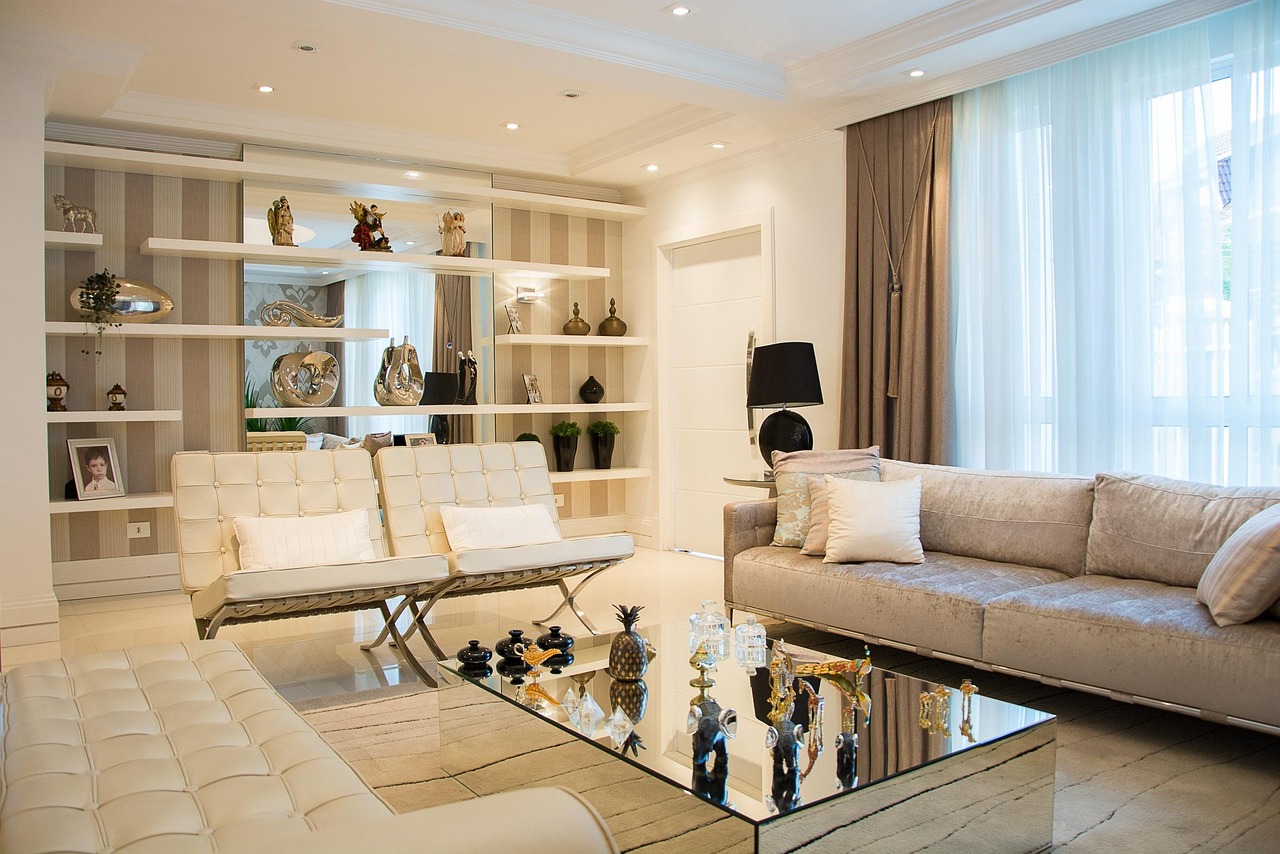
Sustainable living isn’t just a trend—it’s a fundamental shift in how we approach our homes and lifestyles. Understanding the environmental impact of our decor choices has become essential for creating spaces that are both beautiful and responsible.

The lifecycle of every piece of furniture, textile, and decorative element in your home tells a story of resource extraction, manufacturing, transportation, use, and eventual disposal. By mastering the basics of decor lifecycle assessment, you can make informed decisions that minimize environmental harm while maximizing style and functionality in your living spaces.
🌿 Understanding Lifecycle Assessment in Home Decor
Lifecycle assessment (LCA) is a comprehensive method for evaluating the environmental impacts of a product from cradle to grave. In the context of home decor, this means examining every stage of a product’s existence—from raw material extraction through manufacturing, distribution, use, and final disposal or recycling.
When applied to interior design and home furnishings, lifecycle assessment helps us understand the true environmental cost of our aesthetic choices. A beautiful velvet sofa might seem like a simple purchase, but its lifecycle involves cotton farming or synthetic fiber production, dyeing processes, frame construction, foam cushioning, transportation across continents, years of use in your home, and eventually disposal or recycling.
The beauty of mastering these basics lies in the power it gives you as a consumer and designer of your own space. Rather than feeling overwhelmed by environmental concerns, you gain clarity about which choices matter most and where you can make the biggest positive impact.
The Five Critical Stages of Decor Lifecycle
Raw Material Extraction and Processing
Every decorative item begins with raw materials. For wooden furniture, this means forestry practices. For textiles, it involves cotton cultivation or synthetic fiber production from petroleum. Metal accents require mining operations. Understanding this first stage helps you appreciate the importance of sustainably sourced materials and certifications like FSC (Forest Stewardship Council) for wood or GOTS (Global Organic Textile Standard) for fabrics.
The environmental impact at this stage includes habitat disruption, water usage, pesticide application, energy consumption, and carbon emissions. Choosing materials from responsible sources or opting for reclaimed and recycled materials can significantly reduce this initial environmental burden.
Manufacturing and Production
The transformation of raw materials into finished products involves energy consumption, chemical treatments, waste generation, and worker conditions. Furniture manufacturing might include cutting, joining, finishing, and upholstering. Textile production involves spinning, weaving, dyeing, and treating fabrics.
Sustainable manufacturing practices include using renewable energy, minimizing water waste, eliminating toxic chemicals, and ensuring fair labor practices. Brands that are transparent about their manufacturing processes and hold relevant certifications demonstrate commitment to responsible production.
Transportation and Distribution
The journey from factory to your home contributes significantly to a product’s carbon footprint. Items shipped from overseas by container ship have different impacts than locally produced goods transported by truck. The packaging materials used for protection during transit also add to environmental costs.
Prioritizing locally made decor, choosing companies with carbon-neutral shipping programs, and buying from retailers who minimize packaging can reduce transportation-related impacts substantially.
Use Phase and Maintenance
The longest phase of most decor items is their time in your home. During this period, maintenance requirements, cleaning products used, energy consumption (for electronic items), and durability all factor into environmental impact. A high-quality sofa that lasts 20 years has a much lower annual environmental cost than a fast-furniture piece that needs replacing every three years.
Proper care extends product life and reduces the need for premature replacement. Using eco-friendly cleaning products, performing regular maintenance, and repairing rather than replacing items all contribute to sustainability during this crucial phase.
End-of-Life Disposal or Recovery
What happens when you’re done with a decor item determines whether its materials return to productive use or end up in landfills. The best scenarios involve products designed for disassembly, with components that can be recycled, composted, or repurposed. The worst case sends mixed materials to landfills where they decompose slowly while potentially releasing harmful substances.
Planning for end-of-life from the beginning—choosing items that can be donated, sold, recycled, or composted—closes the loop and supports circular economy principles.
✨ Practical Strategies for Sustainable Decor Selection
Prioritize Quality Over Quantity
The single most impactful decision you can make is choosing well-made items designed to last. A higher upfront investment in quality furniture and decor pays environmental dividends over time. Durable goods require fewer resources overall because they don’t need frequent replacement.
Look for solid wood construction rather than particle board, metal frames instead of plastic, and reinforced upholstery with replaceable cushions. These features indicate products built for longevity rather than planned obsolescence.
Embrace Timeless Design
Trendy decor quickly becomes dated, creating pressure to redecorate frequently. Classic designs with enduring appeal remain stylish across decades, reducing the urge to replace items purely for aesthetic reasons. Neutral foundations with accent pieces that can be easily swapped provide flexibility without requiring complete overhauls.
This approach doesn’t mean boring spaces—it means thoughtful curation of pieces you genuinely love rather than chasing fleeting trends that contribute to waste and consumption cycles.
Choose Multi-Functional and Adaptable Items
Furniture and decor that serves multiple purposes or adapts to changing needs maximizes utility while minimizing resource consumption. Extendable dining tables, modular shelving systems, convertible sofas, and adjustable lighting all demonstrate this principle.
Adaptable decor also accommodates life changes—moving to different spaces, family growth, or evolving tastes—without requiring complete replacement, significantly extending useful life.
🔍 Key Certifications and Labels to Know
Navigating sustainability claims can be challenging, but recognized certifications provide reliable guidance. Understanding what these labels mean empowers better decision-making.
- FSC Certification: Ensures wood comes from responsibly managed forests that provide environmental, social, and economic benefits.
- GREENGUARD Gold: Certifies products meet strict chemical emissions limits, contributing to healthier indoor air quality.
- Cradle to Cradle: Evaluates products across multiple sustainability categories including material health, material reuse, renewable energy, water stewardship, and social fairness.
- GOTS (Global Organic Textile Standard): Certifies organic status of textiles from harvesting through manufacturing and labeling.
- OEKO-TEX Standard 100: Tests textiles for harmful substances, ensuring they’re safe for human contact.
- Energy Star: Indicates electronic decor items meet energy efficiency guidelines.
Material Choices That Matter
Sustainable Wood and Plant-Based Materials
Wood remains one of the most sustainable material choices when sourced responsibly. It’s renewable, biodegradable, stores carbon, and provides timeless beauty. Look for FSC-certified options or reclaimed wood that gives new life to materials from demolished buildings or deconstructed furniture.
Bamboo, cork, and rattan offer fast-growing alternatives to traditional hardwoods. Bamboo reaches maturity in 3-5 years compared to decades for hardwoods, making it highly renewable. Cork is harvested from living trees without harm, and it regenerates for future harvests.
Recycled and Upcycled Materials
Materials diverted from waste streams and given new purpose represent circular economy principles in action. Recycled metals, plastics, and glass require less energy to process than virgin materials. Upcycled decor transforms discarded objects into functional art, adding unique character while preventing waste.
The growing market for recycled materials has improved quality significantly, making recycled content options indistinguishable from virgin materials in many applications while offering superior environmental profiles.
Natural and Organic Textiles
Fabrics significantly impact both environmental footprint and indoor air quality. Organic cotton, linen, hemp, and wool avoid synthetic pesticides and chemicals while offering biodegradability at end-of-life. These natural fibers also typically provide better breathability and comfort than synthetic alternatives.
When synthetic textiles are necessary, options made from recycled plastics (including ocean waste) transform problematic materials into useful products while keeping plastics out of landfills and ecosystems.
💡 The Power of Secondhand and Vintage Decor
Perhaps the most sustainable decor choice is buying nothing new at all. Secondhand and vintage items eliminate the environmental impacts of new production entirely while offering unique character impossible to replicate with mass-produced goods.
Thrift stores, estate sales, online marketplaces, and antique shops overflow with quality pieces waiting for new homes. Mid-century furniture often surpasses modern construction in quality and durability. Vintage textiles showcase craftsmanship and patterns no longer commercially available.
This approach requires more hunting and patience than purchasing new, but the rewards include distinctive spaces, cost savings, and the satisfaction of rescue and restoration. A piece with history and story adds depth that new items simply cannot match.
Designing for Disassembly and Future Recycling
Forward-thinking design considers end-of-life from the beginning. Products designed for disassembly use mechanical fasteners rather than adhesives, allowing components to be separated for recycling. Single-material construction simplifies recycling processes since mixed materials often can’t be effectively recovered.
When purchasing new items, consider whether they can be taken apart. Can cushion covers be removed and washed or replaced? Are legs attached with screws that allow removal? Can damaged components be replaced rather than discarding the entire piece?
This design philosophy extends product life through repair and ultimately ensures materials can return to productive use rather than ending up in landfills.
🏡 Room-by-Room Application of Lifecycle Thinking
Living Spaces
Sofas, chairs, coffee tables, and media units form the foundation of living areas. Choose hardwood frames with natural latex foam cushions and organic fabric upholstery. Opt for modular seating that can be reconfigured as needs change. Select media furniture that accommodates evolving technology rather than purpose-built units that become obsolete.
Bedrooms
Mattresses represent significant environmental decisions given their size and replacement frequency. Natural latex, organic cotton, and wool mattresses avoid petroleum-based foams and flame retardants while providing excellent comfort and durability. Solid wood bed frames outlast metal or composite alternatives and can be refinished multiple times.
For bedding, organic cotton, linen, or Tencel sheets offer comfort without chemical treatments. These materials breathe better, regulate temperature more effectively, and last longer with proper care than conventional options.
Kitchens and Dining Areas
Kitchen decor should prioritize durability and timelessness since renovations carry enormous environmental costs. Classic cabinetry, stone or wood countertops, and quality hardware withstand decades of use and changing trends. Open shelving reduces material use while displaying dishware as functional decor.
Dining furniture sees heavy use and should be built accordingly. Solid wood tables develop character over time and can be refinished rather than replaced. Choose chairs that can be reupholstered to refresh appearance without replacing entire pieces.
Maintaining and Caring for Sustainable Longevity
Even the most sustainably produced items fail to live up to their environmental potential if poorly maintained. Proper care dramatically extends useful life, maximizing the value of initial environmental investment.
Regular cleaning with eco-friendly products prevents damage from dirt and grime accumulation. Wood furniture benefits from periodic conditioning with natural oils. Upholstery stays fresh with regular vacuuming and prompt stain treatment. Metal fixtures maintain luster with appropriate polishing.
Learning basic repair skills—tightening screws, re-gluing joints, patching upholstery, touching up finishes—prevents premature disposal of repairable items. Many repairs require minimal tools and skills but dramatically extend product life.
🌍 The Broader Impact of Your Choices
Individual decor decisions might seem insignificant, but collective consumer choices drive market transformation. When enough people prioritize sustainability, manufacturers respond with better options. Supporting companies committed to environmental responsibility encourages others to follow suit.
Your home also influences others. Guests who experience beautiful, sustainable spaces see that environmental responsibility doesn’t require aesthetic sacrifice. This demonstration effect spreads awareness and normalizes sustainable choices, creating ripple effects beyond your own four walls.
Moreover, the skills and knowledge you develop through lifecycle thinking transfer to other consumption decisions. Understanding these principles changes how you evaluate purchases across categories, amplifying positive environmental impact.
Creating Your Personal Action Plan
Transitioning to lifecycle-conscious decorating doesn’t require immediate wholesale changes. Gradual transformation proves more sustainable—both environmentally and financially—than discarding everything for eco-friendly replacements.
Start by assessing current possessions. What works well and deserves continued use? What needs repair or refreshing? What truly needs replacement? Prioritize replacements based on condition and impact—a deteriorating sofa used daily merits attention before decorative items in good condition.
Establish purchasing criteria for future acquisitions: quality standards, material preferences, certification requirements, and aesthetic guidelines. These criteria streamline decision-making and prevent impulse purchases that contradict sustainability goals.
Set realistic timelines for transitions. Sustainable decorating is a journey, not a destination. Each thoughtful decision moves you toward more responsible living without the waste and expense of rushed changes.
Finding Beauty in Sustainability
The most rewarding aspect of mastering decor lifecycle assessment is discovering that sustainability and beauty aren’t opposing forces—they’re natural allies. Quality materials age gracefully, developing patina and character. Timeless design remains visually appealing across decades. Meaningful pieces with stories resonate more deeply than disposable trends.
Sustainable spaces often feel more authentic and personal because they reflect intentional curation rather than catalog replication. The patience required to find perfect secondhand pieces or save for quality new items creates genuine appreciation for what you own.
This approach also reduces the anxiety of constant renovation cycles. When you invest in lasting quality and timeless appeal, your space provides enduring satisfaction rather than nagging dissatisfaction that drives endless consumption.
Resources for Continued Learning
Sustainability knowledge evolves constantly as new research emerges and innovations develop. Staying informed ensures your decisions reflect current best practices. Numerous online resources, books, documentaries, and communities focus on sustainable living and design.
Professional organizations like the U.S. Green Building Council and the Sustainable Furnishings Council provide educational materials and certifications. Environmental advocacy groups offer consumer guides evaluating materials and practices. Design publications increasingly feature sustainable approaches alongside aesthetic inspiration.
Connecting with others on similar journeys through online forums, local groups, or social media communities provides support, inspiration, and practical advice. Sharing experiences and learning from others accelerates your own progress while contributing to collective knowledge.
Transforming Spaces, Transforming Impact
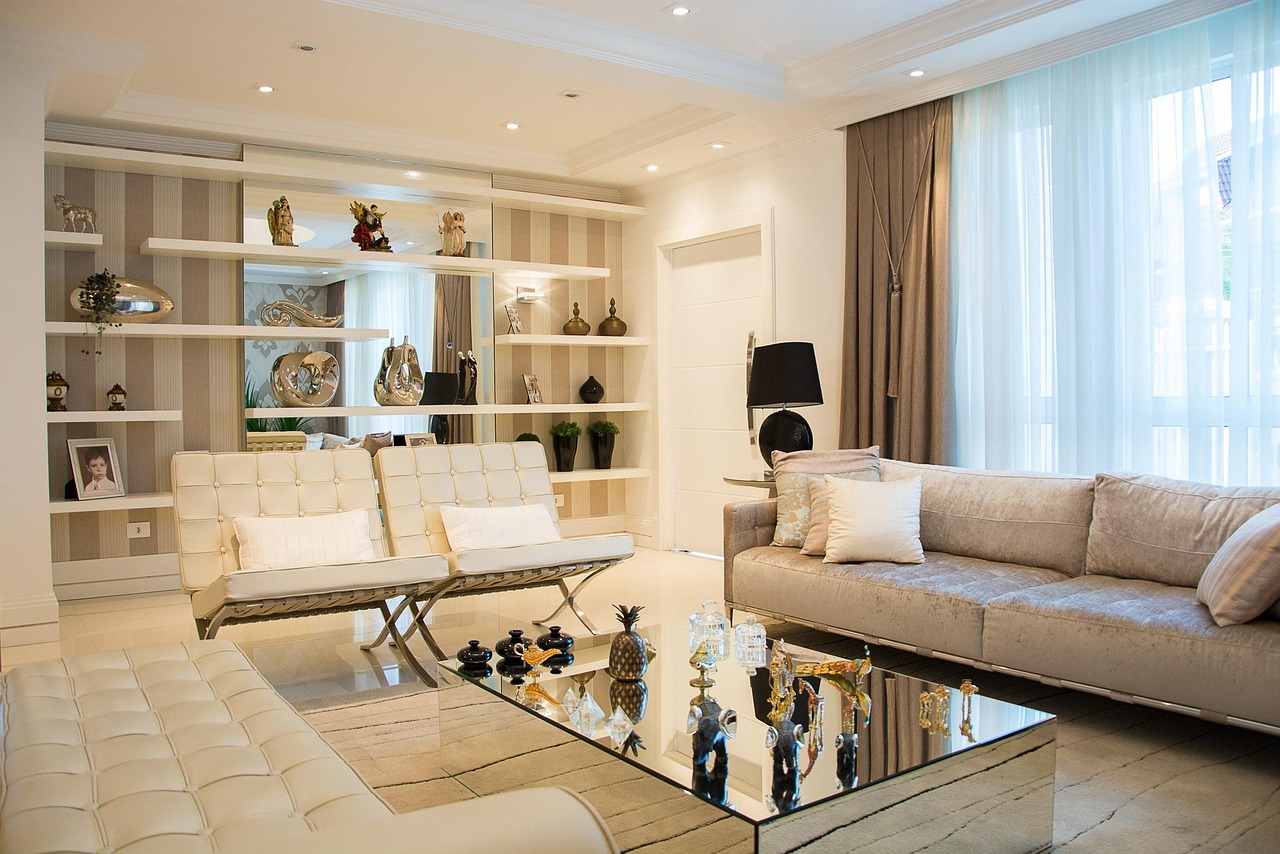
Mastering decor lifecycle assessment basics empowers you to create spaces that reflect your values while meeting aesthetic and functional needs. This knowledge transforms shopping from mindless consumption into intentional curation, decorating from surface-level styling into meaningful expression, and homes from collections of disposable objects into carefully composed environments built to last.
The environmental benefits extend far beyond individual choices. Your decisions influence markets, inspire others, and contribute to broader cultural shifts toward sustainability. The home you create becomes a daily reminder that beauty and responsibility can coexist harmoniously—that living well doesn’t require environmental harm.
As you continue developing these skills and applying these principles, you’ll find that lifecycle thinking becomes second nature. What initially requires conscious effort eventually becomes intuitive, guiding decisions automatically toward options that serve both your aesthetic vision and environmental values. This mastery represents not just knowledge gained but wisdom applied—the foundation of truly sustainable and stylish living.