Modern living demands flexibility, and modular decor delivers exactly that. Transform any room into a dynamic space that evolves with your lifestyle, tastes, and needs while championing sustainability.

The way we inhabit our homes has fundamentally changed. Gone are the days when furniture remained fixed in one position for decades, and decorating meant permanent commitments. Today’s homeowners and renters alike seek versatility, personalization, and environmentally conscious choices. Modular decor represents a revolutionary approach to interior design that addresses all these needs simultaneously, offering a refreshing alternative to traditional decorating methods that often result in waste, expense, and design fatigue.
🏠 What Makes Modular Decor Revolutionary
Modular decor refers to furniture and decorative elements designed with adaptability at their core. These pieces feature interchangeable components, reconfigurable structures, and versatile designs that allow you to rearrange, repurpose, and reinvent your space without purchasing entirely new items. Think of sectional sofas that separate into individual seating units, shelving systems that expand or contract based on your needs, and wall art that repositions easily to create fresh compositions.
The beauty of modular design lies in its inherent intelligence. Each piece serves multiple functions and adapts to different spatial requirements. A modular storage cube might function as a side table today, transform into a bookshelf tomorrow, and become a room divider next month. This versatility eliminates the need for single-purpose items that quickly become obsolete as your life circumstances change.
The Psychology Behind Adaptable Spaces
Our environments profoundly impact our mental well-being, productivity, and creativity. Research consistently shows that changing our surroundings stimulates cognitive function and prevents the stagnation that comes from overly familiar spaces. Modular decor empowers you to refresh your environment regularly without the financial and environmental costs of complete redesigns.
When you can easily reconfigure your living room for entertaining guests, create a temporary home office, or transform a corner into a meditation space, you gain control over how your environment serves your evolving needs. This adaptability reduces stress and increases satisfaction with your living space, contributing to overall quality of life.
♻️ Sustainability at the Heart of Modular Design
The environmental case for modular decor is compelling and urgent. Traditional furniture consumption follows a linear model: manufacture, use, dispose. This approach generates enormous waste, with millions of tons of furniture ending up in landfills annually. Most conventional furniture is designed for obsolescence, constructed with materials that don’t withstand disassembly or repurposing.
Modular decor disrupts this wasteful cycle by embracing circular economy principles. High-quality modular pieces are engineered for longevity, with replaceable components that extend product lifespans indefinitely. When one element shows wear, you replace only that component rather than discarding the entire piece. This approach dramatically reduces material consumption and waste generation.
Materials That Matter
Leading modular decor manufacturers prioritize sustainable materials throughout their production processes. Responsibly sourced wood, recycled metals, and innovative eco-friendly composites form the foundation of quality modular furniture. Many companies now use reclaimed materials, giving new life to resources that would otherwise contribute to environmental degradation.
The manufacturing process itself often incorporates sustainable practices, including reduced energy consumption, minimal chemical treatments, and local production that decreases transportation emissions. By choosing modular decor from environmentally conscious brands, you vote with your wallet for a more sustainable furniture industry.
💡 Design Versatility for Every Aesthetic
One common misconception suggests that modular furniture sacrifices style for functionality. The reality couldn’t be more different. Contemporary modular decor spans every design aesthetic imaginable, from minimalist Scandinavian simplicity to bold maximalist statements, rustic farmhouse charm to sleek industrial edge.
The modular approach actually enhances creative possibilities rather than limiting them. Mix and match components in different finishes, colors, and textures to create personalized combinations that reflect your unique taste. This flexibility means your decor can evolve alongside trending styles without requiring complete replacements.
Customization Without Compromise
Traditional furniture forces you to choose from predetermined configurations that may not perfectly suit your space or needs. Modular systems eliminate this constraint, offering customization that rivals bespoke furniture at a fraction of the cost. Configure shelving units to fit awkward corners, adjust seating arrangements to accommodate various group sizes, and modify storage solutions as your organizational requirements change.
This customization extends beyond mere arrangement. Many modular systems offer interchangeable facades, cushion covers, and decorative panels that let you update aesthetics without altering structural components. Switch from winter warmth to summer freshness by changing textiles, or transition from professional workspace to relaxation zone by swapping organizational components.
🔧 Practical Applications Across Every Room
Modular decor solutions exist for every area of your home, each offering specific benefits tailored to that space’s unique requirements.
Living Rooms That Adapt to Life
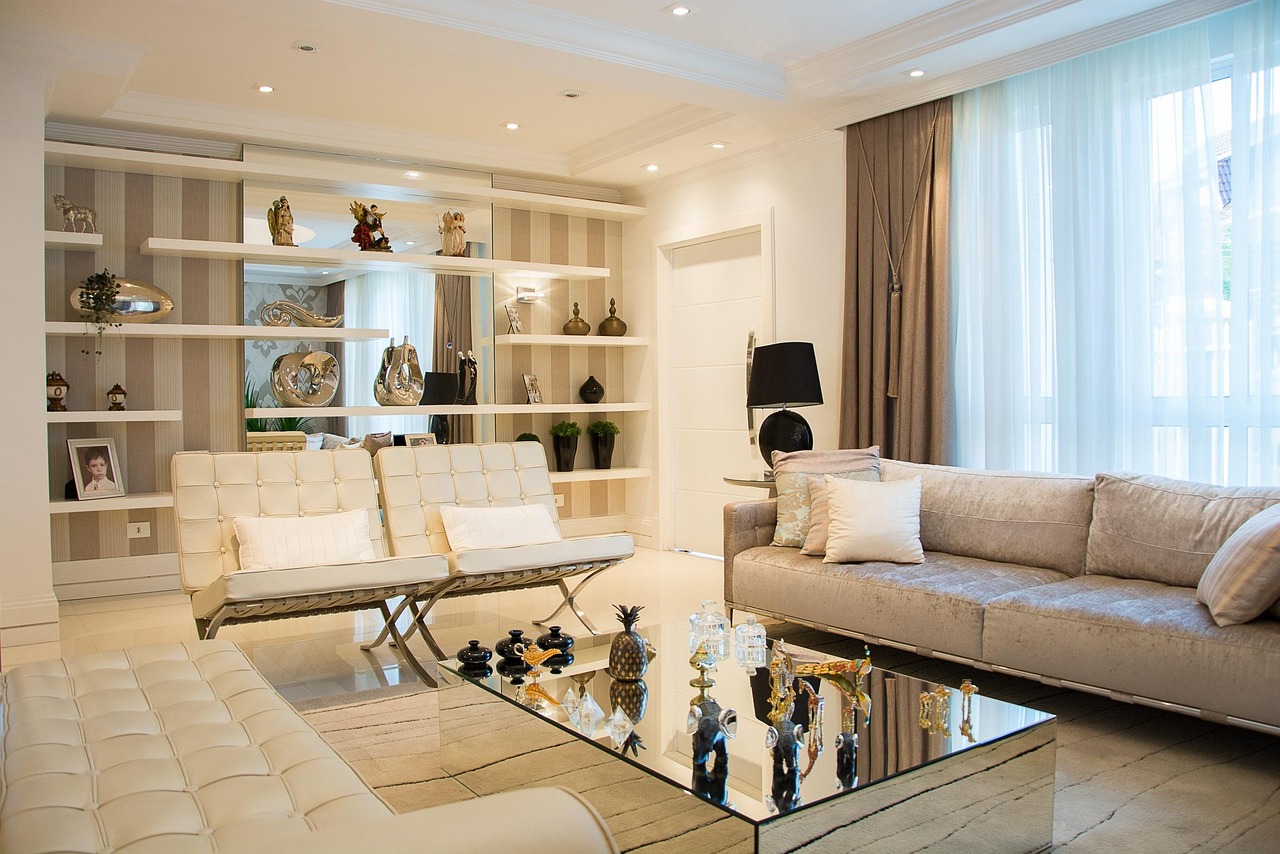
Modular sectional sofas represent perhaps the most recognized application of this design philosophy. These versatile seating systems reconfigure for movie nights, parties, casual conversations, or solo relaxation. Individual sections move independently, creating L-shapes, U-configurations, or separate seating clusters as needed.
Coffee tables with expandable surfaces, nesting side tables, and modular media centers complement flexible seating arrangements. These pieces ensure your living room accommodates both intimate family evenings and larger gatherings without feeling cramped or empty depending on the occasion.
Bedrooms That Grow With You
Modular bedroom furniture particularly benefits families with children. Cribs that convert to toddler beds, then to full-size beds, accompany children through developmental stages without replacement. Storage systems expand to accommodate growing wardrobes and changing interests, from toy storage to textbook shelving to professional attire organization.
Adult bedrooms benefit equally from modular headboards, adjustable nightstands, and reconfigurable closet systems that adapt to seasonal wardrobe rotations or lifestyle changes like new work-from-home arrangements.
Home Offices Designed for Productivity
The explosion of remote work has intensified demand for adaptable home office solutions. Modular desk systems expand when you need additional work surface for projects, then contract to reclaim living space during off-hours. Shelving units adjust to accommodate different equipment configurations, from dual monitors to crafting supplies to video production gear.
Cable management systems, ergonomic accessories, and lighting integrate seamlessly with modular workstations, creating professional environments that disappear when the workday ends—particularly valuable in homes where office space doubles as dining rooms or bedrooms.
Kitchens and Dining Areas
Modular kitchen islands provide additional prep space, storage, and seating that repositions based on cooking activities and entertaining needs. Extendable dining tables accommodate varying guest counts, while modular shelving organizes everything from cookbook collections to small appliance storage.
Open-plan living increasingly demands furniture that defines spaces without permanent walls. Modular pieces create functional zones that preserve the airy feel of open layouts while establishing distinct areas for different activities.
📊 Cost Analysis: Investment vs. Expense
The financial advantages of modular decor become clear when examining total cost of ownership rather than initial purchase price alone.
| Consideration | Traditional Furniture | Modular Decor |
|---|---|---|
| Initial Investment | Lower to moderate | Moderate to higher |
| Lifespan | 5-10 years average | 20+ years with component replacement |
| Adaptability Cost | Requires new purchases | Reconfigure existing pieces |
| Moving Expenses | Often difficult/expensive to transport | Disassembles for easy relocation |
| Resale Value | Depreciates significantly | Retains value due to quality and versatility |
While quality modular pieces may require larger upfront investments, their extended lifespan, adaptability, and retained value make them economically superior over time. Consider that replacing traditional furniture every decade costs significantly more than investing in modular systems that evolve with your needs for decades.
🛠️ Implementing Modular Decor: A Strategic Approach
Transitioning to modular decor doesn’t require abandoning everything you own overnight. Strategic implementation maximizes benefits while respecting budget constraints.
Start With High-Impact Pieces
Begin your modular journey with furniture that occupies significant visual and functional space—typically seating and storage. A modular sofa or shelving system immediately demonstrates the versatility advantage while providing the foundation for future additions.
These anchor pieces establish the aesthetic direction for your space and create frameworks around which other elements, both modular and traditional, can coexist harmoniously during your transition period.
Prioritize Problem Areas
Identify spaces in your home that consistently frustrate you due to inflexibility. Perhaps your dining area feels cramped when hosting but empty during daily meals. Maybe your entryway lacks adequate storage for seasonal variations. Address these pain points with modular solutions that specifically resolve your challenges.
This targeted approach delivers immediate quality-of-life improvements while building your collection of adaptable pieces organically over time.
Research Quality Manufacturers
Not all modular furniture delivers equal quality or sustainability. Research manufacturers’ reputations, material sourcing, construction methods, and warranty policies. Customer reviews provide valuable insights into long-term durability and company responsiveness to issues.
Investing in reputable brands ensures you receive furniture that fulfills modular decor’s promise of longevity and adaptability rather than experiencing frustration with poorly engineered systems that fail prematurely.
🌟 Design Tips for Modular Success
Maximizing modular decor’s potential requires thoughtful planning and creative vision.
Maintain Visual Cohesion
While modular pieces offer mix-and-match flexibility, maintaining visual harmony prevents spaces from feeling chaotic. Establish a cohesive color palette, material consistency, or stylistic thread that unifies diverse elements even as configurations change.
This doesn’t mean everything must match perfectly—varied textures and complementary colors create interest—but intentional relationships between pieces ensure reconfigured arrangements still feel designed rather than haphazard.
Plan for Negative Space
Modular systems’ flexibility sometimes tempts over-furnishing. Remember that negative space—the empty areas between and around furniture—is crucial for visual balance and functional flow. When reconfiguring modular pieces, regularly step back to ensure adequate breathing room.
This principle particularly matters in smaller spaces where the temptation to maximize storage can overwhelm rooms, paradoxically making them feel more cramped despite increased organization.
Document Your Configurations
Photograph successful arrangements before reconfiguring. This documentation creates a library of proven layouts you can return to seasonally or for specific occasions. Many people discover their ideal configuration takes several iterations, and photos prevent losing effective solutions in the experimentation process.
This practice also helps when explaining your vision to family members or roommates, ensuring everyone understands the plan before moving heavy furniture.
🌍 The Broader Impact of Choosing Modular
Your decision to embrace modular decor extends beyond personal benefits, contributing to systemic change in how society approaches consumption and sustainability.
The furniture industry represents one of the most wasteful sectors globally, with fast-furniture culture mimicking fast fashion’s disposable mentality. Consumer demand for sustainable, long-lasting alternatives signals manufacturers that change is necessary and profitable. Your purchases influence corporate behavior, encouraging investment in better design, materials, and business models.
Additionally, modular decor’s emphasis on longevity and repairability challenges planned obsolescence, the intentional design of products to fail or become obsolete. Supporting companies that prioritize durability and component replacement promotes an economic model that values quality over quantity, benefiting both consumers and the environment.
✨ Living the Modular Lifestyle
Adopting modular decor represents more than a decorating choice—it’s a mindset shift toward intentional living. This approach encourages regular evaluation of how your space serves your needs, promotes creativity in problem-solving, and reduces the environmental guilt associated with constant consumption.
The freedom to refresh your environment without waste or significant expense reduces decorating anxiety while increasing satisfaction with your home. You’re no longer trapped by permanent furniture arrangements or hesitant to try new layouts. Your space becomes a dynamic, responsive environment that supports your life rather than constraining it.
This philosophy extends beyond furniture to other aspects of life, encouraging thoughtful consumption, appreciation for quality, and recognition that flexibility often provides more value than rigid permanence. The modular approach cultivates adaptability as a skill, beneficial in our rapidly changing world.
🔮 Future Trends in Modular Design
The modular decor movement continues evolving, with exciting innovations emerging constantly. Smart furniture integrates technology with modularity, offering pieces that adjust automatically to user preferences or environmental conditions. Imagine sofas that reconfigure at the touch of a smartphone app or desks that automatically adjust height based on ergonomic sensors.
Material science advances promise even more sustainable options, including biodegradable components, carbon-negative production processes, and materials that actively improve indoor air quality. These innovations will make modular furniture increasingly attractive to environmentally conscious consumers.
Augmented reality applications now help visualize modular configurations before physically rearranging furniture, reducing trial-and-error while sparking creative possibilities. These digital tools democratize interior design expertise, empowering everyone to create professional-quality spaces.
🎯 Making Your Modular Vision Reality
Transforming your space with modular decor begins with a single decision: prioritizing flexibility, sustainability, and long-term value over temporary convenience. Whether you’re furnishing your first apartment, redesigning a long-term home, or seeking solutions for a growing family, modular options exist to serve your specific needs.
Start small if budget or uncertainty hold you back. A single modular shelving unit or reconfigurable table demonstrates the concept’s value without overwhelming commitment. As you experience the benefits firsthand, expanding your modular collection becomes a natural progression rather than a daunting overhaul.
Remember that perfection isn’t the goal—progress is. Each modular piece added to your home represents a step toward more sustainable, adaptable, and personally satisfying living spaces. Your journey is unique, and the beauty of modular decor lies in its ability to accommodate that individuality while supporting your evolving needs indefinitely.
The transformation awaits, offering not just a redesigned space but a reimagined relationship with your home environment—one built on flexibility, sustainability, and endless possibilities for renewal without waste. Your space has incredible potential. Modular decor provides the key to unlocking it. 🏡