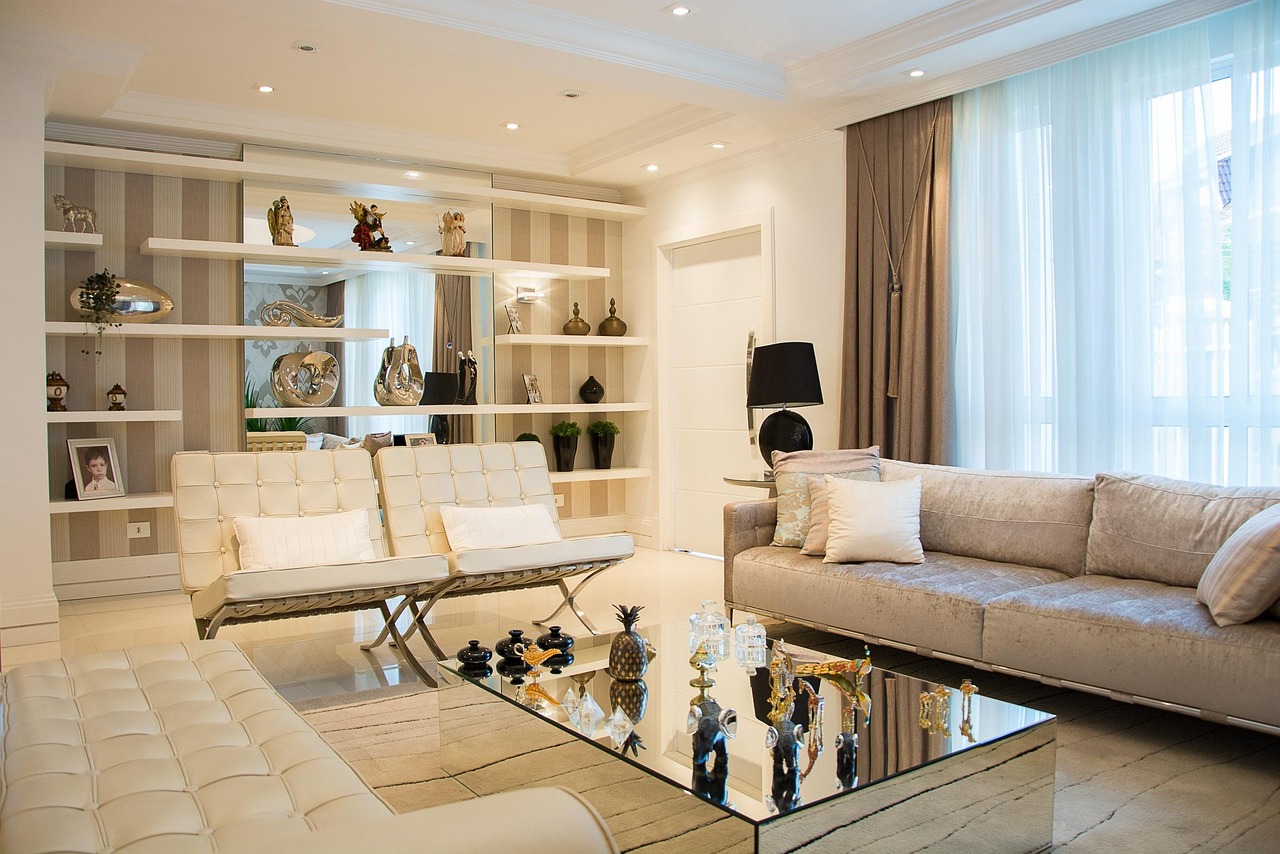
Creating a beautiful home doesn’t mean compromising your health or the environment. The eco-chic movement combines sustainable living with sophisticated design, proving that style and safety can coexist harmoniously.

As awareness grows about the impact of toxic chemicals in our living spaces, more homeowners are seeking alternatives that protect their families while maintaining aesthetic appeal. From volatile organic compounds (VOCs) in paints to formaldehyde in furniture finishes, traditional home décor materials can release harmful substances for years after application. The good news is that the market for non-toxic, eco-friendly finishes has expanded dramatically, offering stunning options that rival their conventional counterparts in both beauty and durability.
🌿 Understanding the Hidden Dangers in Traditional Finishes
Before diving into solutions, it’s essential to understand what you’re protecting yourself against. Traditional paints, stains, and sealers often contain a cocktail of chemicals that can affect indoor air quality and human health. VOCs are among the most concerning, as they evaporate at room temperature and can cause headaches, respiratory irritation, and long-term health effects with prolonged exposure.
Formaldehyde, commonly found in pressed wood products and finishes, is classified as a carcinogen. Phthalates, used to make materials more flexible, are endocrine disruptors linked to reproductive issues. Heavy metals like lead and mercury, though increasingly regulated, can still appear in some imported products. These substances don’t just affect you during application—many continue off-gassing for months or even years after your project is complete.
Children and pets are particularly vulnerable to these toxins due to their developing systems and closer proximity to floors and surfaces. Pregnant women, individuals with respiratory conditions, and those with chemical sensitivities also face heightened risks. Understanding these dangers makes the transition to non-toxic alternatives not just a lifestyle choice, but a health imperative.
The Rise of Eco-Conscious Interior Design ✨
The intersection of sustainability and style has created a design revolution. Eco-chic elegance isn’t about sacrificing aesthetics for ethics—it’s about elevating both simultaneously. This approach recognizes that truly luxurious spaces are those that nurture wellbeing while expressing personal style.
Modern eco-friendly finishes have come remarkably far from their early iterations. Where once “natural” meant limited color palettes and compromised durability, today’s options offer rich pigmentation, excellent coverage, and longevity that matches or exceeds conventional products. Major paint manufacturers now offer extensive low-VOC and zero-VOC lines, while artisan producers create stunning specialty finishes using traditional techniques and natural ingredients.
This movement extends beyond individual health concerns to encompass broader environmental responsibility. Sustainable finishes typically use renewable resources, generate less pollution during manufacturing, and create less waste. Many come in recyclable or biodegradable packaging, further reducing their environmental footprint. By choosing these products, you’re participating in a larger shift toward regenerative design practices.
Decoding Labels: What to Look for in Safe Finishes 🔍
Navigating the world of eco-friendly products requires understanding certification standards and marketing terminology. Not all “green” claims are created equal, and greenwashing is prevalent in the home improvement industry. Knowing which certifications to trust helps you make informed decisions.
Look for third-party certifications like Green Seal, which verifies low chemical emissions and environmental performance. GREENGUARD Gold certification ensures products meet strict chemical emission limits suitable for sensitive environments like schools and healthcare facilities. The EPA’s Safer Choice label indicates products made with safer chemical ingredients.
Zero-VOC doesn’t necessarily mean zero chemicals—it indicates VOC levels below 5 grams per liter, which is significantly lower than conventional paints that can contain 50-200 grams per liter. Natural paint labels often indicate products made from ingredients like clay, chalk, plant oils, and natural pigments. Low-odor formulations reduce immediate irritation but don’t necessarily indicate lower toxicity, so verify with certifications.
Key Certifications Worth Seeking
- GREENGUARD Gold: Strictest standards for chemical emissions and indoor air quality
- Green Seal: Comprehensive environmental and health standards
- EPA Safer Choice: Safer chemical ingredients verified by the Environmental Protection Agency
- Cradle to Cradle: Evaluates material health, recycling, renewable energy, and social responsibility
- EcoLogo: Multi-attribute certification covering lifecycle environmental impacts
- FSC Certified: For wood products, ensures responsible forest management
Paint and Wall Finishes: Creating Your Canvas Safely 🎨
Walls dominate visual space in any room, making paint selection crucial for both aesthetics and health. The evolution of eco-friendly paints has been remarkable, with options now available for every style preference and technical requirement.
Mineral paints made from clay, chalk, or lime create breathable surfaces with unique textural qualities. These naturally regulate humidity and resist mold growth, making them ideal for bathrooms and kitchens. Clay paints offer earthy, matte finishes with exceptional depth of color, while lime wash provides a luminous quality reminiscent of European villas. Milk paint, made from milk protein, lime, and natural pigments, delivers authentic period finishes for vintage and farmhouse aesthetics.
Plant-based paints use oils from sources like linseed, citrus, and soy as binders instead of petroleum-derived alternatives. These perform excellently while remaining biodegradable and renewable. Many major brands now offer extensive low-VOC and zero-VOC synthetic options that provide the familiar application characteristics of conventional paints without the toxic off-gassing.
Application techniques matter as much as product selection. Ensure adequate ventilation even with low-toxic products, as moisture and mild odors may still be present. Multiple thin coats typically provide better coverage and durability than single thick applications. Allow proper curing time between coats and before moving furniture back, as full curing can take several weeks even for fast-drying formulations.
Wood Finishes That Honor Natural Beauty 🪵
Wood brings warmth and character to homes, but conventional stains and sealers often contain some of the most toxic chemicals in home improvement. Fortunately, natural wood finishes can protect and enhance wood while keeping your indoor air safe.
Natural oils like linseed, tung, and walnut penetrate wood fibers to protect from within while allowing the material to breathe. These finishes enhance wood grain beautifully and are easily repairable—simply clean and reapply to worn areas without sanding the entire surface. Hard wax oils combine natural oils with waxes for enhanced durability, creating water-resistant surfaces suitable for countertops and flooring.
Shellac, derived from lac beetle secretions, is a traditional finish that’s food-safe and creates warm amber tones. It’s ideal for antique furniture restoration and interior woodwork. Water-based polyurethanes have improved dramatically, with low-VOC formulations that dry clear without yellowing, suitable for maintaining light wood tones.
Beeswax polishes provide soft protection ideal for furniture and decorative pieces. They’re incredibly easy to apply and repair, creating a subtle satin glow. For outdoor wood furniture and decking, look for plant-based oils specifically formulated with UV inhibitors and natural mold resistance.
Comparing Natural Wood Finish Options
| Finish Type | Best Uses | Durability | Maintenance |
|---|---|---|---|
| Tung Oil | Furniture, countertops | High | Moderate – reapply annually |
| Hard Wax Oil | Flooring, high-traffic surfaces | Very High | Low – spot repair as needed |
| Shellac | Interior woodwork, antiques | Moderate | Easy – dissolves for repair |
| Beeswax | Decorative furniture | Moderate | Very Easy – buff periodically |
| Water-Based Poly | Cabinets, trim | High | Low – long-lasting protection |
Furniture and Textile Selections for Complete Non-Toxic Living 🛋️
Wall and floor finishes are just the beginning—furniture, fabrics, and accessories contribute significantly to indoor air quality. Choosing pieces with non-toxic finishes completes your healthy home transformation.
When purchasing wood furniture, inquire about finishes used. Many quality furniture makers now offer natural oil finishes or water-based options. Look for solid wood construction rather than particleboard or MDF, which typically contain formaldehyde-based adhesives. If budget requires engineered wood products, seek those certified for low formaldehyde emissions, such as CARB Phase 2 compliant or NAF (no added formaldehyde) products.
Upholstered furniture presents particular challenges, as conventional pieces often contain flame retardants, stain-resistant treatments, and foam with toxic additives. Seek manufacturers that use natural latex or wool batting for cushioning, as wool is naturally flame-resistant. Organic cotton, linen, and hemp fabrics avoid pesticide residues and harsh processing chemicals. Many eco-conscious furniture companies now offer transparent information about their materials and finishes.
Window treatments impact both aesthetics and air quality. Natural fiber curtains and shades made from organic cotton, linen, bamboo, or hemp provide beauty without toxins. Avoid vinyl blinds, which can contain phthalates and lead stabilizers. Wood blinds with natural finishes offer classic appeal with safety.
Creating Stunning Accent Pieces with Safe Materials 💫
Decorative finishes and specialty techniques allow personality to shine in your space. Eco-chic elegance embraces creativity through non-toxic methods that make stunning statements.
Natural plasters and Venetian plaster techniques use lime-based materials to create sophisticated wall finishes with depth and luminosity. These breathable materials improve air quality while delivering timeless elegance. Milk paint washes and glazes create vintage effects perfect for furniture restoration and shabby chic styles. Natural pigments offer unlimited color possibilities from vibrant to subtle.
Metal accents in fixtures and hardware can be treated with natural waxes and oils rather than chemical patinas. Beeswax provides protection and soft sheen to brass, copper, and bronze. For decorative painting techniques like faux finishes and murals, use low-VOC or natural paints with safe glazing mediums.
Concrete and cement finishes have gained popularity in modern design. Natural sealers using plant-based ingredients or lithium silicate provide durable protection without toxic chemicals. These work beautifully on countertops, flooring, and decorative objects.
Room-by-Room Application Strategies 🏡
Different spaces have unique requirements that influence finish selection. Tailoring your approach ensures both safety and functionality throughout your home.
In nurseries and children’s rooms, prioritize the safest possible materials. Use zero-VOC paints, natural wood finishes, and organic textiles. Avoid particleboard furniture and synthetic carpeting, which off-gas for extended periods. Hard surfaces with natural finishes are easier to clean without harsh chemicals.
Kitchens and bathrooms require moisture-resistant finishes. Natural lime-based paints work excellently in bathrooms, naturally resisting mold. For kitchen cabinets, hard wax oils provide durable, wipeable surfaces. Stone countertops can be sealed with plant-based products designed for food-safe applications.
Living areas benefit from durable finishes that maintain beauty under regular use. Water-based polyurethanes protect flooring without yellowing, while natural oil finishes on furniture develop character over time. Choose performance-grade eco-friendly paints for high-traffic walls.
Bedrooms are where we spend the most continuous time, making them critical for non-toxic finishes. Breathable wall treatments like clay or mineral paints enhance sleep quality by regulating humidity. Natural wood furniture finished with oils or wax creates a soothing environment free from chemical off-gassing.
Maintaining Your Eco-Chic Spaces Long-Term 🌟
Beautiful, healthy spaces require appropriate maintenance to preserve both appearance and safety. Natural finishes often need different care than conventional alternatives, but the routines are typically simpler and use fewer harsh chemicals.
For painted walls, regular dusting and spot cleaning with mild natural soaps maintain appearance. Many natural paints are surprisingly washable once fully cured. Touch-ups blend seamlessly due to the absence of synthetic binders that yellow over time.
Wood surfaces with natural oil finishes benefit from periodic re-oiling in high-use areas. This is refreshingly simple—clean the surface, apply a thin coat of the same oil, let it penetrate, and wipe away excess. Waxed surfaces need occasional buffing and rewaxing to maintain their protective layer.
Natural fiber textiles respond well to gentle cleaning with plant-based detergents. Regular vacuuming extends their life, while immediate attention to spills prevents staining. Most organic fabrics can be laundered without fabric softeners or harsh stain treatments.
Preventive care extends the life of all finishes. Use coasters and trivets on wood surfaces, maintain appropriate humidity levels to prevent cracking, and keep spaces clean to avoid buildup that requires harsh cleaning methods. These simple practices maintain the beauty of your eco-chic home while supporting your health goals.

The Investment in Health and Style Pays Forward ✅
Choosing non-toxic finishes represents an investment in your family’s wellbeing and environmental future. While some eco-friendly products carry higher upfront costs, they often prove economical long-term through durability, repairability, and health benefits.
Reduced healthcare costs from better indoor air quality, improved sleep and respiratory function, and decreased chemical exposure provide tangible returns. Homes finished with natural materials often appeal to health-conscious buyers, potentially increasing resale value. Perhaps most importantly, you create spaces where everyone can truly thrive.
The eco-chic elegance movement proves that conscientious living and sophisticated design aren’t mutually exclusive—they’re complementary facets of modern home creation. By selecting beautiful, safe finishes, you craft environments that nurture both body and soul while expressing your unique aesthetic vision.
Your home should be your sanctuary, a place where beauty and wellness coexist naturally. With the abundance of non-toxic finishing options now available, creating that harmonious space has never been more achievable. Start with one room or one project, experience the difference, and watch as eco-chic elegance transforms your entire living environment into a healthier, more beautiful haven.