Creating a greener home starts with thoughtful choices about how we arrange and select our furniture. Sustainable living isn’t just a trend—it’s a necessary shift toward preserving our planet while creating beautiful, functional spaces that reflect our values and enhance our daily lives.

The way we design our living spaces has a profound impact on both our environmental footprint and our quality of life. By embracing eco-conscious furniture layout ideas, we can transform our homes into sustainable sanctuaries that minimize waste, reduce energy consumption, and promote healthier living environments. This comprehensive guide will explore innovative approaches to furniture arrangement and selection that prioritize sustainability without compromising style or comfort.
🌱 Understanding Sustainable Furniture Design Principles
Before diving into specific layout ideas, it’s essential to understand what makes furniture truly sustainable. Eco-conscious furniture goes beyond simply using recycled materials—it encompasses the entire lifecycle of each piece, from sourcing and manufacturing to longevity and eventual disposal or repurposing.
Sustainable furniture prioritizes materials that are renewable, recycled, or reclaimed. This includes responsibly harvested wood certified by organizations like the Forest Stewardship Council (FSC), bamboo, cork, recycled metals, and organic fabrics. Additionally, sustainable pieces are built to last, reducing the need for frequent replacements that contribute to landfill waste.
The manufacturing process also matters significantly. Furniture produced with minimal chemical treatments, low-VOC finishes, and energy-efficient production methods reduces environmental harm. Local craftsmanship often has a smaller carbon footprint than mass-produced items shipped across continents, making locally-made pieces an excellent sustainable choice.
Maximizing Natural Light Through Strategic Furniture Placement ☀️
One of the most impactful ways to create a sustainable home environment is by optimizing natural light through intelligent furniture arrangement. Proper placement can dramatically reduce your reliance on artificial lighting, cutting energy consumption and lowering your electricity bills.
Start by identifying the natural light sources in each room. Position workspaces, reading nooks, and activity areas near windows to take full advantage of daylight hours. Avoid placing tall furniture pieces directly in front of windows, as this blocks precious sunlight from penetrating deeper into your space.
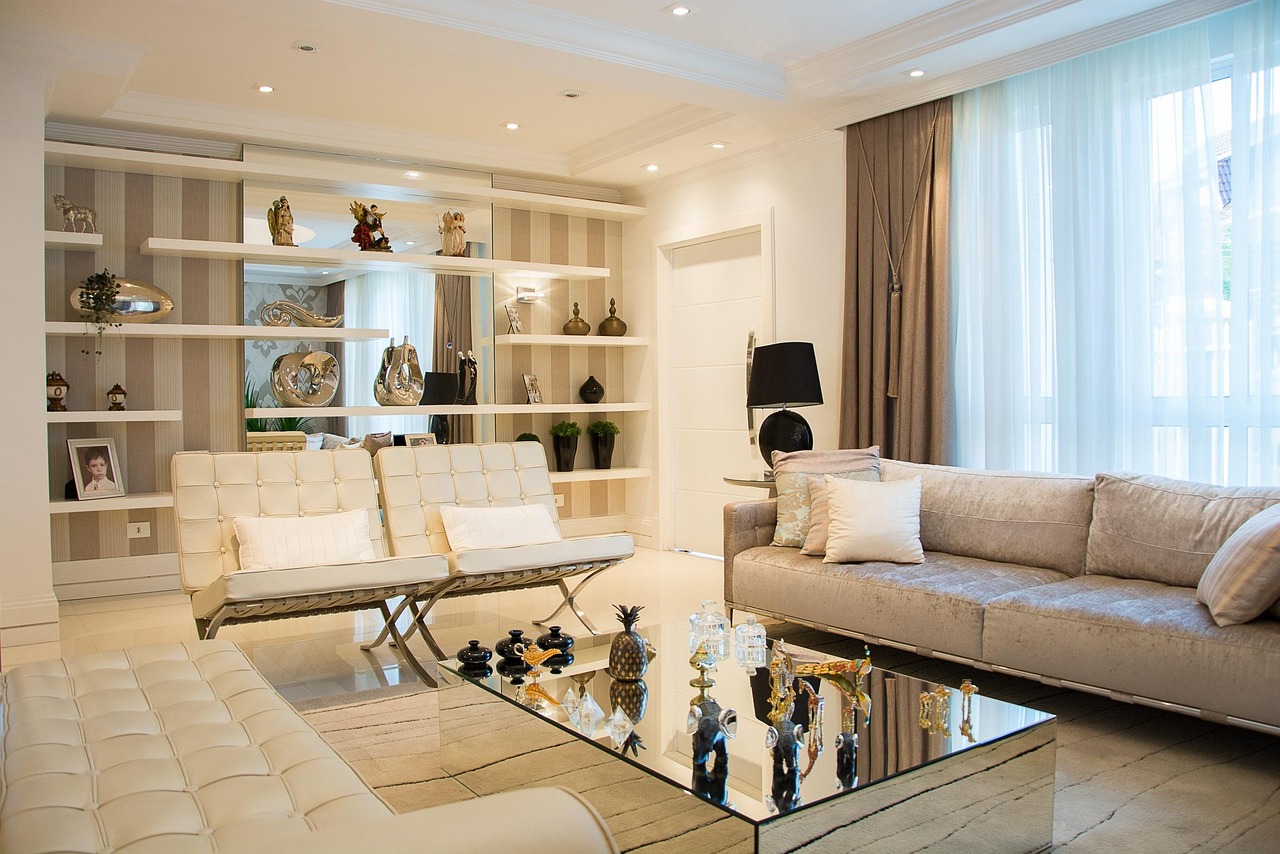
Consider using mirrors strategically across from or adjacent to windows to amplify natural light throughout the room. Low-profile furniture near windows allows light to flow freely over and around pieces, creating a brighter, more energy-efficient environment. Sheer curtains or light-filtering window treatments maintain privacy while still allowing natural illumination to filter through.
Creating Light Pathways in Open Floor Plans
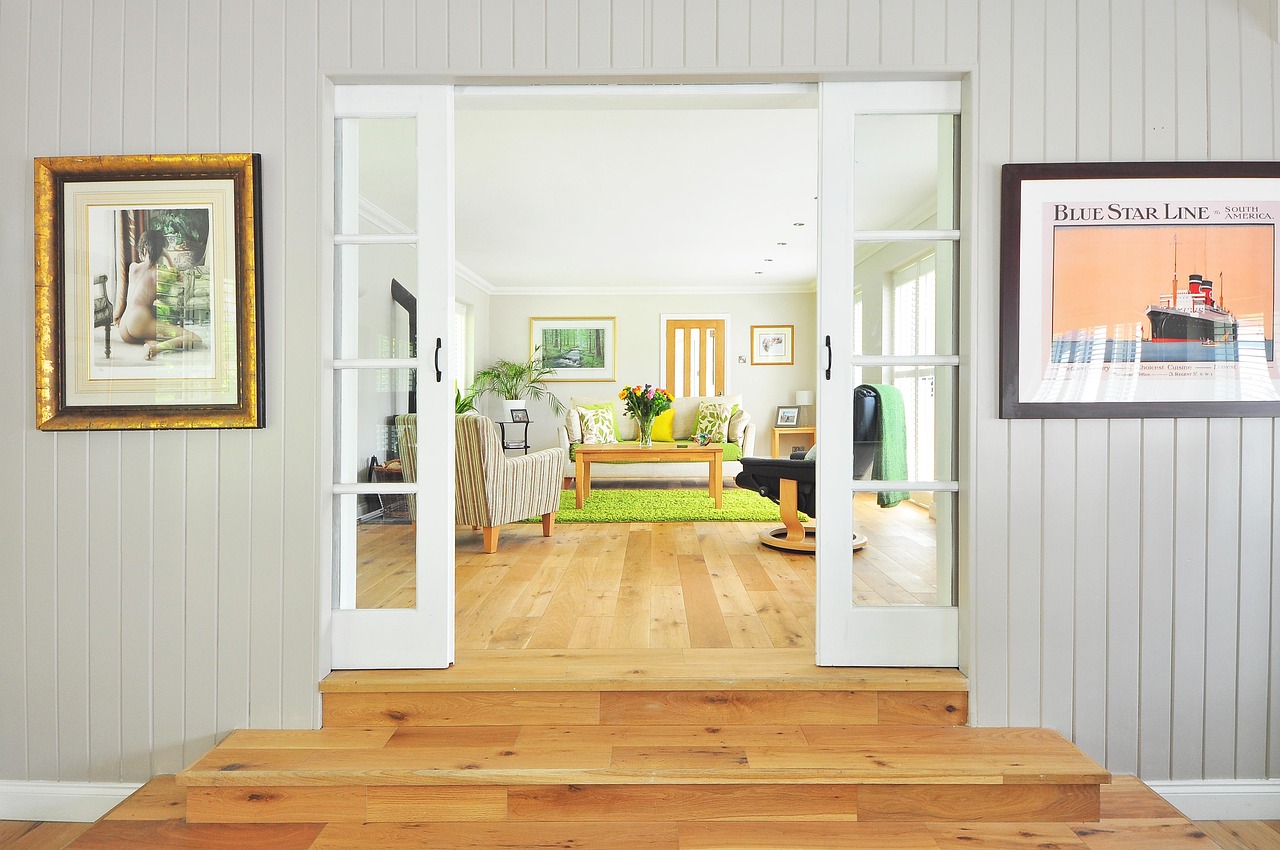
In open-concept spaces, arrange furniture to create clear pathways for light to travel from one area to another. Use furniture as subtle dividers rather than solid walls, maintaining visual and literal light flow throughout your home. Transparent or semi-transparent materials like glass, acrylic, or open shelving units preserve sight lines while defining distinct zones.
Multi-Functional Furniture: The Cornerstone of Sustainable Living
Perhaps the most sustainable piece of furniture is one that serves multiple purposes, eliminating the need for additional items. Multi-functional furniture reduces consumption, saves space, and often results in a more organized, clutter-free home environment.
Consider investing in convertible pieces like sofa beds, extendable dining tables, ottoman storage units, and fold-down desks. These versatile items adapt to your changing needs throughout the day and across different life stages, providing exceptional long-term value and reducing the temptation to purchase single-purpose pieces.
Storage beds with built-in drawers eliminate the need for separate dressers or storage units. Nesting tables can be separated when entertaining but tucked away to save space during regular use. Coffee tables with lift-top mechanisms transform into workspaces or dining surfaces, making them ideal for compact living situations.
Modular Furniture Systems for Evolving Needs
Modular furniture offers exceptional sustainability through adaptability. These configurable systems can be rearranged, expanded, or reconfigured as your needs change, preventing the wasteful cycle of discarding and replacing entire furniture sets when life circumstances shift.
Modular shelving systems, sectional sofas, and customizable storage solutions grow with your family and adapt to new spaces when you move. This flexibility significantly extends the usable life of your furniture investment while reducing environmental impact.
🌿 Biophilic Design: Integrating Nature Into Your Layout
Biophilic design—the practice of connecting indoor spaces with the natural world—creates healthier, more sustainable living environments. Integrating plants, natural materials, and organic shapes into your furniture layout improves air quality, reduces stress, and strengthens our connection to nature.
Arrange furniture to accommodate indoor plants throughout your space. Create plant displays on shelving units, hang planters near windows, and designate corner areas for larger potted trees. Plants not only purify air but also serve as living decor that evolves with the seasons.
Choose furniture made from natural materials like solid wood, rattan, bamboo, and stone. These materials age beautifully, often improving in character over time rather than deteriorating like synthetic alternatives. Their production typically requires less energy and fewer harmful chemicals compared to manufactured materials.
Creating Green Zones Throughout Your Home
Designate specific areas as “green zones” where plants take center stage. A window alcove transformed into a mini indoor garden, a living wall behind a sofa, or a plant-filled corner creates focal points that enhance both aesthetics and air quality. Arrange seating to face or incorporate these green spaces, making nature an integral part of your daily experience.
Energy-Efficient Furniture Arrangements for Climate Control 🌡️
Strategic furniture placement can significantly impact your home’s heating and cooling efficiency, reducing energy consumption throughout the year. Understanding how furniture affects air circulation and temperature regulation helps create more comfortable, sustainable spaces.
Avoid blocking heating vents, radiators, or air conditioning returns with furniture. Maintain at least several inches of clearance around these features to ensure proper airflow and system efficiency. Blocked vents force HVAC systems to work harder, consuming more energy and potentially shortening equipment lifespan.
Position large furniture pieces like bookcases and wardrobes against exterior walls to create insulation layers during extreme temperatures. This buffer zone helps regulate indoor temperatures, reducing heating and cooling demands. In summer, arrange furniture away from direct sunlight exposure to prevent heat absorption that increases cooling needs.
Seasonal Furniture Rotation Strategies
Consider implementing seasonal furniture arrangements that optimize comfort and efficiency year-round. In winter, pull seating closer to heat sources and away from drafty windows. During summer, rearrange to maximize cross-ventilation and position furniture to benefit from cooling breezes while avoiding direct sun exposure.
Repurposed and Upcycled Furniture Layout Concepts
Some of the most sustainable furniture pieces are those that have been rescued from landfills and given new life through creative repurposing. Incorporating vintage, antique, and upcycled items into your layout adds character while making a powerful environmental statement.
Vintage furniture often boasts superior craftsmanship and materials compared to modern mass-produced alternatives. A well-maintained mid-century dresser or antique dining table can serve your family for generations, representing true sustainability through longevity.
Look for opportunities to repurpose items creatively within your layout. Old wooden crates become rustic shelving units, vintage suitcases transform into quirky side tables, and reclaimed doors can be fashioned into unique headboards or desk surfaces. These one-of-a-kind pieces tell stories while reducing demand for new manufacturing.
Balancing Old and New in Your Space
Creating a cohesive look with mixed vintage and contemporary pieces requires thoughtful arrangement. Use color palettes, textures, or design eras as unifying themes. Position statement vintage pieces as focal points, surrounded by simpler contemporary items that allow the older pieces to shine without overwhelming the space.
Minimalist Layouts: Less is More for Sustainability 🎯
Embracing minimalism isn’t just an aesthetic choice—it’s a powerful sustainability practice. By carefully curating your furniture selections and arrangements, you reduce consumption, simplify maintenance, and create calmer, more functional living spaces.
A minimalist approach encourages investing in fewer, higher-quality pieces rather than filling rooms with disposable furniture. Each item should serve a clear purpose and be something you genuinely love. This intentional approach prevents accumulation of unnecessary possessions that eventually require disposal.
When planning minimalist layouts, focus on essential furniture pieces that align with how you actually use each space. Remove or avoid purchasing items that serve primarily decorative purposes or duplicate functions already covered by other pieces. Clear, open spaces improve traffic flow, make rooms feel larger, and simplify cleaning routines.
The Environmental Impact of Decluttering
Regularly evaluating your furniture needs and removing unused items creates opportunities for responsible rehoming. Donate functional pieces to charitable organizations, sell them through secondhand marketplaces, or offer them to friends and family. Keeping furniture in use—even if not in your own home—represents true sustainability.
Sustainable Materials and Finishes to Prioritize 🌾
When selecting furniture for your eco-conscious layout, the materials and finishes matter as much as the arrangement itself. Understanding which options minimize environmental impact helps you make informed decisions that align with your sustainability goals.
Solid wood from responsibly managed forests represents an excellent sustainable choice. Look for FSC certification, which ensures forests are managed to preserve biodiversity and support local communities. Hardwoods like oak, maple, and walnut are exceptionally durable, often lasting for generations with proper care.
Bamboo has emerged as a popular sustainable alternative due to its rapid growth rate and regenerative properties. This grass-like plant reaches maturity in just three to five years, compared to decades for hardwood trees. Bamboo furniture offers comparable strength and durability to traditional wood while requiring minimal resources to cultivate.
Recycled and reclaimed materials prevent waste while reducing demand for virgin resources. Furniture crafted from reclaimed wood salvaged from old buildings, recycled metals, or repurposed plastics diverts materials from landfills while creating unique pieces with character and history.
Natural Fabric Choices for Upholstery
Upholstered furniture should feature natural, organic fabrics whenever possible. Organic cotton, linen, hemp, and wool are produced without harmful pesticides and chemicals, making them healthier for both the environment and your indoor air quality. These natural fibers are also biodegradable at the end of their useful life, unlike synthetic alternatives.
Creating Flexible Spaces That Adapt Over Time
The most sustainable layouts are those that adapt to changing needs without requiring complete overhauls. Designing flexible spaces from the outset reduces the likelihood of future furniture disposal and replacement as your circumstances evolve.
Use lightweight, easily movable furniture pieces that can be rearranged without significant effort. Avoid built-in furniture or heavy pieces that lock you into specific configurations. Casters on furniture legs increase mobility, allowing you to experiment with different layouts or quickly reconfigure spaces for different activities.
Plan for life changes by selecting furniture appropriate for multiple scenarios. A guest room doubles as a home office with the right furniture choices. A dining area can transform into a workspace or creative studio when needed. This versatility prevents the need for specialized rooms that sit unused most of the time.
Future-Proofing Your Furniture Investments
When purchasing new furniture, consider not just your current needs but potential future scenarios. Will pieces work if you move to a different home? Can they be repurposed for different rooms or functions? Investing in classic, neutral designs with timeless appeal ensures pieces remain relevant through changing trends and life stages.
🔄 Circular Economy Approaches to Furniture
Embracing circular economy principles—where products are designed for longevity, reuse, and eventual recycling—represents the future of sustainable furniture. This approach views furniture not as disposable goods but as valuable resources that should remain in use as long as possible.
Choose furniture from manufacturers committed to take-back programs, where they accept old pieces for refurbishment or recycling when you’re ready to upgrade. Some companies now design furniture specifically for disassembly, making it easier to repair, upgrade components, or recycle materials at end-of-life.
Participate in furniture sharing or rental programs for items you need temporarily. Instead of purchasing furniture for short-term situations—a crib for infant months, furniture for a temporary living situation, or extra seating for a special event—consider renting or borrowing. This sharing economy approach maximizes the utility of each piece while minimizing overall production.
Small Space Solutions With Big Sustainability Impact
Compact living spaces inherently support sustainability by requiring fewer resources to furnish, heat, cool, and maintain. Maximizing small spaces through clever furniture layouts and selections demonstrates that sustainable living doesn’t require expansive square footage.
Vertical storage solutions make the most of limited floor space while keeping rooms organized and clutter-free. Wall-mounted shelving, tall bookcases, and hanging organizers draw the eye upward, making rooms feel larger while maximizing storage capacity without additional furniture pieces.
Furniture scaled appropriately for small spaces prevents rooms from feeling cramped while still providing necessary functions. A loveseat instead of a full sofa, a round dining table rather than rectangular, or wall-mounted desks that fold away when not in use all contribute to more livable compact spaces.
Multi-Zone Layouts in Studio Apartments
Even in studio apartments, you can create distinct zones for different activities using strategic furniture placement. A bookshelf positioned perpendicular to the wall creates a room divider between sleeping and living areas. An open shelving unit defines zones while maintaining light flow and visual connection throughout the space.
Bringing It All Together: Your Sustainable Home Journey 🏡
Transforming your space sustainably through eco-conscious furniture layouts is a journey, not a destination. Start with small changes—rearranging existing pieces to maximize natural light, incorporating plants, or swapping one conventional item for a sustainable alternative. Each decision contributes to a greener, healthier home environment.
Remember that perfect sustainability is impossible, but consistent effort makes a real difference. Prioritize quality over quantity, choose materials and manufacturers aligned with your values, and view your furniture as long-term investments rather than temporary solutions. By thinking critically about what you bring into your home and how you arrange it, you create spaces that reflect both your personal style and your commitment to environmental stewardship.
Your furniture choices ripple outward, influencing manufacturing practices, resource consumption, and waste generation. As more people embrace sustainable furniture layouts and selections, we collectively shift market demand toward greener options, encouraging innovation and making eco-conscious choices increasingly accessible and affordable for everyone.
The beauty of sustainable furniture design is that it doesn’t require sacrifice—in fact, eco-conscious spaces often prove more beautiful, comfortable, and personally meaningful than conventionally furnished homes. Natural materials age gracefully, quality pieces provide lasting satisfaction, and thoughtful arrangements create harmonious environments that nurture both occupants and the planet.