Creating a home that stands the test of time requires more than following fleeting trends. It demands a thoughtful approach that harmonizes aesthetic appeal with functional durability and environmental consciousness.

The concept of “Design for Life” represents a paradigm shift in how we approach interior design and home decoration. Rather than constantly chasing the latest styles or replacing furniture every few years, this philosophy encourages homeowners to invest in pieces and principles that will serve them beautifully for decades. It’s about creating spaces that grow with you, adapt to your changing needs, and minimize environmental impact while maximizing visual and functional satisfaction.
In an era of fast furniture and disposable decor, embracing timeless design principles isn’t just aesthetically wise—it’s financially savvy and environmentally responsible. This comprehensive guide explores how to elevate your living spaces through design choices that honor both form and function, creating a home that reflects your values while standing beautifully against the passage of time.
🏛️ Understanding Timeless Design Principles
Timeless design transcends momentary fashion, rooting itself in fundamental principles that have guided beautiful spaces for centuries. These principles focus on proportion, balance, harmony, and functionality—elements that remain aesthetically pleasing regardless of current trends.
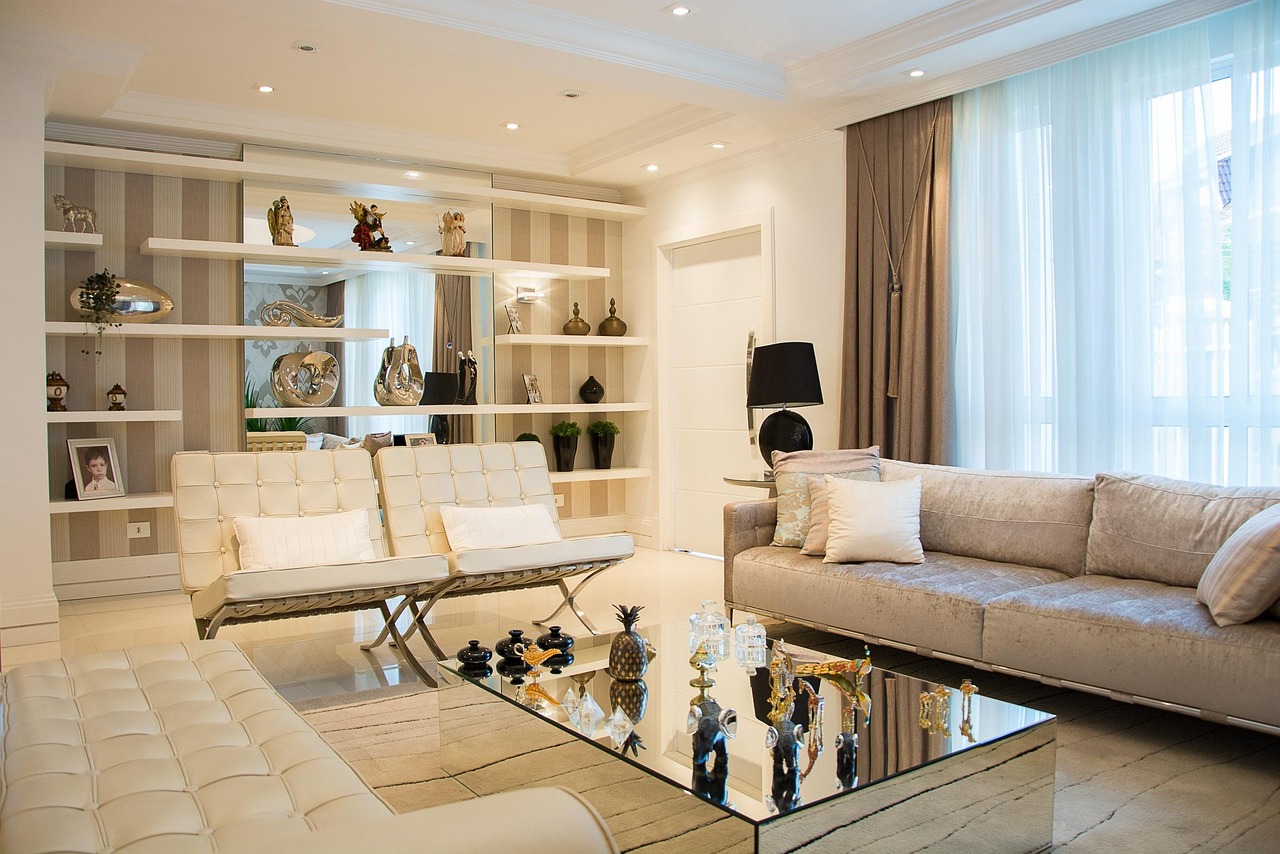
The foundation of timeless design lies in simplicity and quality. Clean lines, neutral palettes, and well-crafted pieces create a canvas that can be refreshed with accessories and textiles without requiring complete overhauls. This approach doesn’t mean your space must be boring or devoid of personality; rather, it establishes a sophisticated backdrop that allows your personal touches to shine without overwhelming the senses.
Classical proportions and symmetry naturally appeal to human perception. Rooms designed with balanced furniture arrangements, properly scaled pieces, and thoughtful spatial relationships feel inherently comfortable and visually satisfying. These mathematical relationships between elements—from the golden ratio to proper furniture sizing—create harmony that never goes out of style.
💎 Investing in Quality Over Quantity
The cornerstone of sustainable, long-lasting design is choosing quality materials and construction over cheap, mass-produced alternatives. While the initial investment may be higher, well-made furniture and fixtures will outlast their budget counterparts many times over, ultimately saving money and reducing waste.
When evaluating furniture quality, examine joinery techniques, material composition, and manufacturer reputation. Solid wood construction with dovetail or mortise-and-tenon joints will endure for generations, while particle board with glue and staples may fail within years. Natural materials like hardwood, stone, metal, and natural fibers not only last longer but also age gracefully, developing character rather than simply deteriorating.
Key Quality Indicators to Look For
- Solid wood frames: Look for hardwoods like oak, walnut, or maple rather than veneers over particle board
- Eight-way hand-tied springs: In upholstered furniture, this construction method provides superior comfort and longevity
- Dovetail joints: In drawers and cabinets, this interlocking joinery indicates superior craftsmanship
- Natural fabrics: Linen, wool, cotton, and leather wear better and feel more luxurious than synthetic alternatives
- Solid brass or stainless steel hardware: Quality fixtures and handles that won’t tarnish or break easily
- Stone or ceramic countertops: Durable surfaces that resist damage and maintain their beauty
🌿 Embracing Sustainable Materials and Practices
Sustainability and timeless design are natural companions. By choosing materials and products that minimize environmental impact, you’re not only contributing to planetary health but also selecting items more likely to be durable and well-made.
Reclaimed and recycled materials offer both environmental benefits and unique aesthetic appeal. Reclaimed wood carries history and character impossible to replicate in new materials, while recycled metals and glass reduce mining and manufacturing impacts. Many contemporary manufacturers now prioritize sustainable sourcing, offering FSC-certified woods, low-VOC finishes, and recycled content options without compromising quality or style.
Local and regional materials reduce transportation emissions while supporting local economies. Stone, wood, and textiles sourced from nearby suppliers also tend to be better suited to local climate conditions and architectural traditions, creating spaces that feel authentically connected to their location.
Sustainable Material Choices by Category
| Category | Sustainable Options | Benefits |
|---|---|---|
| Flooring | Bamboo, cork, reclaimed hardwood, natural linoleum | Renewable, durable, biodegradable |
| Furniture | FSC-certified wood, recycled metal, vintage pieces | Responsibly sourced, reduces waste |
| Textiles | Organic cotton, linen, hemp, wool | Natural, biodegradable, long-lasting |
| Paint | Low-VOC or zero-VOC formulations | Better indoor air quality, healthier |
| Countertops | Recycled glass, natural stone, sustainably harvested wood | Durable, non-toxic, beautiful aging |
🎨 Creating a Neutral Foundation with Character
Neutral color palettes form the backbone of timeless interiors, providing versatility and longevity that bold colors rarely achieve. However, neutral doesn’t mean bland or monochromatic. The most sophisticated neutral schemes layer various tones, textures, and materials to create depth and visual interest.
Start with a base of warm or cool neutrals depending on your space’s natural light and architectural style. Whites, creams, grays, beiges, and earth tones provide endless variation while maintaining flexibility for future updates. These foundational colors allow you to change accent colors, artwork, and accessories without repainting or replacing major elements.
Texture becomes paramount in neutral schemes. Mixing smooth plaster walls with rough linen upholstery, polished wood floors with nubby wool rugs, and matte paint with glossy ceramic creates visual richness without relying on color contrasts. Natural materials inherently provide textural variety while reinforcing the connection between interior and natural world.
✨ Balancing Function and Beauty
The most enduring designs seamlessly integrate functionality with aesthetic appeal. Rooms that look beautiful but don’t serve their inhabitants’ needs will eventually be remodeled, while purely functional spaces lacking beauty fail to nourish the soul. Successful design honors both requirements equally.
Consider how each space will actually be used before making design decisions. A living room that hosts frequent family movie nights needs durable, comfortable seating and practical storage for electronics and media. A dining room that doubles as a homework station requires adequate lighting and accessible storage. By honestly assessing lifestyle needs, you can select furniture, finishes, and layouts that support daily life while maintaining visual appeal.
Storage solutions deserve particular attention in functional design. Built-in cabinetry, window seats with hidden compartments, and furniture with integrated storage reduce clutter while maximizing usable space. Well-designed storage becomes architecturally integrated rather than appearing as an afterthought, contributing to rather than detracting from the room’s aesthetics.
🛋️ Selecting Versatile Furniture Pieces
Timeless furniture pieces share certain characteristics: classic silhouettes, neutral upholstery, quality construction, and versatile styling that works across multiple design aesthetics. These foundational pieces anchor your rooms while allowing flexibility in surrounding decor.
Classic furniture forms have endured because they successfully balance proportion, comfort, and style. A well-designed sofa with clean lines and quality upholstery works equally well in traditional, transitional, or contemporary settings. Similarly, a simple wooden dining table can be dressed formally or casually depending on surrounding elements.
Modular and adaptable furniture offers additional longevity by responding to changing needs. Sectional sofas that can be reconfigured, extending dining tables, and adjustable shelving systems grow and adapt with your household. This flexibility reduces the need for replacement when circumstances change, whether that means growing families, downsizing, or relocating.
Investment-Worthy Furniture Pieces
- Quality sofa: The living room centerpiece deserves significant investment for comfort and durability
- Solid wood dining table: A well-made table serves generations and becomes a family heirloom
- Classic upholstered chairs: Versatile seating that can move between rooms and purposes
- Real wood bed frame: Superior to metal frames, provides lasting support and timeless appeal
- Hardwood dresser or chest: Quality case goods with proper joinery last indefinitely
- Neutral area rugs: Natural fiber or quality wool rugs ground spaces and withstand heavy use
🖼️ Incorporating Personal Style Without Dating Your Space
While timeless design emphasizes enduring principles, your home should still reflect your personality and tell your story. The key is expressing individuality through easily changeable elements rather than permanent fixtures.
Artwork, textiles, accessories, and plants offer perfect opportunities for personal expression and trend experimentation. These elements can be updated seasonally or as your tastes evolve without requiring significant investment or renovation. A neutral sofa remains relevant for decades while throw pillows can shift with color preferences, and artwork can be rotated to refresh the space.
Collections and meaningful objects add personality and narrative depth to spaces. Rather than scattering trinkets throughout your home, curate intentional displays of items with personal significance. Whether it’s travel souvenirs, family photographs, or pottery you’ve created, thoughtful arrangements of meaningful objects create visual interest while telling your unique story.
💡 Lighting: The Often Overlooked Design Element
Lighting profoundly impacts how we experience spaces, yet it’s frequently treated as an afterthought. Thoughtful lighting design enhances architecture, sets mood, and improves functionality while contributing to the room’s overall aesthetic.
Layer different lighting types—ambient, task, and accent—to create flexible, adaptable spaces. Overhead fixtures provide general illumination, table and floor lamps offer task lighting for reading or working, and picture lights or uplighting add drama and highlight architectural features. This layered approach allows you to adjust lighting levels for different activities and times of day.
Choose lighting fixtures as carefully as furniture, prioritizing timeless designs over trendy styles. Classic materials like brass, bronze, glass, and ceramic age beautifully and coordinate with various design aesthetics. Simple, well-proportioned fixtures won’t look dated in ten years, while overly trendy designs will quickly appear passé.
🌱 Bringing Nature Indoors
Biophilic design—incorporating natural elements into interior spaces—supports both wellbeing and timeless aesthetics. Humans are innately drawn to natural materials, patterns, and living things, making nature-inspired design perpetually appealing.
Houseplants improve air quality while adding life, color, and texture to interiors. From dramatic fiddle-leaf figs to cascading pothos, plants introduce organic forms and movement that contrast beautifully with architectural geometry. Even those without green thumbs can incorporate preserved moss walls, dried botanicals, or extremely low-maintenance plants like sansevieria.
Natural materials and finishes reinforce the indoor-outdoor connection. Exposed wood beams, stone accents, natural fiber rugs, and organic textiles create tactile richness while connecting inhabitants to the natural world. These materials also tend to age gracefully, developing patina and character rather than simply wearing out.
🔧 Maintaining and Caring for Lasting Pieces
Even the highest-quality items require proper care to achieve their full lifespan potential. Establishing maintenance routines protects your investment while ensuring your home remains beautiful and functional for decades.
Regular cleaning and preventive maintenance extend furniture life significantly. Dust wooden furniture regularly and polish periodically with appropriate products. Vacuum upholstery and rotate cushions to ensure even wear. Address stains and damage promptly before they become permanent. These simple practices prevent premature aging and maintain appearance.
Professional restoration and reupholstery can give quality pieces new life when they show age. A well-constructed chair or sofa with tired fabric can be completely refreshed for a fraction of replacement cost. Refinishing scratched wood furniture restores its original beauty while maintaining the piece’s structural integrity and sentimental value.
🏠 Adapting Timeless Principles to Different Home Styles
Timeless design principles apply across architectural styles and personal aesthetics. Whether your home is modern, traditional, farmhouse, or eclectic, these foundational concepts create spaces that endure.
In contemporary homes, timeless design emphasizes clean lines, minimal ornamentation, and quality materials like natural stone, wood, and metal. The focus on form, proportion, and craftsmanship aligns perfectly with modern aesthetics while avoiding trend-dependent elements that quickly date.
Traditional spaces benefit from classic furniture forms, symmetrical arrangements, and rich materials like hardwood and natural stone. By choosing traditional pieces with restraint and balancing them with simpler elements, you avoid the overly formal, museum-like feel that can make traditional interiors feel stagnant.
Eclectic spaces mixing styles require careful curation to avoid chaos. Anchor eclectic rooms with timeless foundational pieces in neutral tones, then layer more distinctive items as accents. This approach allows personality to shine while maintaining visual coherence and longevity.
🌍 The Long-Term Impact of Design Choices
Every design decision carries environmental, financial, and personal implications extending far beyond initial purchase. Understanding these broader impacts helps us make choices aligned with our values and long-term wellbeing.
The furniture industry generates enormous waste, with millions of tons of discarded furniture entering landfills annually. Fast furniture—cheaply made pieces designed for short lifespans—contributes disproportionately to this waste stream. By choosing durable, repairable items intended to last decades, we dramatically reduce our environmental footprint while creating more meaningful relationships with our possessions.
Financially, investing in quality pieces proves economical over time. A $2,000 sofa lasting 20 years costs $100 annually, while a $500 sofa replaced every five years costs the same amount but generates four times the waste. Quality pieces also retain resale value, recovering some initial investment if you eventually sell or donate them.
Psychologically, living with beautiful, well-made objects we’ve chosen thoughtfully enhances daily life. These pieces become companions in our life stories, accumulating memories and meaning impossible to replicate with disposable items. This emotional connection encourages care and longevity while providing genuine satisfaction beyond momentary consumer gratification.
🎯 Starting Your Timeless Design Journey
Transforming your home through timeless design principles doesn’t require complete renovation or unlimited budget. Start small, prioritize strategically, and build gradually toward your vision.
Begin by assessing your current space honestly. Which pieces truly serve you well and could last decades with proper care? Which items need replacement due to poor quality or because they don’t suit your lifestyle? Create a prioritized list focusing on the most-used spaces and items that impact daily life most significantly.
Research thoroughly before making major purchases. Read reviews, visit showrooms to examine construction quality, and compare options across price points. Understanding what distinguishes quality from mediocrity empowers better decisions and prevents expensive mistakes. Consider working with interior designers who specialize in sustainable, timeless design for guidance on major projects.
Remember that creating a timeless home is a journey rather than a destination. Rooms evolve organically as you acquire meaningful pieces, refine your aesthetic, and adapt to life changes. Embracing this gradual process reduces pressure while allowing you to make thoughtful, intentional choices rather than rushing to complete spaces quickly.
The beauty of designing for life lies in creating spaces that truly serve and delight you while respecting both planetary resources and future generations. By choosing quality over quantity, function alongside beauty, and enduring principles over fleeting trends, you craft a home that grows more meaningful with each passing year—a genuine sanctuary that stands beautifully against time’s passage while supporting the life you want to live. 🏡