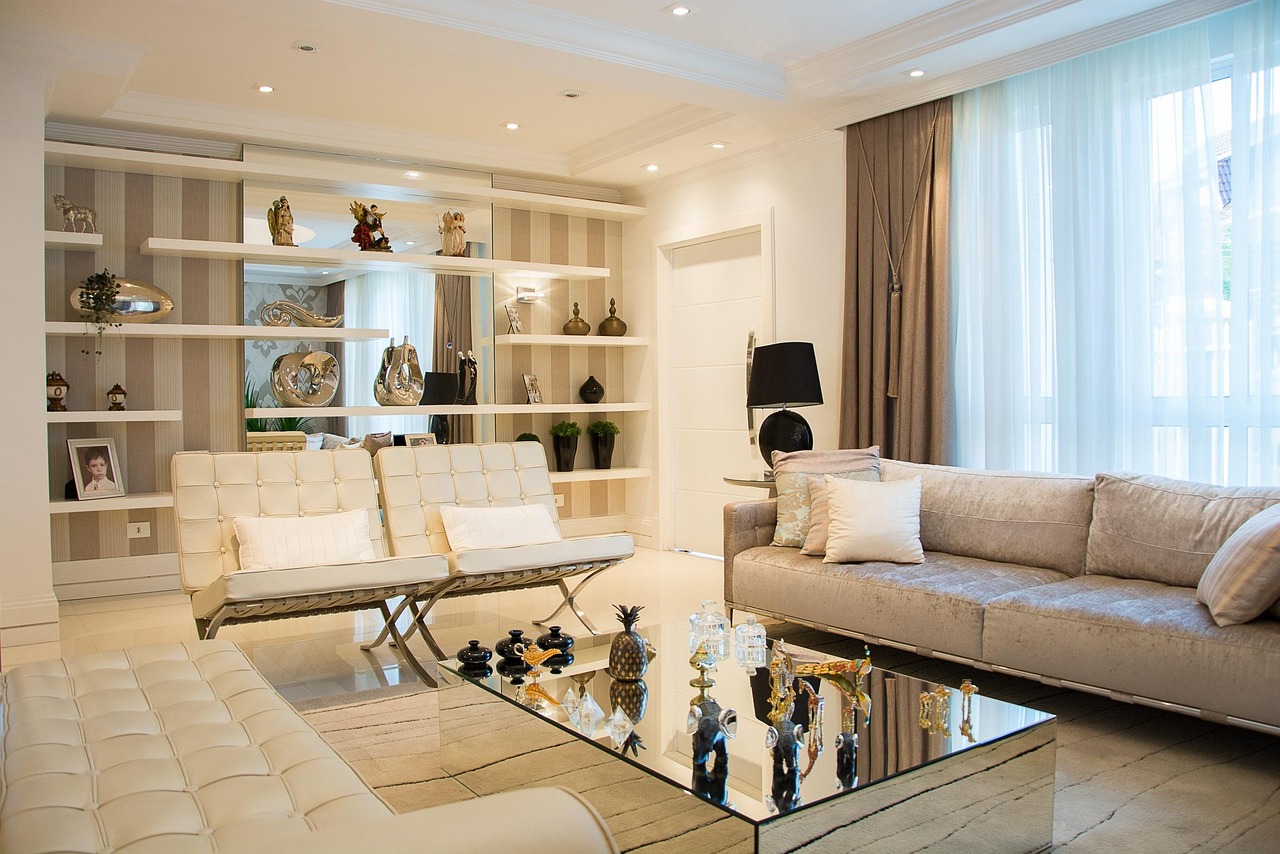
Small-space projects can transform cramped quarters into functional, beautiful environments when properly planned and executed with a clear timeline.

Whether you’re renovating a studio apartment, designing a tiny home, or maximizing a compact office, having a structured approach makes all the difference. This comprehensive guide will walk you through every phase of your small-space project, providing actionable timelines and expert strategies to ensure your transformation delivers stunning results without overwhelming stress or budget overruns.
🏠 Understanding Your Small-Space Project Scope
Before diving into hammers and paint swatches, you need a crystal-clear understanding of what your project entails. Small-space projects differ significantly from larger renovations because every square inch matters, and mistakes become glaringly obvious in compact environments.
Start by documenting your current space thoroughly. Take measurements of every wall, window, door, and architectural feature. Photograph the space from multiple angles and note any structural limitations like low ceilings, awkward corners, or plumbing locations that can’t be moved.
Define your primary goals clearly. Are you seeking more storage? Better lighting? A complete aesthetic overhaul? Multi-functional spaces? Your answers will shape every decision moving forward and help you prioritize when budget or time constraints force compromises.
Setting Realistic Expectations and Budgets 💰
Small doesn’t automatically mean inexpensive. Per-square-foot costs for small-space renovations often exceed larger projects because you’re still paying for professional expertise, permits, and quality materials, just in a condensed area.
Allocate your budget using the following breakdown as a guideline:
- Planning and design: 10-15% of total budget
- Materials and fixtures: 40-50% of total budget
- Labor and installation: 30-40% of total budget
- Contingency fund: 10-15% for unexpected issues
Timeline expectations should account for your project’s complexity. A simple cosmetic refresh might take 2-4 weeks, while structural changes involving plumbing or electrical work could extend to 8-12 weeks or longer.
📋 Phase One: The Planning Stage (Weeks 1-3)
This foundation phase determines your project’s ultimate success. Rushing through planning leads to costly mistakes and disappointing results, especially in small spaces where poor decisions can’t be hidden.
Week 1: Vision Development and Inspiration Gathering
Create a digital or physical mood board compiling images, colors, textures, and furniture pieces that resonate with your vision. Focus specifically on small-space solutions rather than grand designs that won’t translate to your reality.
Research space-saving innovations like Murphy beds, fold-down desks, ceiling-mounted storage, and multi-purpose furniture. The small-space design community has exploded with creative solutions that might not have existed even a few years ago.
Measure everything twice and create accurate floor plans. Numerous apps can help with this process, allowing you to experiment with layouts virtually before committing to physical changes.
Week 2: Functional Planning and Problem-Solving
Map out traffic patterns and daily routines. In small spaces, awkward furniture placement or poor flow creates constant frustration. Walk through your typical day mentally and physically, noting where bottlenecks or inefficiencies occur.
Identify storage needs category by category. List what you need to store, from clothing and kitchen items to office supplies and hobby equipment. This inventory reveals whether your space can realistically accommodate your lifestyle or if you need to declutter first.
Consider lighting strategically. Small spaces desperately need good lighting to feel open and inviting. Plan for layered lighting with ambient, task, and accent options rather than relying on a single overhead fixture.
Week 3: Professional Consultations and Permits
Even DIY enthusiasts benefit from professional input during planning. A few hours with an interior designer or contractor experienced in small spaces can save thousands in mistakes.
Determine what permits your project requires. Cosmetic changes typically need none, but anything involving electrical, plumbing, structural walls, or ventilation likely requires approval. Factor permit processing time into your timeline—it varies dramatically by location.
Finalize your design plans with detailed specifications. Vague plans lead to miscommunication and errors. Document everything: paint colors with specific codes, exact product models for fixtures, precise measurements for custom elements.
🛠️ Phase Two: Preparation and Demolition (Weeks 4-5)
Proper preparation prevents the chaos that derails projects and explodes budgets. This phase requires patience but pays dividends throughout the remaining timeline.
Creating a Temporary Living Strategy
Small-space projects often mean living in construction zones or temporarily relocating. Decide early whether you’ll stay or go, as this affects your timeline and approach.
If staying, designate one area as a “clean zone” with essentials. Seal it from dust with plastic sheeting. Set up a makeshift kitchen with microwave, kettle, and basic supplies. Living through renovations tests patience, but good preparation makes it manageable.
If leaving, arrange accommodations and storage for belongings removed from the space. Factor these costs into your budget—they’re easy to overlook but add up quickly.
Demolition and Removal Work
Strip the space methodically, working from top to bottom. Remove light fixtures, then wall treatments, then flooring if replacing it. Label everything you’re keeping for reinstallation, especially if custom or discontinued.
Address any discovered issues immediately. Hidden mold, pest damage, outdated wiring, or plumbing problems become apparent during demolition. Ignoring them creates bigger headaches later.
Rent appropriate dumpsters or arrange debris removal before starting. Construction waste accumulates faster than expected, and storing it in already-tight quarters creates hazardous conditions.
🔨 Phase Three: Core Construction (Weeks 6-8)
This phase involves the heavy lifting—literally and figuratively. Structural changes, major installations, and systems work happen now, following a specific sequence to prevent redoing completed work.
The Sacred Order of Construction
Professional contractors follow established sequences for good reason. The typical order prevents complications:
- Structural modifications (removing or adding walls)
- Rough plumbing and electrical (behind walls)
- HVAC and ventilation work
- Insulation installation
- Drywall or wall finishing
- Flooring installation
- Trim and millwork
- Fixture installation
- Final finishes and details
Deviating from this sequence causes problems. Installing flooring before plumbing work risks damaging new floors when plumbers need access. Finishing walls before electrical inspections might require reopening them if issues arise.
Maximizing Small-Space Construction Efficiency ⚡
Coordinate subcontractors carefully. In small spaces, multiple trades working simultaneously creates dangerous crowding. Stagger schedules so plumbers finish before electricians arrive, allowing each trade adequate working room.
Protect completed work vigilantly. In compact areas, it’s nearly impossible to avoid bumping into finished surfaces. Cover completed flooring with protective materials. Shield new fixtures with cardboard or bubble wrap until installation completes.
Maintain ventilation during construction. Small spaces fill with fumes, dust, and odors quickly. Rent air scrubbers if working with particularly noxious materials. Your health isn’t worth compromising to save a few dollars.
🎨 Phase Four: Finishing and Personalization (Weeks 9-10)
As construction concludes, your space begins its transformation from construction site to livable environment. This rewarding phase requires attention to detail and patience as numerous small tasks coalesce into the finished product.
Painting and Wall Treatments
Paint dramatically affects perceived space size. Light, neutral colors expand small rooms visually, while dark colors create cozy intimacy but may feel cramped. Test paint samples extensively before committing—colors look different at various times of day and under different lighting.
Consider accent walls strategically. In small spaces, too much pattern or bold color overwhelms, but a single feature wall adds personality without chaos. Horizontal stripes widen rooms visually, while vertical patterns raise perceived ceiling height.
Quality paint makes a difference. Cheap paint requires additional coats, wasting time and negating cost savings. Premium paints with better coverage and durability serve small spaces better because walls endure more contact in tight quarters.
Installing Custom Storage Solutions
Custom storage maximizes every awkward corner and vertical inch. Floor-to-ceiling shelving, built-in cabinetry, and under-utilized spaces like above doorways become valuable real estate.
Prioritize vertical storage over horizontal. Looking upward is less claustrophobic than navigating around low furniture and storage units. Install floating shelves, tall narrow cabinets, and hanging organizers.
Hidden storage preserves clean aesthetics. Ottoman storage, bed platforms with drawers, and wall-mounted fold-down furniture provide functionality without visual clutter that makes small spaces feel chaotic.
✨ Phase Five: Final Details and Styling (Weeks 11-12)
The difference between good and stunning lies in thoughtful final touches. This phase transforms functional spaces into beautiful, personalized environments that exceed expectations.
Lighting Installation and Ambiance Creation
Layer your lighting thoughtfully. Overhead lighting alone creates harsh, unflattering environments. Add task lighting where you work or read, accent lighting highlighting artwork or architectural features, and ambient lighting creating warmth.
Install dimmer switches wherever possible. They’re inexpensive but transform spaces by allowing mood adjustment. Bright lighting energizes during productive hours, while dimmed lighting relaxes during downtime.
Consider smart lighting systems. They offer tremendous flexibility in small spaces where traditional lamps consume precious floor space. Voice-controlled or app-controlled lighting eliminates the need for multiple switches and physical controls.
Furniture Selection and Placement 🛋️
Choose appropriately scaled furniture. Oversized pieces overwhelm small rooms, while too-small furniture looks sparse and awkward. Measure carefully and, when possible, use painter’s tape on floors to visualize furniture footprints before purchasing.
Embrace multi-functional pieces. Dining tables doubling as workspaces, sofas converting to guest beds, and ottomans providing storage maximize utility without crowding.
Create visual breathing room. Furniture with exposed legs appears lighter than solid pieces touching the floor. Glass or lucite elements provide functionality while maintaining visual openness.
Decorative Elements and Personal Touches
Curate decorations carefully. Small spaces can’t absorb clutter, so each decorative element should earn its place. Choose meaningful items rather than filling every surface.
Use mirrors strategically to amplify light and create depth illusions. Large mirrors opposite windows reflect natural light throughout spaces. Mirrored furniture or backsplashes serve dual functions.
Incorporate plants for life and freshness. They improve air quality and add natural beauty without requiring much space. Hanging planters and wall-mounted options work particularly well in compact areas.
📊 Timeline Comparison: Project Complexity
| Project Type | Timeline | Key Challenges | Budget Range |
|---|---|---|---|
| Cosmetic Refresh | 2-4 weeks | Color coordination, styling | $2,000-$8,000 |
| Kitchen/Bath Update | 6-10 weeks | Plumbing, permits, fixtures | $8,000-$25,000 |
| Complete Renovation | 10-16 weeks | Structural work, systems | $20,000-$60,000+ |
| Tiny Home Build | 12-20 weeks | Everything from scratch | $30,000-$100,000+ |
🎯 Staying On Track: Project Management Tips
Even the best-laid timelines derail without active management. Implement systems keeping your project moving forward efficiently.
Documentation and Communication
Maintain a detailed project journal documenting decisions, expenses, contractor communications, and daily progress. This record proves invaluable when questions arise weeks later about why certain choices were made.
Photograph everything before, during, and after work. These images document conditions, provide proof of completed work, and create memories of your transformation journey.
Communicate regularly with contractors and subcontractors. Weekly check-ins prevent misunderstandings and catch issues before they become expensive problems. Be available for questions—your responsiveness directly affects timeline adherence.
Managing the Inevitable Setbacks
Expect delays and complications. Perfect projects exist only in imagination. Materials arrive damaged, hidden problems emerge, subcontractors fall ill, or weather delays deliveries. Build buffer time into your timeline rather than scheduling everything back-to-back.
Stay flexible with design details. That perfect light fixture might be backordered indefinitely. Have backup options identified so substitutions don’t paralyze progress.
Maintain your contingency budget untouched until genuinely needed. The temptation to upgrade finishes or add features drains reserves quickly, leaving nothing for actual emergencies.

🌟 Bringing Your Vision to Life
As your timeline reaches completion, stepping into your transformed small space delivers incredible satisfaction. All the planning, patience, and perseverance culminates in an environment perfectly suited to your needs and aesthetic preferences.
The structured approach outlined here—from comprehensive planning through methodical execution to thoughtful finishing—ensures your small-space project achieves professional-quality results regardless of your experience level. By respecting the process and following proven sequences, you avoid common pitfalls that plague rushed or poorly planned renovations.
Remember that beautiful, functional small spaces aren’t accidents. They’re the products of intentional design, careful planning, and disciplined execution. Your timeline serves as both roadmap and accountability tool, keeping you focused on the ultimate goal even when daily challenges tempt shortcuts or deviations.
Small-space living continues growing in popularity as urban density increases and people embrace minimalism. Your successfully executed project not only enhances your daily life but potentially increases your property value significantly. Buyers and renters prize well-designed compact spaces that maximize functionality without sacrificing style.
Take pride in your accomplishment, but also recognize that truly great spaces evolve over time. Live in your transformed space for weeks or months before declaring it completely finished. You’ll discover minor adjustments that enhance functionality or aesthetics based on actual usage patterns rather than imagined ones.
Small-space mastery combines art and science, creativity and pragmatism, vision and execution. With your detailed timeline guide and commitment to the process, you’re equipped to create something truly special—a compact environment that lives far larger than its square footage suggests and brings joy every single day. 🏡✨