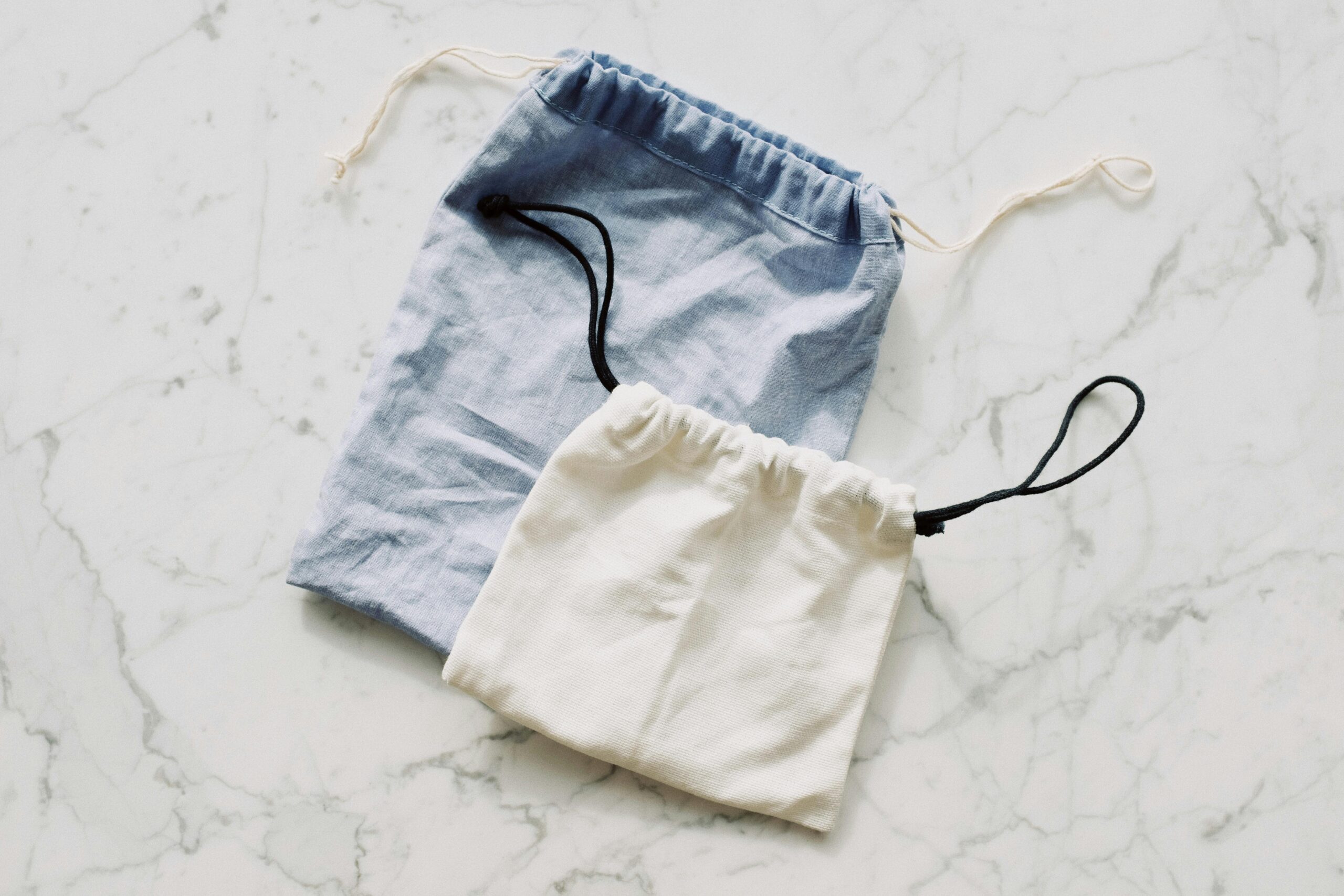
Every day, countless items are discarded that still hold incredible potential for transformation. What if you could see treasure where others see trash, turning ordinary waste into extraordinary creations?

Upcycling has evolved from a niche hobby into a powerful movement that combines creativity, sustainability, and practicality. This comprehensive guide will equip you with the vision and skills needed to identify hidden opportunities in everyday materials and transform them into functional, beautiful pieces that reduce waste while adding value to your life.
🔍 Understanding the Upcycling Mindset: Seeing Beyond the Surface
The journey to becoming an expert upcycler begins with fundamentally changing how you perceive objects around you. Rather than viewing items through their original purpose, successful upcyclers develop what’s known as “material intelligence” – the ability to recognize potential in unexpected places.
This transformative perspective requires training your eye to see beyond current function and condition. That worn wooden ladder isn’t just broken; it’s a potential bookshelf or plant stand. Those glass jars aren’t merely empty containers; they’re future pendant lights or storage solutions waiting to happen.
Developing Your Creative Vision
Start by questioning every item before it reaches the trash bin. Ask yourself: What materials comprise this object? What structural integrity remains? Could its shape, texture, or color serve a different purpose? These simple questions unlock endless possibilities.
Practice observational exercises regularly. Spend time examining items in thrift stores, on curbsides, or in your own home. Notice patterns, textures, and connections between disparate objects. This mental training strengthens your ability to spot upcycling opportunities instinctively.
🏠 Prime Hunting Grounds: Where to Find Upcycling Gold
Knowing where to look dramatically increases your success in finding quality materials for transformation. The most prolific upcyclers develop strategic sourcing habits that keep their creative pipelines flowing.
Your Own Home: The First Frontier
Before seeking external sources, explore your immediate environment thoroughly. Attics, basements, garages, and storage units often harbor forgotten treasures. Old furniture pieces, broken appliances, outdated décor, and worn textiles all represent starting points for remarkable transformations.
Conduct regular household audits with fresh eyes. That drawer full of mismatched buttons could become unique artwork. Those outgrown jeans might transform into a stylish tote bag. Your cracked ceramic dishes could become beautiful mosaic stepping stones.
Community Resources and Hidden Gems
Expand your search radius strategically. Thrift stores, garage sales, and estate sales offer incredible inventory at minimal cost. Many sellers simply want items gone, creating negotiation opportunities. Visit consistently, as inventory changes frequently and timing matters.
Curbside finds during bulk trash collection periods yield substantial results. Neighborhoods with older homes often discard quality wooden furniture or vintage fixtures that merely need refreshing. Always respect property and local regulations when salvaging discarded items.
Online marketplaces and community groups provide virtual treasure hunts. Platforms dedicated to free stuff, buy-nothing groups, and classified sections frequently list items people want removed quickly, sometimes even offering free pickup assistance.
🎯 Material Categories: What to Look For and Why
Understanding material properties helps identify which items offer the greatest upcycling potential. Different materials present unique opportunities and challenges worth considering before collection.
Wood: The Versatile Champion
Wooden items rank among the most valuable upcycling materials due to their durability, workability, and timeless appeal. Pallets, old furniture, shipping crates, and architectural salvage pieces all offer excellent starting points.
Look for solid wood rather than particleboard when possible, as it handles refinishing better and offers greater structural integrity. Minor damage like scratches, stains, or loose joints shouldn’t deter you – these issues are typically easily resolved.
Glass and Ceramics: Fragile Beauty
Glass containers, bottles, jars, and vases provide endless creative possibilities. Their transparency creates unique lighting effects, while their shapes serve countless organizational and decorative functions. Chipped or broken ceramics become raw materials for mosaic projects.
Consider weight, color, and shape when evaluating glass items. Clear glass offers versatility through painting or etching, while colored glass adds instant character to projects without additional treatment.
Textiles: Soft Transformation
Fabric scraps, worn clothing, outdated linens, and damaged curtains shouldn’t reach landfills prematurely. Textile upcycling reduces environmental impact significantly while creating personalized, unique items impossible to purchase new.
Evaluate fabric quality, pattern, and condition. Natural fibers generally work better than synthetics for most projects. Even severely damaged textiles offer usable sections or can be transformed into rag rugs, quilts, or stuffing materials.
Metal: Industrial Strength and Character
Metal objects bring industrial aesthetics and remarkable durability to upcycling projects. Old tools, pipes, automotive parts, kitchen implements, and hardware components all transform into striking functional art and furniture.
Check for rust severity and structural soundness. Surface rust often adds character and can be stabilized, while deep corrosion might compromise structural integrity. Brass, copper, and stainless steel offer particular value due to their appearance and durability.
✨ Spotting Specific Opportunities: Real-World Examples
Theory becomes practical through specific examples that demonstrate how common discarded items transform into valuable pieces. These examples train your eye to recognize similar opportunities.
Furniture with Hidden Potential
That scratched wooden dresser could become a stunning bathroom vanity with new hardware and a vessel sink. Old doors transform into headboards, table tops, or room dividers. Broken chairs become plant stands, shelving units, or decorative wall art when creatively reimagined.
Look past superficial damage to assess bone structure. Solid construction and interesting proportions matter more than surface condition. Even pieces with missing parts often provide salvageable components for other projects.
Containers Reimagined
Tin cans become hanging planters, desk organizers, or luminaries with simple modifications. Wine bottles transform into elegant vases, candle holders, or building materials for decorative walls. Plastic containers serve as starting points for embellished storage solutions.
The key lies in seeing shape and form rather than original purpose. A large coffee can and a smaller tin become a two-tier planter. Glass jars of various sizes create customized spice racks or bathroom storage systems.
Hardware and Components
Drawer pulls, hinges, doorknobs, and other hardware pieces often outlast their original furniture. These components become jewelry, coat hooks, cabinet updates, or sculptural elements. Collect interesting hardware whenever you disassemble pieces, even if you lack immediate plans.
Vintage hardware particularly adds character and value to projects. Brass, glass, and ceramic knobs from outdated furniture elevate modern upcycling creations with authentic period details impossible to replicate affordably.
🛠️ Essential Assessment Skills: Knowing What’s Worth Your Time
Not every discarded item deserves rescue. Developing discernment prevents cluttering your space with materials that will never transform into anything useful. Strategic selection maximizes your creative output while minimizing storage challenges.
The Condition Evaluation Process
Assess structural integrity first. Can it be cleaned, repaired, or stabilized reasonably? Cosmetic issues rarely disqualify items, but fundamental structural problems might exceed worthwhile repair efforts unless you possess advanced skills and equipment.
Consider effort versus outcome realistically. Some projects require minimal intervention for maximum impact, while others demand extensive work for modest results. Balance your skill level, available time, and desired outcome when making collection decisions.
Size and Storage Considerations
Physical limitations matter significantly. Large items require storage space and transportation capability. Unless you have immediate plans and necessary space, passing on oversized pieces prevents accumulation that overwhelms your working area.
Implement a one-in-one-out policy if space limits your collecting. Before acquiring new materials, complete a project using existing inventory. This discipline keeps collections manageable while maintaining creative momentum.
📱 Digital Tools and Resources for Modern Upcyclers
Technology enhances upcycling success through inspiration, instruction, and community connection. Various platforms and applications support your creative journey from material identification through project completion.
Inspiration and Tutorial Platforms
Visual platforms like Pinterest and Instagram provide endless project ideas searchable by material type, skill level, or desired outcome. Following successful upcyclers exposes you to techniques and possibilities you might never discover independently.
Video tutorials on YouTube offer step-by-step guidance for specific techniques. Search for your material type plus “upcycling” to find relevant projects. Many creators share detailed processes including tool requirements, common mistakes, and finishing techniques.
Community and Marketplace Apps
Local community apps help source materials while building connections with like-minded creators. Many neighborhoods maintain active sharing economies through dedicated platforms where members offer unwanted items to others who can use them.
Facebook Marketplace and similar platforms let you search locally for free or inexpensive materials. Set up saved searches with keywords like “free,” “curb alert,” or specific material types to receive notifications about new listings matching your interests.
💡 Training Your Creative Problem-Solving Skills
Successful upcycling requires creative problem-solving that goes beyond following tutorials. Developing this skill set enables you to tackle unique challenges and create truly original pieces rather than simply copying existing projects.
The Reverse Engineering Approach
When you see an item you admire, whether in stores or online, analyze how it’s constructed. What materials were used? What techniques joined components? Could you achieve similar results using upcycled materials? This analytical practice strengthens your ability to conceptualize original projects.
Keep a dedicated notebook or digital file for reverse-engineered insights. Sketch basic construction details, note material substitutions, and record questions to research later. These observations become valuable references when planning future projects.
Experimentation Without Fear
Not every project will succeed perfectly, and that’s acceptable. View failures as learning opportunities that reveal material properties and technique limitations. Some of the most innovative upcycling solutions emerged from unexpected results during experimental processes.
Start small when testing new techniques or unfamiliar materials. Practice on less significant pieces before attempting ambitious projects with materials you struggled to acquire. This measured approach builds confidence while minimizing frustration.
🌱 Environmental Impact: Understanding Your Contribution
Beyond personal satisfaction and financial savings, upcycling delivers meaningful environmental benefits. Understanding this impact often motivates continued practice during challenging projects or creative blocks.
The Real Cost of Waste
Every item you upcycle represents resources saved – the materials, energy, and labor required to manufacture new products. Furniture manufacturing alone consumes enormous resources and often involves toxic finishing processes that harm ecosystems.
Textiles rank among the most environmentally costly products when new materials are compared to upcycled alternatives. The water consumption, chemical treatments, and transportation involved in fabric production make textile upcycling particularly impactful environmentally.
Multiplying Your Impact
Sharing your upcycling journey inspires others to adopt similar practices, exponentially increasing positive environmental effects. Document your projects through photos, blogs, or social media. When friends admire your creations, explain their origins and the process involved.
Consider teaching workshops or hosting craft swaps where participants bring unwanted items to exchange. These community events spread upcycling skills while building supportive networks of creative reusers.
🎨 Developing Your Personal Style
As your skills grow, a distinctive aesthetic naturally emerges. Nurturing this personal style differentiates your work and increases satisfaction with completed projects that truly reflect your vision.
Identifying Your Aesthetic Preferences
Review projects you’ve completed or admired. Notice patterns in color choices, material preferences, and functional versus decorative balance. These patterns reveal your inherent style, which you can consciously develop further.
Create mood boards combining images that resonate aesthetically, regardless of whether they’re upcycling projects. Include architecture, fashion, nature, and art that appeal to you. Common threads across these diverse sources inform your unique creative voice.
Balancing Trends and Timelessness
While staying aware of current design trends provides market insight if you sell creations, prioritize timeless appeal in pieces for personal use. Trend-driven projects risk appearing dated quickly, while classic approaches remain satisfying long-term.
Focus on quality craftsmanship and functional excellence rather than trendy finishes or colors. Well-constructed pieces accept style updates through simple modifications like new hardware or paint colors without requiring complete reconstruction.
🚀 Turning Passion into Possibility: Monetizing Your Skills
Many successful upcyclers eventually consider selling creations. While not everyone desires to commercialize their hobby, understanding this potential helps make informed decisions about developing your practice.
Testing Market Interest
Before investing heavily in inventory or equipment, test market response through small-scale efforts. Sell pieces through local consignment shops, craft fairs, or online marketplaces. Customer feedback reveals which products resonate most strongly and at what price points.
Document your process thoroughly with quality photos. Even if you don’t sell immediately, this documentation builds a portfolio demonstrating your capabilities and evolution as a creator. Strong portfolios attract custom commission opportunities.
Sustainable Business Practices
If you pursue upcycling commercially, maintain the environmental values that inspired your practice. Avoid over-collecting materials you won’t use or accepting every commission regardless of fit. Sustainable businesses align operations with core values rather than pursuing growth at any cost.
Price work appropriately, accounting for material costs, time investment, and skill level. Underpricing devalues your expertise while making businesses unsustainable long-term. Educate customers about the value of handcrafted, environmentally conscious goods.
🔮 The Future of Upcycling: Growing Trends and Opportunities
Upcycling continues evolving as environmental awareness increases and creative techniques advance. Understanding emerging trends positions you to capitalize on new opportunities while refining your practice.
Technology Meets Tradition
Digital fabrication tools like laser cutters and 3D printers increasingly combine with traditional upcycling. These technologies allow precise modifications to salvaged materials, creating hybrid pieces impossible through hand tools alone. Makerspaces and community workshops provide access to these tools without requiring personal investment.
Smart home integration offers another frontier. Upcycled furniture incorporating charging stations, LED lighting, or other technological features appeals to consumers seeking character with modern functionality.
Collaborative Creation
Community upcycling projects gain momentum globally. Tool libraries, material exchanges, and collaborative workshops make upcycling more accessible while reducing individual resource requirements. These initiatives build community connections while advancing environmental goals collectively.
Corporate upcycling partnerships emerge as businesses recognize sustainability marketing value. Some companies now actively seek artisans to transform waste streams into branded products, creating revenue opportunities for skilled upcyclers.

🎯 Your Action Plan: Getting Started Today
Knowledge without action remains theoretical. Transform these insights into practical experience through deliberate steps that build momentum while preventing overwhelm.
Week One: Observation and Collection
Spend the first week simply observing without committing to projects. Walk through your home, visit thrift stores, and browse online marketplaces with your new perspective. Photograph interesting items, noting what attracts you and why. This observation period trains your eye without cluttering your space.
Week Two: Small Victory Project
Choose one simple project requiring minimal tools and offering quick results. Perhaps paint a small wooden item, convert glass jars into organizers, or transform fabric scraps into coasters. Success builds confidence and motivates continued exploration.
Month One: Skill Development
Dedicate your first month to learning one foundational skill thoroughly. Whether basic carpentry, furniture painting, or textile manipulation, depth in one area provides stronger foundations than superficial knowledge across many techniques. Watch tutorials, practice repeatedly, and accept imperfect results as learning opportunities.
Building Long-Term Habits
Establish sustainable routines rather than sporadic intense efforts. Dedicating even thirty minutes weekly to upcycling maintains momentum. Schedule specific times for material sourcing, project work, and skill development. Consistency outperforms intensity for long-term success.
Join online or local communities where you can share progress, ask questions, and gain inspiration during inevitable creative blocks. Supportive communities sustain motivation through challenging phases while celebrating successes together.
The journey from seeing trash to creating treasure begins with a single shifted perspective. Every master upcycler started exactly where you are now, wondering if that broken item really could become something beautiful. The answer is yes – and your unique vision will transform waste into wonders in ways only you can imagine. Start small, stay curious, and trust the creative process. The planet needs your contribution, and you’ll discover incredible satisfaction in breathing new life into forgotten objects. Your upcycling adventure begins now! ♻️